
Metro Magazine

 MENU
 SEARCHMENUSEARCH
Loading data...

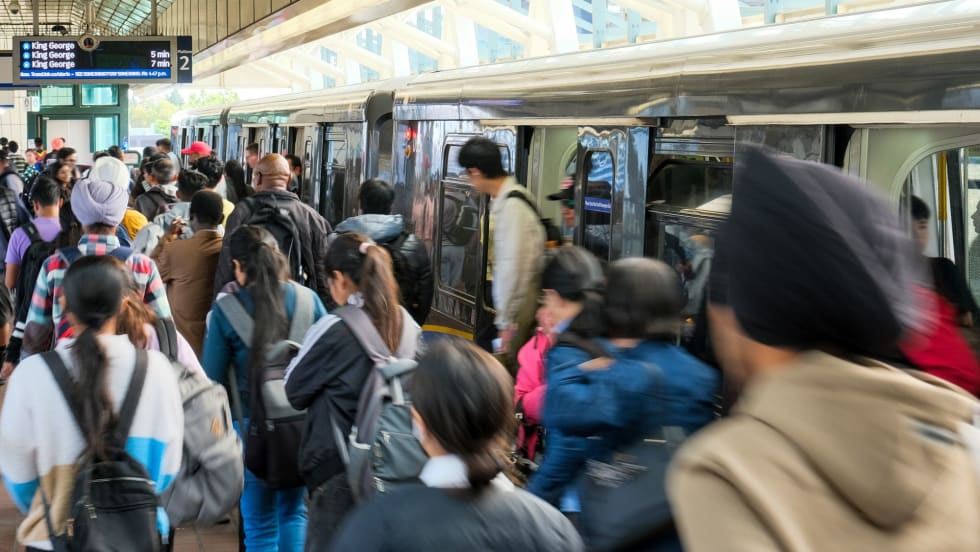
Bad news for transit keeps rolling in. Transit ridership declined in 34 of the 40 largest metropolitan areas over the past three years. While ridership routinely fluctuates in response to economic upturns and downturns and other trends, this decline seems more profound.
Read More →







During 2009 and 2010, Augusta Public Transit averaged about 2,300 individual weekday trips, according to data filed with the Federal Transit Administration. Since June, paratransit ridership is up 2%.
Read More →Recognized as APTA’s Outstanding Public Transportation System Award for an agency with more than four million, fewer than 20 million passenger trips annually, in part due to its partners and employees, according to GM Chuck Kamp.
Read More →Annual public transit ridership, the highest number in 58 years, increased even when gas prices declined by 42.9 cents in the fourth quarter.
Read More →Sunrail is meeting its expected ridership on Thursdays and Fridays, but having issues filling cars Monday through Wednesday.
Read More →Public transit ridership hit pre-pandemic highs in 2024, fueling a $93.4B industry that drives jobs, economic growth, and community access.
Read More →In March alone, ridership was up 10.1% in 2015 compared to March of 2014. Average weekday ridership was up 7% and even greater increases were seen on weekends. The average ridership on Saturdays increased by 10% and on Sundays by 15%.
Read More →The portal features the new Ridership Recovery Dashboard, which shows the ridership and service levels for all of SEPTA’s modes relative to their pre-pandemic baselines.
Read More →The plan will enhance access to new affordable housing developments throughout the region and better serve existing communities where transit ridership is already overcrowded.
Read More →The move adds Hopthru’s ridership data and analytics solutions to Swiftly’s platform, giving agencies powerful ways to access, clean, monitor, and analyze ridership data for NTD reporting, service planning, scheduling, and more.
Read More →