



New tech puts mobile surveillance in the fast lane
APTA pegs annual bus ridership in the U.S. and Canada at around 5.4 billion. It goes without saying that transit agencies strive to keep passengers safe and secure, but with large fleets to manage and millions of annual riders things can and do go wrong. That’s why onboard video surveillance is so essential.

The American Public Transportation Association (APTA) pegs annual bus ridership in the U.S. and Canada at around 5.4 billion. It goes without saying that transit agencies strive to keep passengers safe and secure, but with large fleets to manage and millions of annual riders things can and do go wrong.
That’s why onboard video surveillance is so essential. In addition to deterring crime, video is an invaluable tool for investigating vandalism, fights, robberies and assaults, as well as for refuting costly liability claims from “slip and falls” and other passenger incidents. To put this in perspective, one big city transit operator I’m familiar with conducts 30 to 40 video investigations a day.
Most transit agencies use mobile DVRs to record video on their bus fleets. These systems typically record anywhere from four to 12 analog cameras on a mobile-rated storage device that’s kept onboard the bus. One problem with this approach is that it makes it hard to conduct timely and efficient video investigations. If the transit operator needs to retrieve video for an investigation, they need to literally send an employee out into the field to remove the hard drives or DVRs from the bus.
So, how can transit operators buck the mobile DVR status quo, save time and boost investigative efficiency?
An innovative new video recording and investigation technology for bus fleets may well hold the answer. This type of solution could be implemented on a myriad of ruggedized mobile DVR hardware platforms, allowing video recordings to be remotely and securely downloaded, and delivered right to an investigator’s desktop.
Here’s how it works. Let’s say a passenger is assaulted and robbed on a bus. The bus driver radios the incident into the command center. Back at the command center, the investigator keys in a download task to retrieve the specific video segments. When the bus reaches the depot, the video is securely and wirelessly transferred to a server and then uploaded to a case management file for the investigator to view.
Now let’s take this example one step further. Let’s say that the video shows the suspect leaving the bus with the woman’s purse in hand, but without a clear view of his face. This is where it gets even better. From the same system, the investigator is also able to pull up video recordings from several fixed cameras where the suspect disembarked from the bus and entered a bus station. These recordings clearly show the suspect’s face.
The investigator is then able to drop these recordings into an incident timeline along with the mobile video recordings and relevant voice recordings, append his report to the case file and electronically send the entire contents to appropriate law enforcement authorities. The suspect is identified, arrested and prosecuted in record time.
One thing is certain: Through its ability to streamline and automate investigations, this new technology has the potential to put mobile video surveillance in the fast lane. That’s good news for an industry where budgets are stagnating, but ridership is not. This new technology will enable operators to ensure the highest levels of safety and security while squeezing out every ounce of operational efficiency.
More Blog Posts
Improving Transit Accessibility by Offering Assistive Listening
Did you know that there are literally tens of millions of people worldwide with hearing loss, many of whom will use some form of public transit at some point?
Read More →
35 Years of the ADA, Making Travel Easier for Seniors
Thirty-five years after the passage of the Americans with Disabilities Act of 1990 (ADA), the impact of this landmark piece of civil rights legislation cannot be overstated.
Read More →
Driving Performance with Purpose: How I Lead One of Greyhound’s Top Teams
Safety, on-time performance, and customer experience are critical elements in intercity bus operations. But getting them right doesn’t come down to plans or protocols alone. It comes down to execution. How well your team performs on the ground, in real time, is what defines success.
Read More →
Navigating Emerging Privacy Laws: A Call to Action for Service Providers in Mass Transit
With Data Privacy Day Jan. 28, I want to spotlight a critical challenge faced by service providers in the mass transit sector: managing personal information responsibly in an era of rapidly evolving privacy regulations.
Read More →
Human Trafficking Awareness: What Public Transportation Can Do?
January is National Slavery and Human Trafficking Prevention Month in the U.S., and January 11 is National Human Trafficking Awareness Day.
Read More →
Want to Improve Transit Safety and Operations? Break Down the Silos
Retrieving and reviewing data and video can be a cumbersome process for fleet managers. Each system or tool provides a piece of the puzzle, but seeing the complete picture requires tedious manual synchronization.
Read More →
Ensuring Public Transit Cybersecurity Through Robust Protective Measures
In today’s highly connected world, cybersecurity is of utmost importance, particularly for transportation agencies overseeing transit bus systems that rely increasingly on sophisticated technologies, including the use of data analytics in traffic signal networks, to manage and operate their systems.
Read More →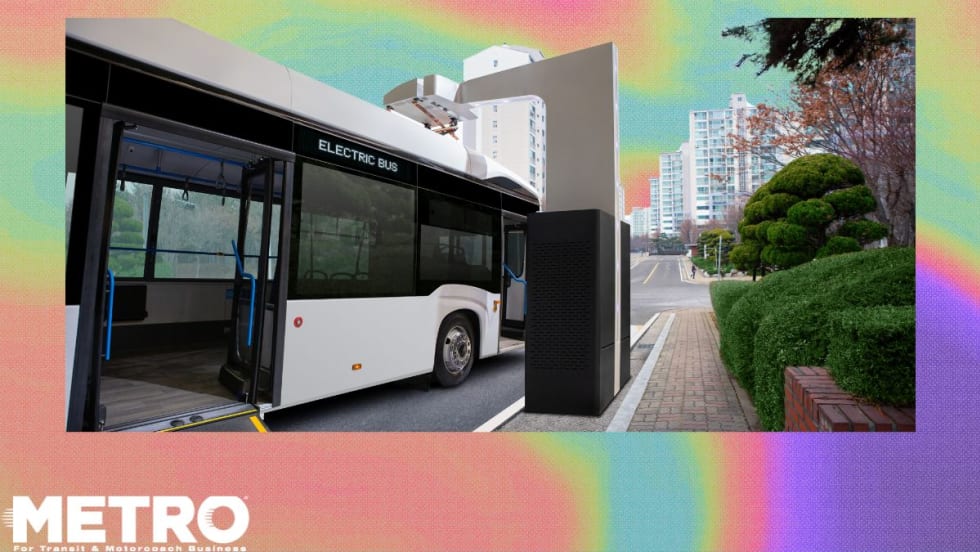
How Advances in Thermal Management Revolutionize Urban Mobility
In the daily hustle and bustle of city life, transit buses serve as the backbone of urban transportation, allowing millions of city dwellers to get from point A to point B each day reliably.
Read More →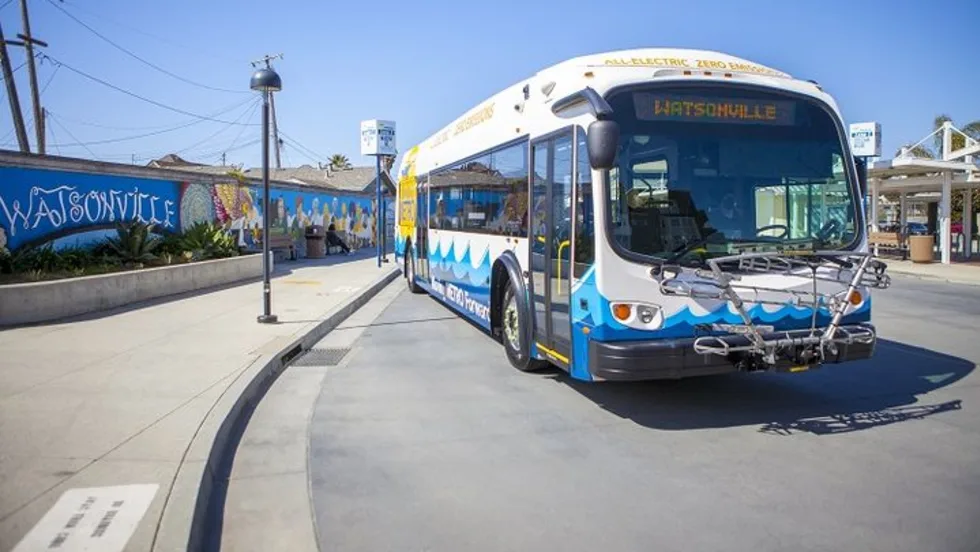
The Evolution of Bus Design
Thirty years ago, drivers not only had to drive the bus and navigate heavy traffic, but they were also responsible for tasks like supervising passenger loading and unloading, selling tickets, and providing passengers with various kinds of information, all while sitting in an often ill-fitting workstation.
Read More →
What 'Transit Safety 101' Really Means
Safety, Safety, Safety. This word is used repeatedly, and in many contexts, without most people understanding what it actually means.
Read More →