
Metro Magazine

 MENU
 SEARCHMENUSEARCH
Loading data...

Nine industry experts weigh in on key transportation topics. Whether it is maintaining and growing ridership on public transportation or taking advantage of new project delivery methods, many believe it is important to embrace today’s more modern approach to living, working and playing.
Read More →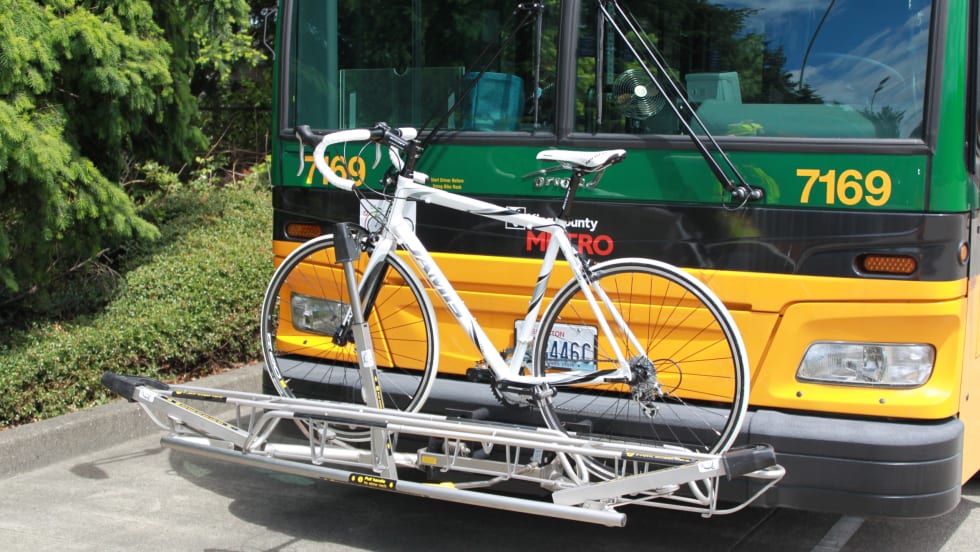




No other form of commuting to work has seen the same level of growth as biking has over the past decade. To help public transportation agencies deal with that growth, suppliers have been able to add more bike positions on racks and create furniture and storage solutions at rail stations and transit malls.
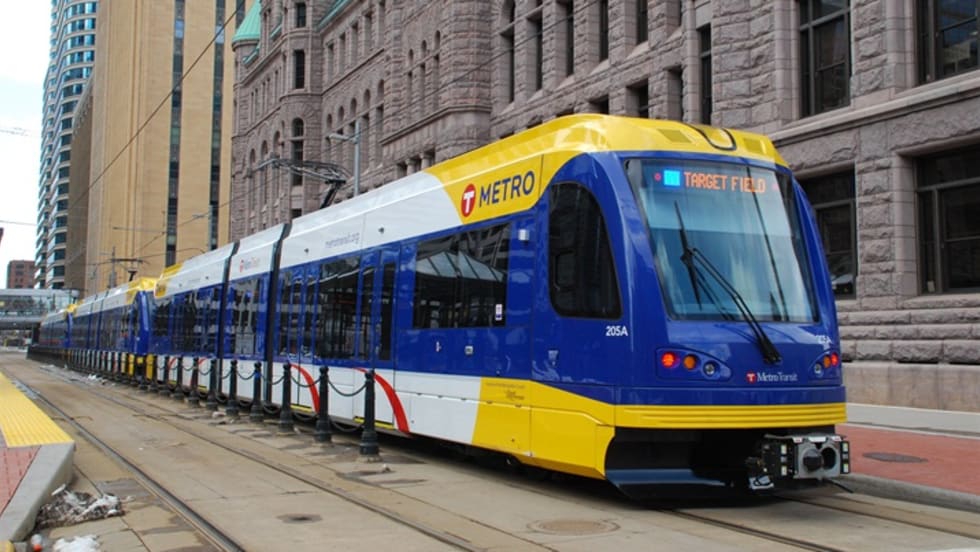
Read More →The 6.6-mile Expo Line will improve transportation mobility along the corridor, provide an alternative to the heavily-congested I-10 freeway and east-west arterials, and increase the capacity of the transportation system in Los Angeles County.
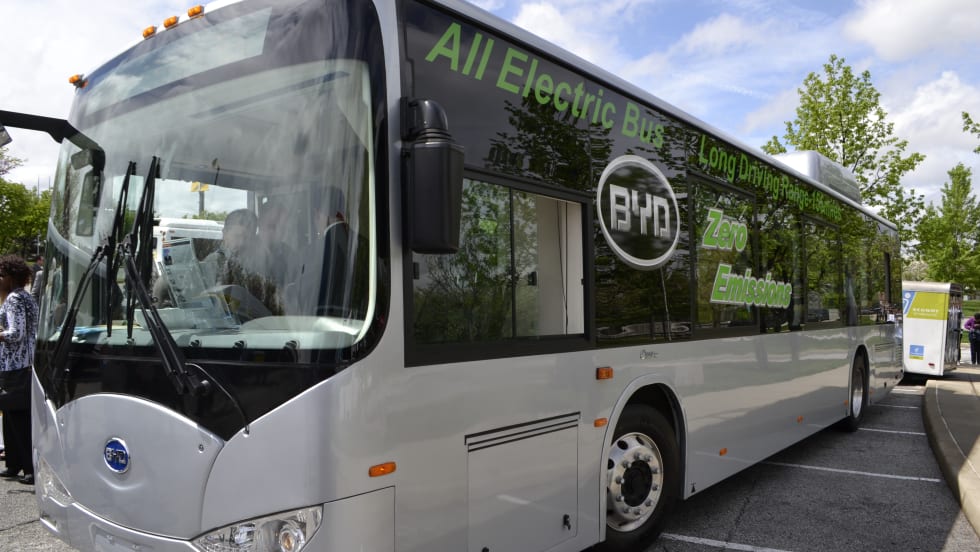
Read More →Richland, Wash.-based Ben Franklin Transit was awarded a CALSTART grant to work with company to develop an all-electric remanufactured transit bus that has the capability of going more than 100 miles.
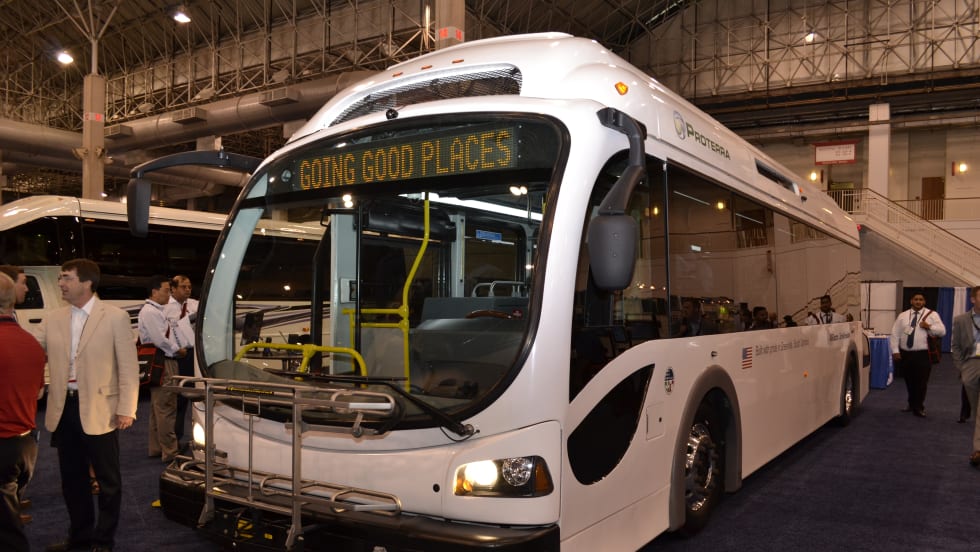
Read More →The 35 buses will enter service in July of 2014 and replace an ageing fleet of conventionally powered buses.
Read More →To deliver three new EcoRide zero-emission transit buses and a charging station to the Tallahassee, Fla.-based agency per an FTA grant.
Read More →Depending on the level of achievement, organizations were presented Gold, Silver and Bronze level certifications by APTA Chair Peter Varga at the APTA Sustainability and Public Transportation Workshop, which is being held at the Omni Parker House Hotel in Boston.
Read More →Tri Delta provides public transportation in a 225-square-mile area that includes four cities in Contra Costa County, Calif.
Read More →The AFCB configuration utilizes Ballard's FCvelocity®-HD6 fuel cell module to provide primary power, in combination with BAE Systems' HybriDrive® propulsion and power management systems deployed in an ElDorado National 40-foot (12-meter) Axes model, heavy-duty transit bus.
Read More →The key component of the program is a zonal pricing system that charges students, faculty and staff more to park closer to the campus core and less to park further away and shuttle in.
Read More →