
Metro Magazine

 MENU
MENU SEARCHMENUSEARCH
Loading data...
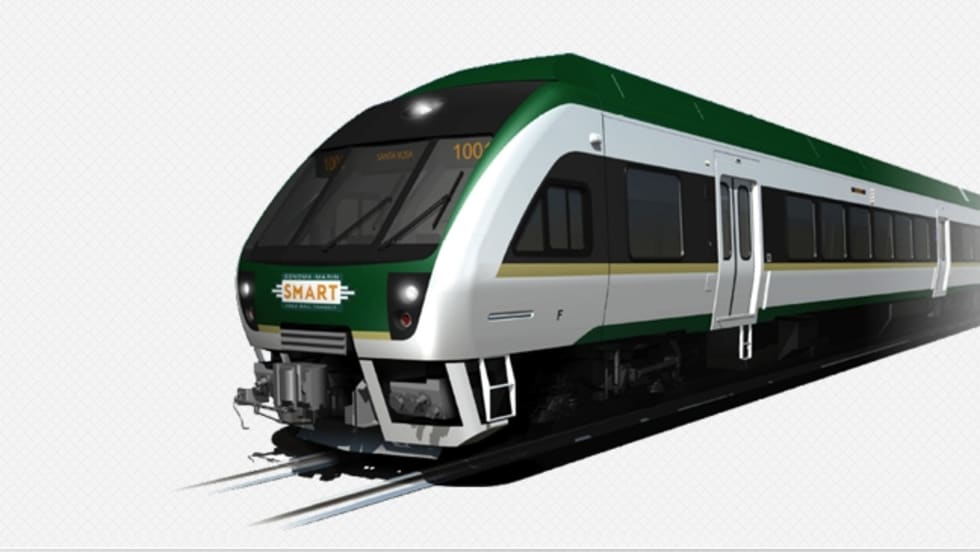
Farhad Mansourian, GM of SMART, the commuter rail system currently under construction, discusses the status of the project, rider experience comparisons, proposals for connections and, system expansion and cost savings.
Read More →

The Sonoma-Marin Area Rail Transit District will replace several railroad crossings during January and February.
Read More →If the additional cars are ordered by the end of the year, they can be purchased at the current price. However, bicycle advocates have criticized the plan because it would take away funds from other projects like bike lanes and sidewalk improvements.
Read More →On hand to present the awards was past President of the MSBMA and President of Champion Bus John Resnik. Chicago area-based Pace Suburban Bus was the top agency, with more than 1,400 vehicles.
Read More →A project design report notes "the use of concrete ties resulted in estimated track costs from 10% to 15% lower than the use of timber ties using conventional track construction methods. If a mechanized track laying system were to be employed, costs could be as much as 40% lower."
Read More →Five transportation advocates launched a three-day tour of Michigan by public transit to draw attention to what's working and what isn’t in the state's system.
Read More →Representatives from transit agencies in other major cities shared how rapid transit buses helped them improve service, increase ridership and attract redevelopment. Creating a regional agency to operate the system would force coordination and efficiency on overlapping city and suburban bus providers.
Read More →One Southern California city’s transit system celebrates 35 years of operations and its many successes. Meanwhile, a city in the Midwest is so strapped it can’t even get half its buses to destinations on time. Which is more representative of public transportation’s current reality in the U.S.?
Read More →Agency used ARRA funds to purchase the buses. Manufactured by Gillig, the hybrid-electric vehicles are 40 percent more fuel efficient.
Read More →After nine months of negotiations, the agency and unions representing more than 800 of its employees failed to reach agreements. Agency’s loss in revenue from local property taxes, farebox proceeds, and state and federal funding also prompted the cuts.
Read More →