
Metro Magazine

 MENU
MENU SEARCHMENUSEARCH
Loading data...
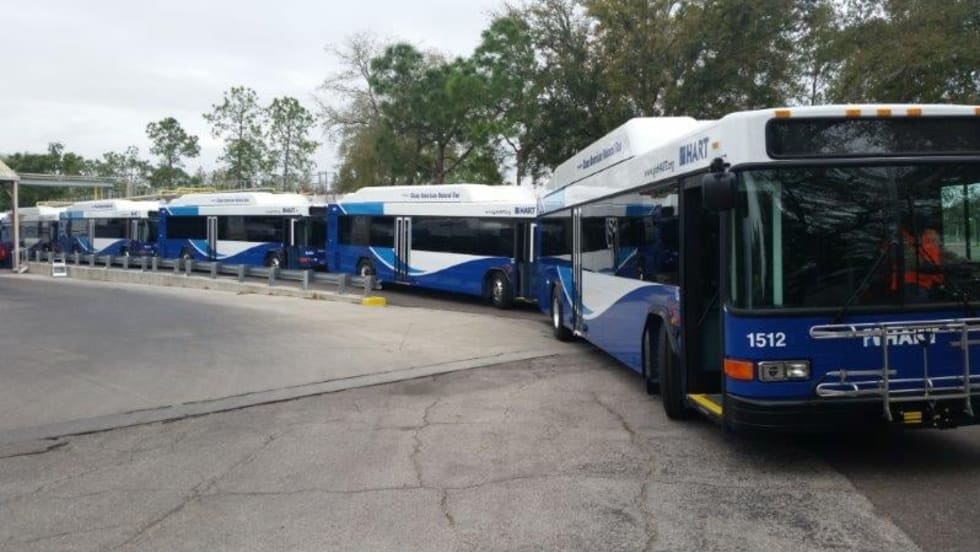
The heavy-duty, low-floor buses, part of the agency's continuing commitment to improve air quality in the Tampa Bay area, were built by Hayward, Calif.-based bus manufacturer, Gillig.
Read More →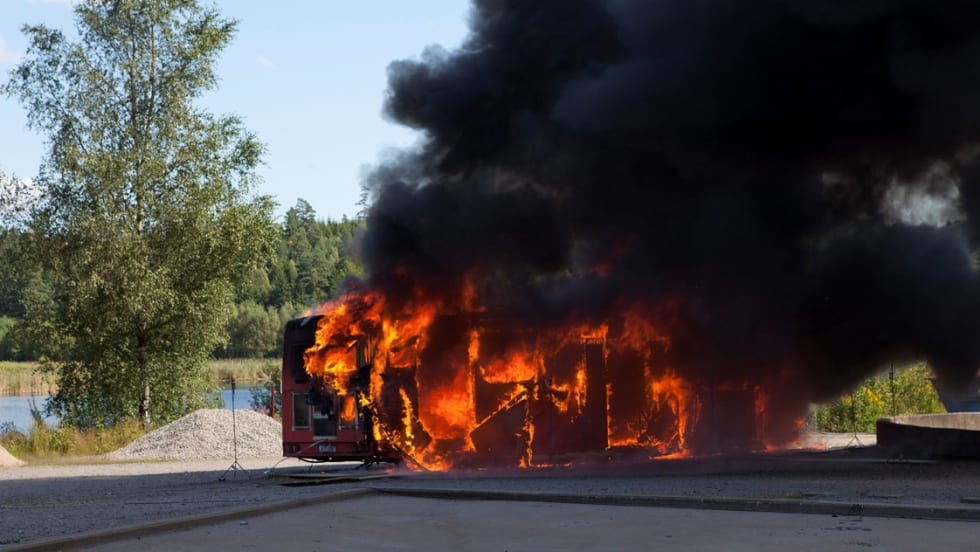







SP Fire Research is leading the way for more effective fire suppression systems by establishing a certification process and test method for testing fire suppression systems against known fire threats and environmental conditions specific to bus engine environments.
Read More →PERC presented the “Top User of Clean-Burning Propane Autogas” awards to attending representatives at a ceremony Wednesday morning at Indiana Convention Center. The fleets were individually recognized for recent adoptions of propane-autogas-powered vehicles.
Read More →The Expo will feature plenty of vehicles and technology on the show floor as well as an expanded educational program covering an array of topics, including safety, compliance, accessibility and finding cost efficiencies.
Read More →PERC hopes the consolidated web presence will promote a “one-fuel solution” by encouraging business and residential customers currently using or considering propane in one application to explore new fuel-efficient equipment for other uses as well.
Read More →Currently, CATS, which has no alternative fuel vehicles in its fleet, is considering compressed natural gas, liquefied natural gas, hydrogen, biodiesel, electric and diesel-hybrid options, agency officials said.
Read More →Switching our bus fleet to compressed natural gas from liquefied natural gas and diesel was a carefully weighed decision at DART. But in the end, it was a no-brainer: go with the fuel source that will promote clean air while saving taxpayers $120 million in fuel costs over the next 10 years.
Read More →The new Gillig buses are low-floor, offering ramps and kneeling features for the convenient boarding of passengers with disabilities, as well as an on-board camera system for added passenger safety.
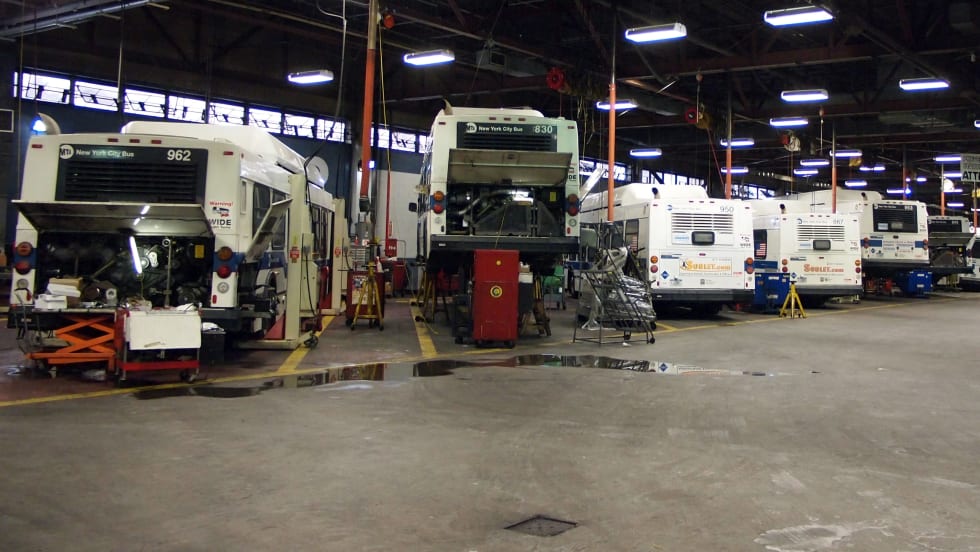
Read More →METRO’s annual Bus Maintenance Survey sees a growth in workforce issues compared to the first three installments, while more than 60% of the agencies who responded say they are buying more parts because they have to hold onto buses longer.
Read More →