
Metro Magazine

 MENU
MENU SEARCHMENUSEARCH
Loading data...
Soon after reaching my 20th year in the transit industry, back in 1993, after a draining day of addressing routine bus issues, I would cross paths with another employee, who I always remember, seemed to be quietly “doing his own little daily gig.”
Read More →
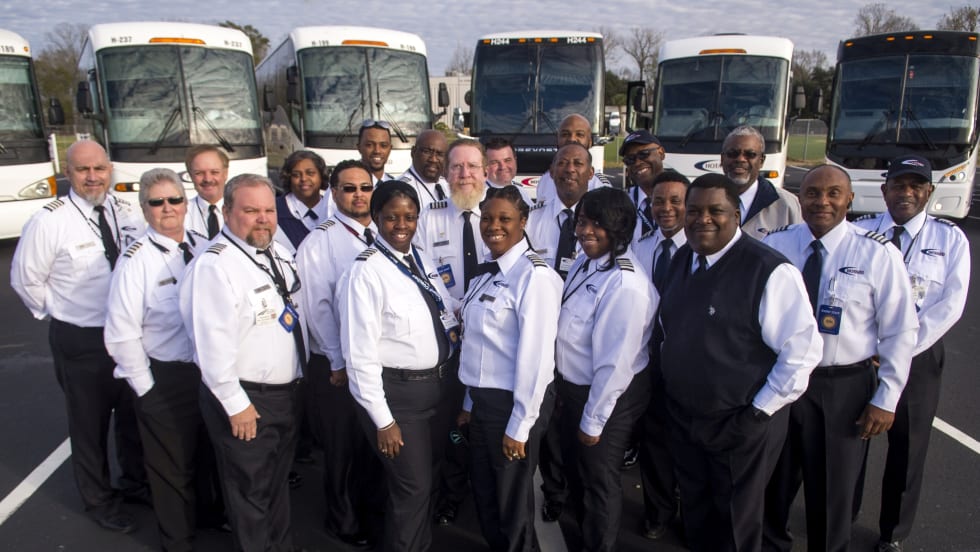
Will be held at the 2017 UMA Motorcoach EXPO in St. Louis on Feb. 28, 2017. The winner will receive a cash prize, trophy, framed certificate and recognition at UMA National Headquarters.
Read More →The crisis has pushed operators to use new workforce development tactics, including adding full-time human resources departments, increasing marketing and advertising, and enhancing their benefits package to be more attractive to job hunters.
Read More →The lack of operators means that when drivers go on vacation or are out sick some bus routes are impacted, causing the agency to shut some buses down and other routes have to pick up more people.
Read More →The expanded drug and alcohol rule fulfills a requirement of the Rail Safety Improvement Act of 2008
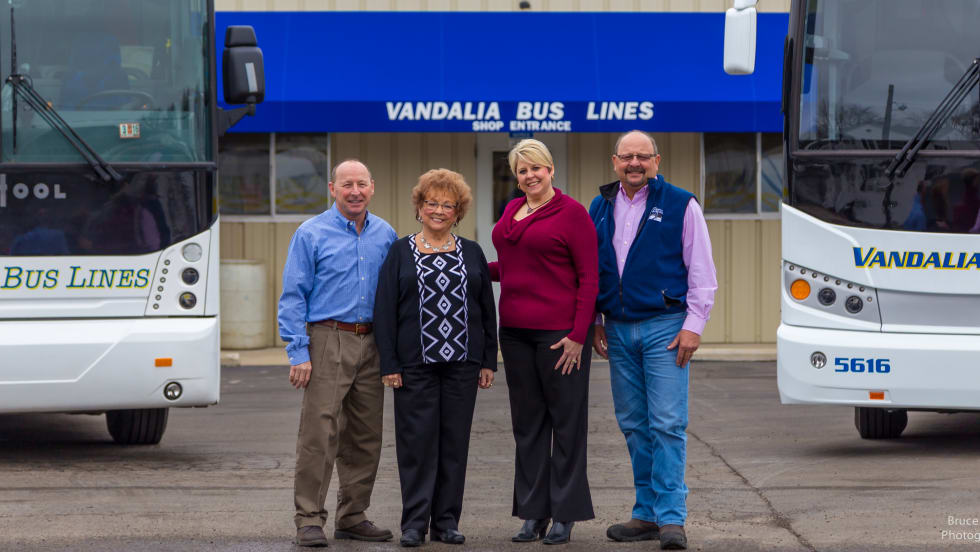
Read More →The family-owned business also prides itself in training and retaining safe, reliable drivers, while also using positions in associations to benefit the entire industry.
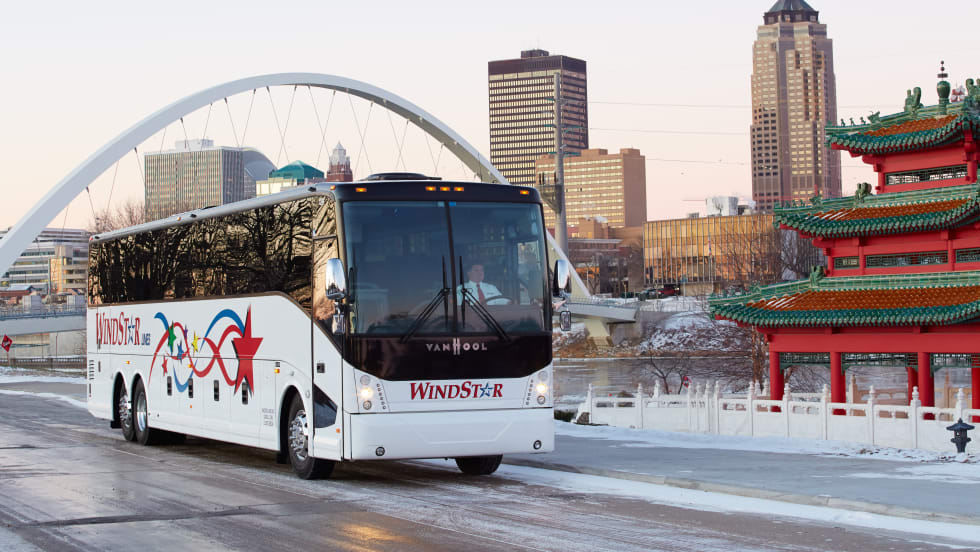
Read More →The family-owned-and-operated Windstar Lines is marking 20 years in the motorcoach tour and charter business, with brothers Jeff, Scott and Pat Greteman at the helm.
Read More →Many operators are tailoring their marketing and sales practices to attract millennials and baby boomers. Meanwhile, 77% of respondents report having issues recruiting, hiring and training drivers.
Read More →He has served as the interim GM/CEO for RTD since April. He has been with RTD for more than 21 years, serving as the assistant GM, safety, security and facilities, for the past eight years.
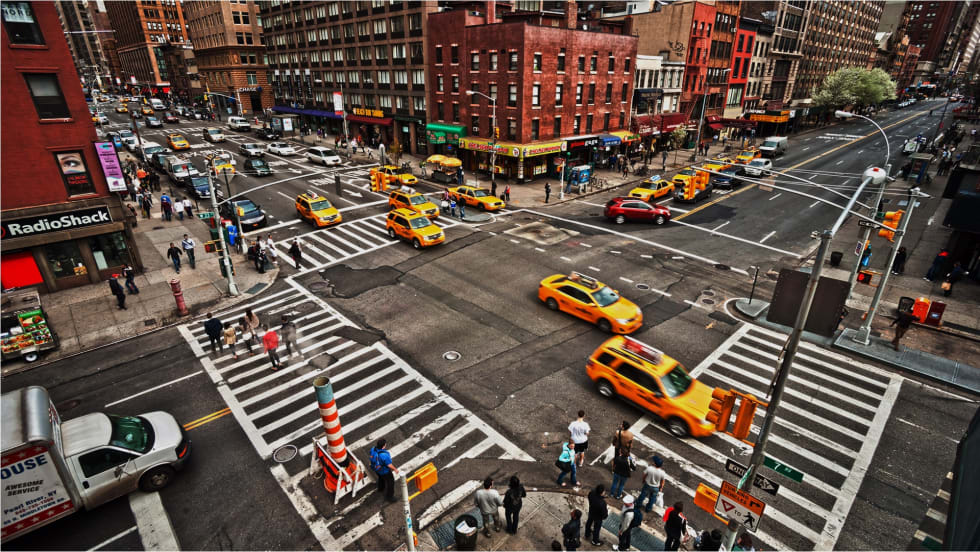
Read More →The world is a very busy place. We rely on our eyes to provide us with information that will keep us from harm as we operate our vehicles. It is difficult to over-emphasize the importance of effective scanning in order to recognize potential hazards early enough so appropriate action can be taken to avoid conflict. As a result, we spend a lot of time advising operators how often they should scan their mirrors, where to look for hazards, and how to bring objects into view that may be temporarily obstructed, and so on.
Read More →