
Metro Magazine

 MENU
MENU SEARCHMENUSEARCH
Loading data...
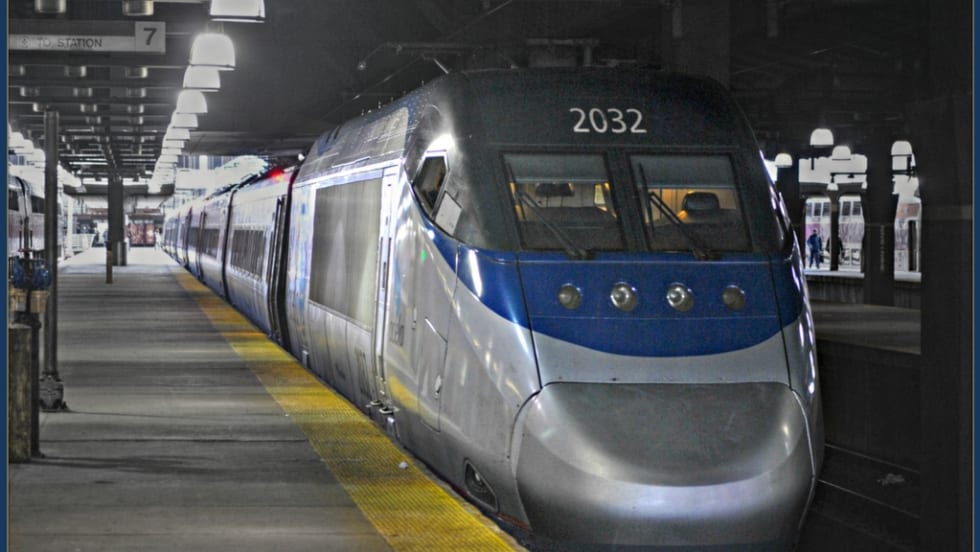
Report details how the corridor, carrying 750,000 daily Amtrak and commuter passengers, is a critical national asset. It also calculates that a loss of the corridor for one day would cost nearly $100 million in transportation-related impacts and productivity.
Read More →
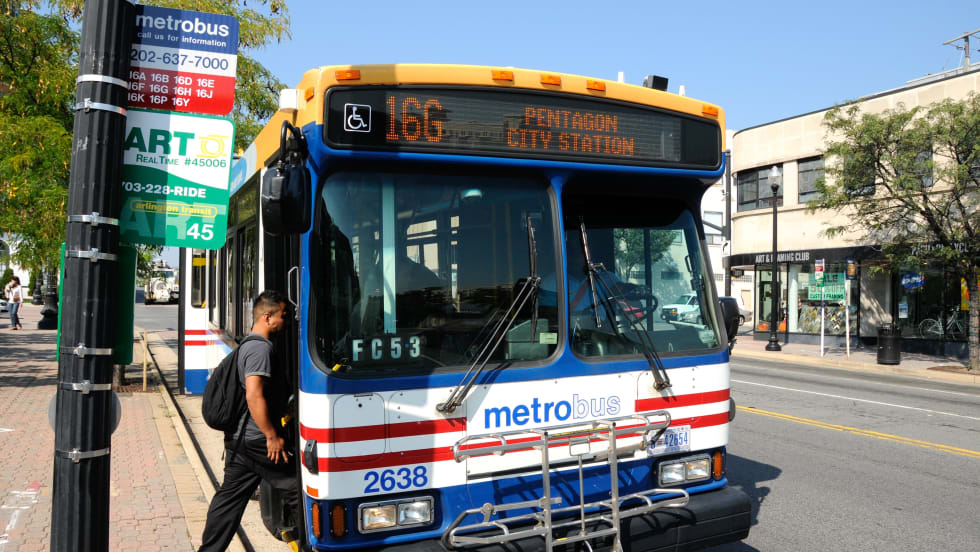
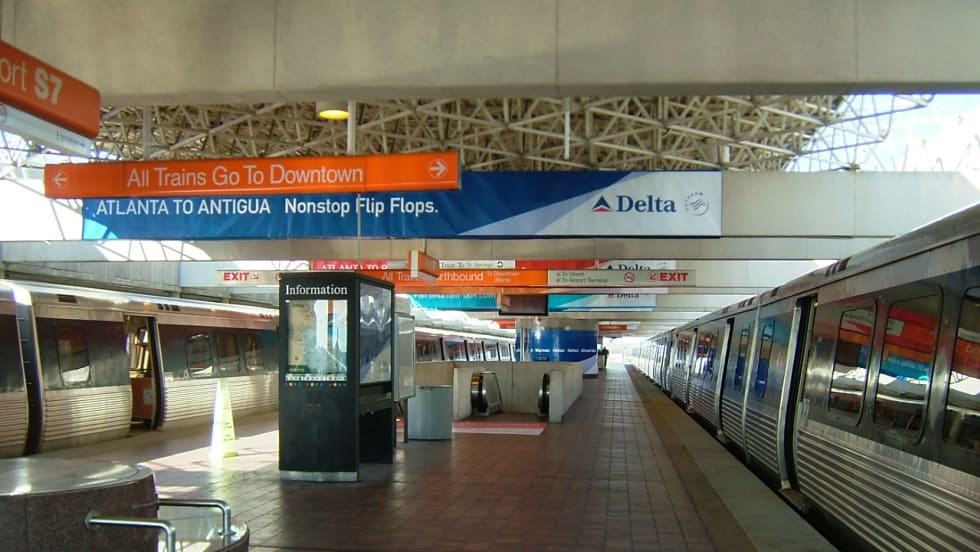
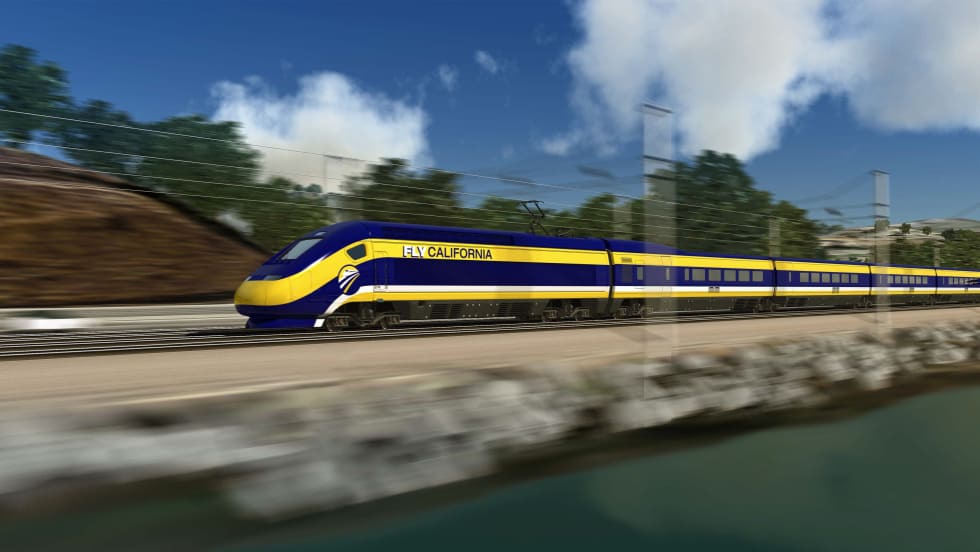
A task force created by Gov. Pat Quinn concluded that even some major job hubs “can’t be reached in a 90-minute commute” and described planning efforts as “haphazard.”
Read More →Driven by the lower cost of natural gas and the lower emissions from natural gas engines, compared to diesel fuel, operators of truck and bus fleets are increasingly shifting to natural gas vehicles. On average, the price of compressed natural gas is about 42% that of diesel.
Read More →The report, which analyzes the D.C. Metro system, proposes that greater reliability of transit schedules could motivate more people to leave their vehicles at home and ride the bus.
Read More →Research projects that 480,000 new jobs representing $32 billion per year in income will be at risk due to congestion by 2040.
Read More →New study shows that higher revenue per room translates to a potential $313 million in revenue per year for “rail cities” — cities which have direct rail access to airport terminals.
Read More →While the project may bolster the Central Valley’s economy, the region may lose substantial tracts of farmland to large-scale single family home construction that may accompany the economic growth.
Read More →Paper shows that public transit produces “agglomeration,” or, more people gathering in the same space, which draws more jobs, higher wages and economic productivity. The hidden economic value of a city’s transit system could be worth $1.5 million to $1.8 billion annually.
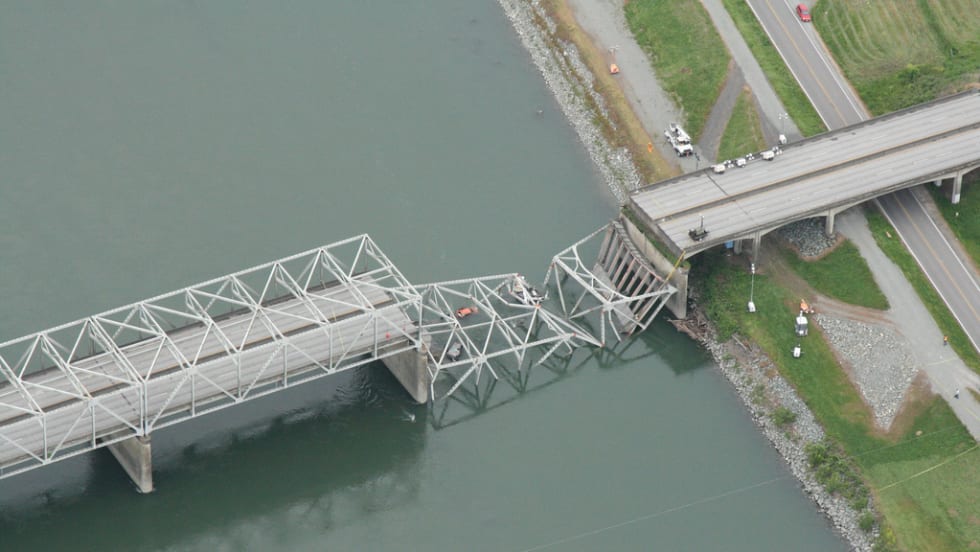
Read More →Nearly 8,000 bridges are both structurally deficient and “fracture critical,” meaning they are designed with no redundancy in their key structural components, so that if one fails the bridge could collapse.
Read More →The survey of 4,500 urban travelers in nine major cities in Brazil, France, Germany, South Korea, Spain, the U.K. and the U.S. showed that approximately 90% of people in these cities use public transportation on a regular basis and they are willing to pay more for technology improvements.
Read More →