



Report: Natural gas bus, truck sales will reach 40K yearly by 2022
Driven by the lower cost of natural gas and the lower emissions from natural gas engines, compared to diesel fuel, operators of truck and bus fleets are increasingly shifting to natural gas vehicles. On average, the price of compressed natural gas is about 42% that of diesel.

According to a new report from Navigant Research, worldwide sales of natural gas trucks and buses will grow from 170,200 annually in 2013 to 398,400 by 2022.
The report, “Natural Gas Trucks and Buses,” analyzes the global market for buses and trucks that are in the medium duty (10,000 to 26,000 pounds) and heavy duty (26,000 pounds or more) gross vehicle weight classes. The study provides an analysis of related market issues and drivers, including refueling availability, competing alternative drive technology, total cost of ownership, vehicle availability, and government influence. Global market forecasts for vehicle sales, vehicles on the ground, and fuel used are broken out by segment, fuel type, and region and extend through 2022.
The report also examines the key technologies related to natural gas storage on vehicles, as well as the competitive landscape.
Driven by the lower cost of natural gas and the lower emissions from natural gas engines, compared to diesel fuel, operators of truck and bus fleets are increasingly shifting to natural gas vehicles.
New markets for natural gas vehicles, such as the U.S. and China, tend to focus on fleet markets, particularly trucks and buses, because they require fewer refueling stations and fuel has become the highest or second highest cost for fleets.
“Demand for natural gas trucks and buses remains uneven on a regional basis,” said Dave Hurst, principal research analyst with Navigant Research. “In North America, where natural gas costs remain low, the number of vehicles is outstripping the development of refueling stations. In Asia Pacific, China and other developing markets are looking to natural gas to help address environmental woes in large cities. As a result, the total number of natural gas trucks and buses on the road by 2022 is anticipated to reach nearly 4 million.”
On average, the price of compressed natural gas (CNG) is about 42% that of diesel, according to the report. Liquefied natural gas (LNG) tends to be a bit higher, but sees significantly more variability than CNG. Given the difference, the payback period for heavy duty trucks can be as short as 1.5 years in North America. The incremental costs are largely driven by storage tanks for the CNG or LNG, which account for between 53% and 76% of the total incremental costs.
More Bus
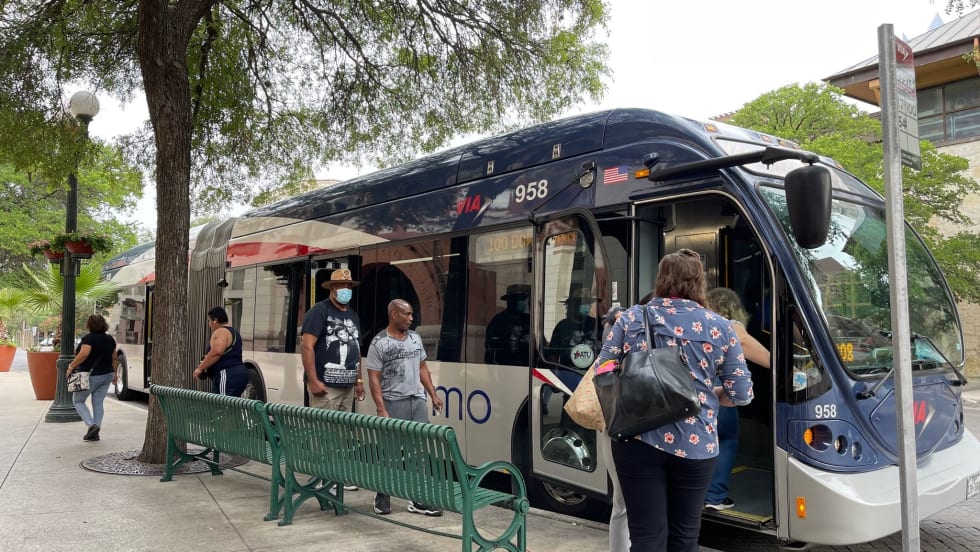
VIA Bus Ridership Grows 10.1% Through August 2026
San Antonio's VIA Metropolitan Transit reported the highest bus ridership growth among major Texas transit systems. Federal Transit Administration data ranked it second among the nation's 50 largest transit systems.
Read More →
LA Metro September Ridership Climbs 3.9%, Led by Rail Growth
The agency recorded more than 27.2 million boardings, with rail ridership increasing 12.4% year over year and the D Line posting the largest gains.
Read More →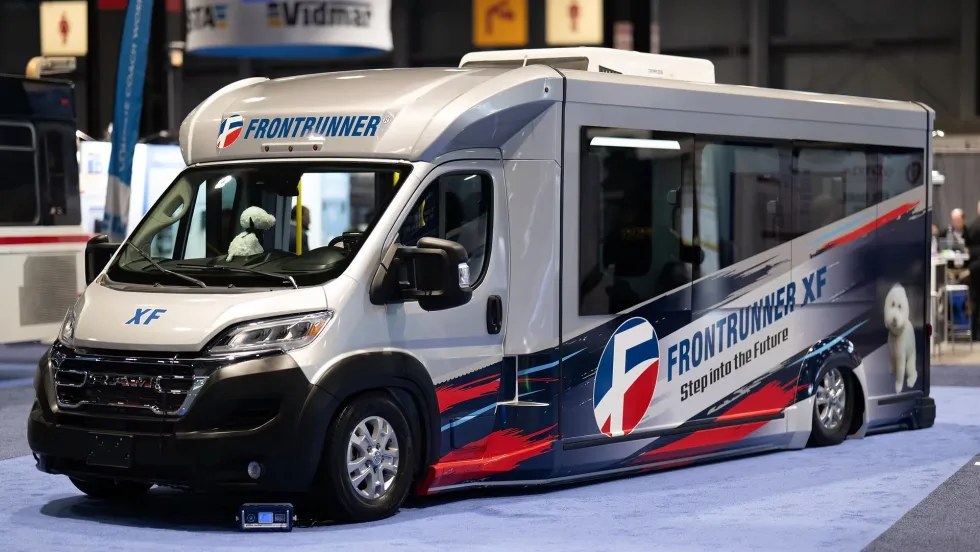
Frontrunner Bus Group Introduces XF Low-Floor Bus with Enhanced Accessibility
The new mid-sized bus features a full flat-floor design, eight-inch curbside step-in height, and zero-entry rear ramp to improve passenger access and operational flexibility.
Read More →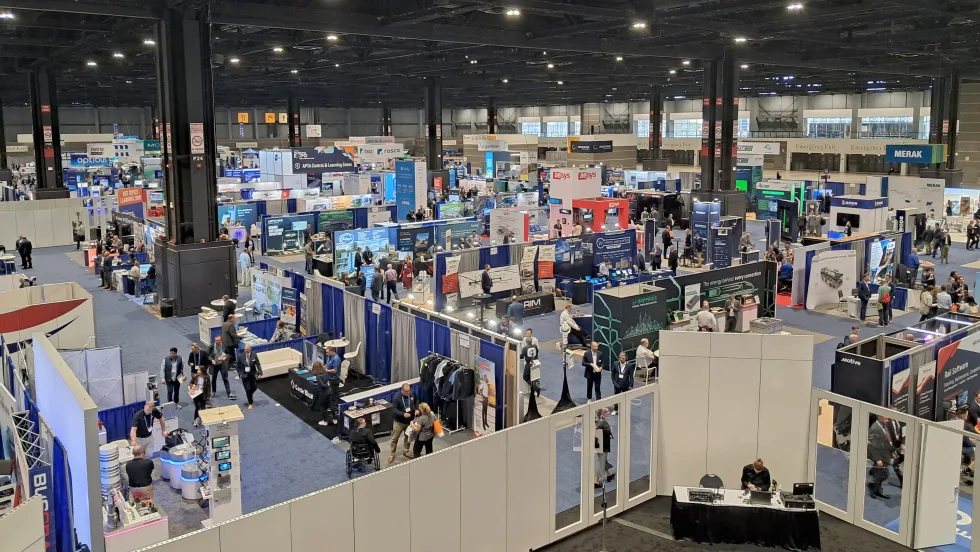
Scenes from APTA TRANSform & EXPO 2026
Transit leaders, manufacturers, and industry professionals gathered in Chicago to explore new technologies, share ideas, and discuss the future of public transportation.
Read More →
More Than a Summer Job: Building the Next Generation of Transit Talent
The Delaware River Port Authority and PATCO have transformed their internship program into a hands-on professional development experience that introduces students to the breadth of transportation careers — and creates a pipeline for future employees.
Read More →
LA Metro Board Awards 220 Battery-Electric Bus Contract to ENC
The contract, which is the largest base award of battery-electric buses by a U.S. transit agency, will be built in Southern California, sustaining good jobs as LA prepares to welcome the world in 2028
Read More →
Public Transit Conference Returning to GFX in 2027, Call for Papers Now Open
The Call for Papers is now open, allowing transit agency professionals and industry experts to help shape the PTC educational program by submitting session ideas for consideration.
Read More →
Indian River Transit’s Community-Focused Approach Earns National Recognition
Named APTA’s 2026 Outstanding Public Transportation System in its size category, Florida’s Indian River County transit system continues to grow ridership through fare-free service and a focus on evolving community needs.
Read More →
ENC Lands MATA Contract and More in Biz Briefs
In this edition of Biz Briefs, we spotlight the latest developments shaping the future of mobility.
Read More →
From Surviving to Thriving: Building Stronger Transportation Organizations
Bus Business Consultants founder Brian Dickson shares lessons on leadership, organizational health, and creating options for long-term success in a changing transportation industry.
Read More →