
Metro Magazine

 MENU
 SEARCHMENUSEARCH
Loading data...
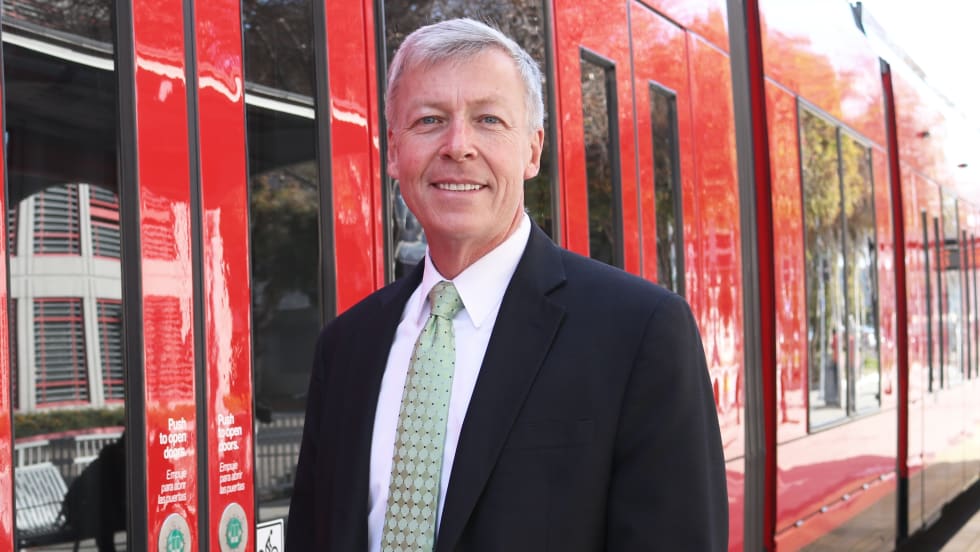
Al Stiehler, who most recently served as chief of field operations for New York Metropolitan Transportation Authority, will begin his role Jan. 18.
Read More →
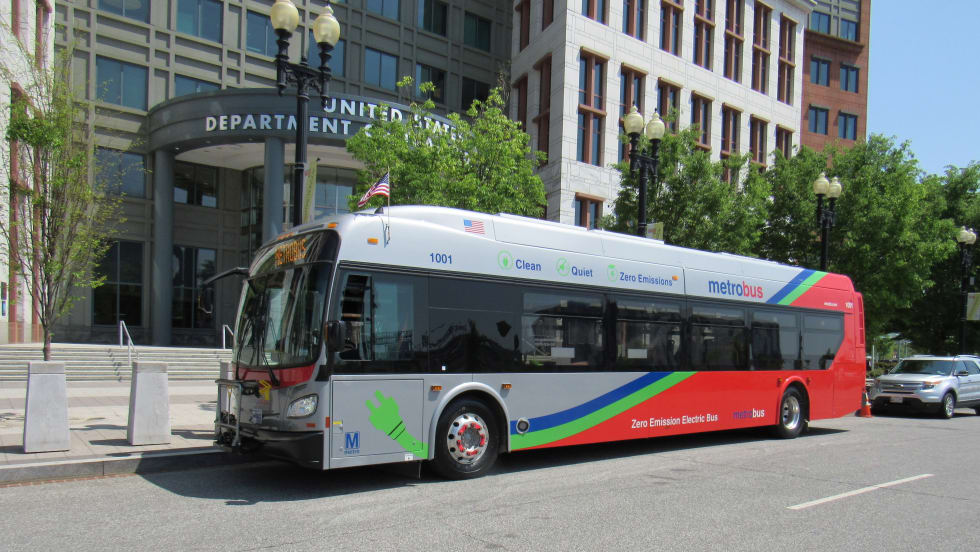

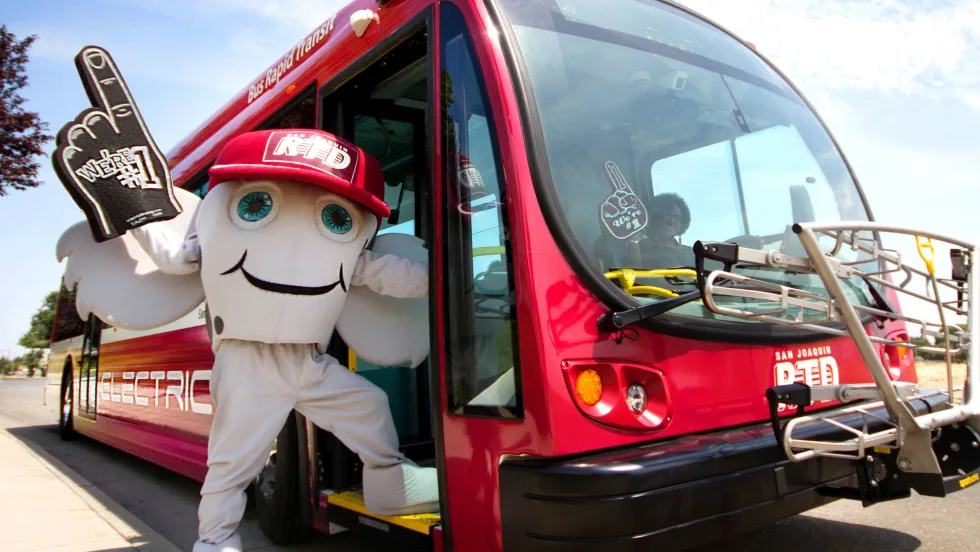
The amendment would appropriate an additional $1.5 billion for transit formula funding and $1.5 billion for the New Starts program.
Read More →The Vehicle Research and Innovation Laboratory project is proposed as a testing facility to address challenges faced by transit vehicle manufacturers in adopting low- or no-emissions technologies.
Read More →As part of the APTA Annual Meeting, METRO asked top executives what is another transit agency/operator they admire. Here are their answers.
Read More →Compared to regular transit service planning, services for special events pose a unique set of challenges to cities of smaller sizes, as well as service providers because they’re non-recurring events without a predictable transit demand.
Read More →The Route Restoration Program will help transit agencies develop strategies and identify opportunities to remove barriers and increase equity in underserved communities.
Read More →The latest figures represent nearly 14% year-over-year growth for all fixed routes on three service boards combined.
Read More →APTA statistics for 2014 show that 16.9% of public transit buses were hybrid-electric. Coming in a close second, public transit systems report that 16.7% of U.S. transit buses used compressed natural gas (CNG), liquefied natural gas (LNG) and blends. Biodiesel is used by 7.4% of public transit buses. Other alternative fuels, such as propane and hydrogen, account for 0.3%.
Read More →The rural, small city, specialized, and NEMT operators are experiencing unprecedented challenges in the wake of COVID-19.
Read More →The hydrogen fuel cell transit buses underwent cold chamber testing at a facility in Ottawa in order to meet the requirements of operating in -20˚C temperatures. The vehicles also had to achieve a range of 500 km.
Read More →