



Pending Economic Recovery Bill amendment would add $3 billion for transit
The amendment would appropriate an additional $1.5 billion for transit formula funding and $1.5 billion for the New Starts program.

The U.S. House of Representatives is scheduled to debate the economic recovery bill, and an amendment will be offered to increase transit funding from $9 billion to $12 billion.
The amendment is sponsored by Representatives Jerrold Nadler (D-NY), Peter DeFazio (D-Ore), Dan Lipinski (D-Ill), Steve Ellison (D-Minn) and Michael McMahon (D-NY). The amendment would appropriate an additional $1.5 billion for transit formula funding and $1.5 billion for the New Starts program.
The American Public Transportation Association’s (APTA) economic recovery survey has identified almost 800 “ready-to-go” transit projects worth $15.9 billion. Transit investment can be spent quickly and will immediately create “green” jobs. The U.S. Department of Transportation estimates that every $1 billion of stimulus investment in transportation infrastructure supports 28,000 jobs, while $12 billion in new transit funding would create more than 330,000 new jobs. The proposed amendment would also increase public transportation funding to nearly the level recommended by House Transportation and Infrastructure Committee Chairman James Oberstar (D-Minn) last month.
APTA has posted an action call on their Website, urging APTA members to contact their U.S. Representatives immediately to ask them to support the “Nadler” amendment to add an additional $3 billion for public transportation to the economic recovery bill. For more information on APTA’s call to action, visit http://www.apta.com/government_affairs/washrep/2009january27.cfm
More Paratransit

People Movement: Dan Dipert Coaches Adds Third-Generation Leader, Keolis Names New Valley Metro VP/GM, and More
In this edition, we also cover recent appointments and announcements at the Wabtec, SilverRide, HNTB, and more, showcasing the individuals helping to shape the future of transportation.
Read More →
Biz Briefs: RIPTA Unveils New Frontrunners, Clevland RTA Adds New Siemens, and More
In METRO's latest installment, we take a look at recent news from Siemens, Prevost, Dodge, and more partnerships making headlines across the transportation sector.
Read More →
King County Metro Makes ADA Paratransit Easier to Navigate
METRO's Innovative Solutions Award winner replaces complex service-area descriptions with an accessible, interactive map that puts paratransit information directly in customers’ hands.
Read More →
Jacksonville’s NAVI Project Charts a New Course for Autonomous Public Transportation
Through its NAVI program, JTA is showing how autonomous vehicles, intelligent infrastructure, and coordinated operations can work together to deliver everyday public transportation.
Read More →
Driving Smarter Paratransit
John Hanlon shares how AlphaRoute is leveraging AI-powered technology to help paratransit providers optimize operations, support frontline staff, and enhance the rider experience.
Read More →
METRO Magazine Announces 2026 Innovative Solutions Awards Winners
Projects Recognized for Advancing Mobility Through Technology, Accessibility, Workforce Innovation, and Operational Excellence
Read More →
Biz Briefs: STV teams with Amtrak, Motorcoach Operators Boost Fleet and Land Contracts, and More
From manufacturers and suppliers to transit agencies and motorcoach operators, these updates offer a snapshot of the projects, partnerships and business moves driving the industry forward.
Read More →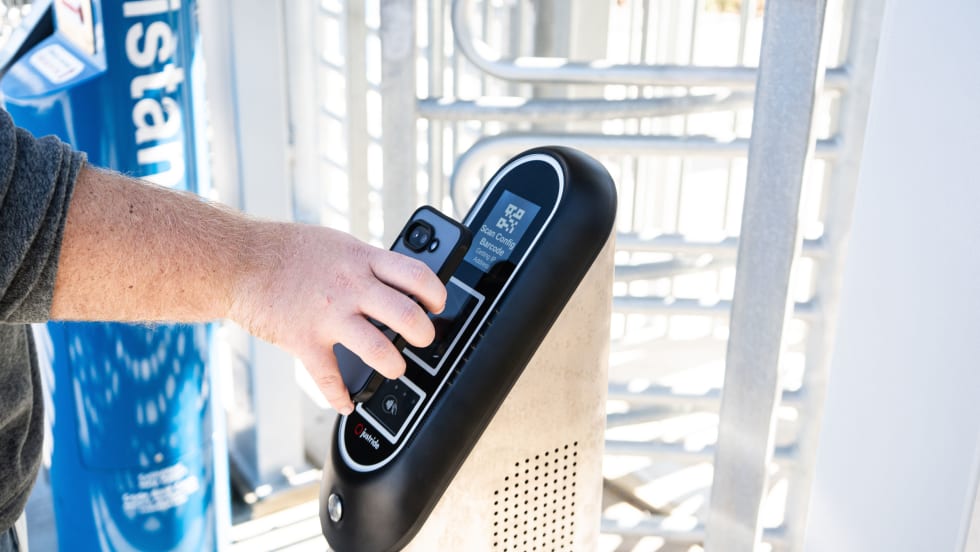
Biz Briefs: Masabi Teams with St. Louis Metro and More
In METRO's latest installment, we take a look at recent news from Transdev, Hitachi, and more partnerships making headlines across the transportation sector.
Read More →
New York MTA Leverages Zoning Program to Advance Station Accessibility
Accessibility enhancements at Nevins St Station will be financed through a development agreement tied to the MTA's Zoning for Accessibility initiative.
Read More →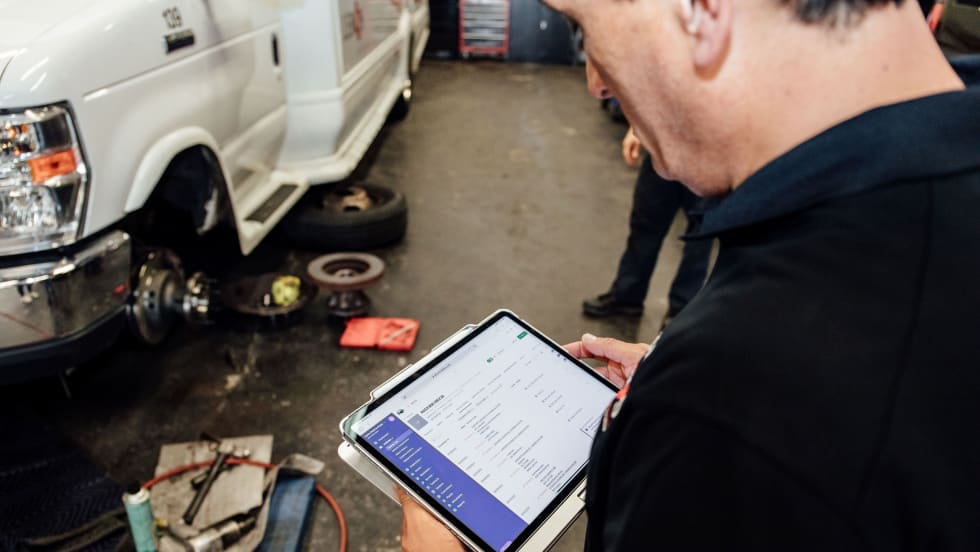
Reinventing Fleet Maintenance with Real-time Visibility and AI
Transit leaders need to know what needs fixing, where to look, who is responsible, when work is completed, and what it costs without having to chase information across disconnected systems.
Read More →