
Metro Magazine

 MENU
MENU SEARCHMENUSEARCH
Loading data...
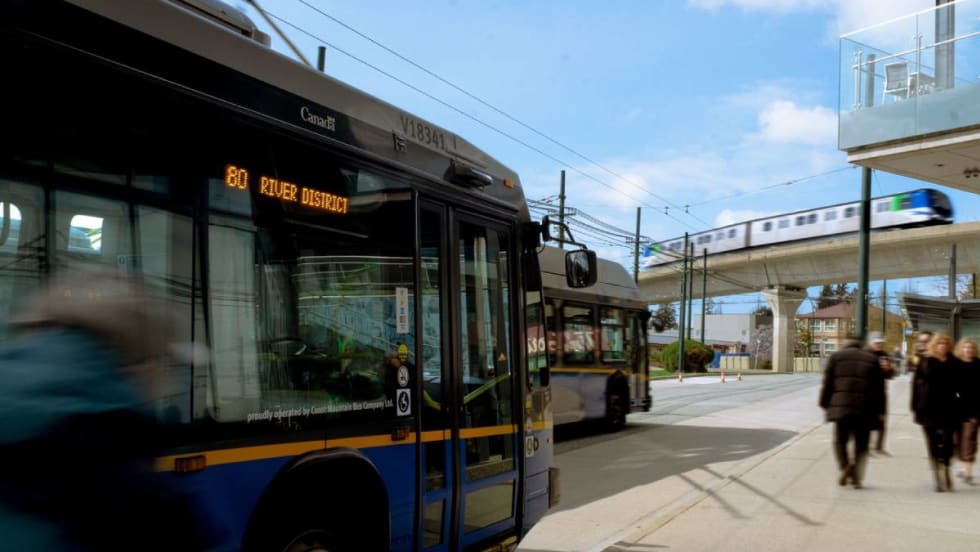
TransLink's $600 million annual funding gap could lead to transit cuts, raising the cost of living in Metro Vancouver.
Read More →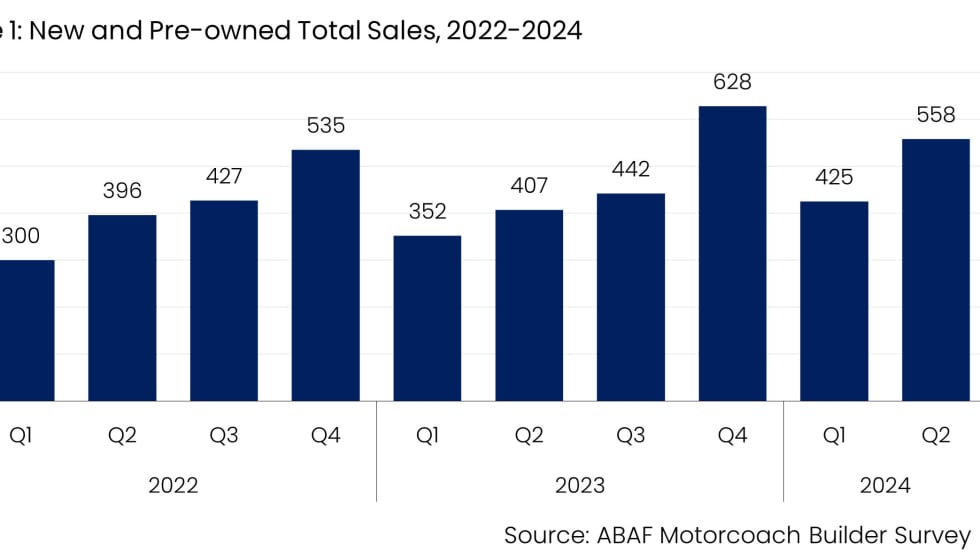
Based on surveys of the major motorcoach manufacturers selling vehicles in the U.S. and Canada, Q2 data for 2024 shows a 37.1% increase compared to the same quarter in 2023.
Read More →
The latest MTI perspective explores the issue of failed human infrastructures by synthesizing the results of a recent expert panel discussion that underscores the need for greater attention to mindfulness and more in industry workplaces.
Read More →
Being the fifth annual edition of the NABSA report, the 2023 State of the Industry Report demonstrates shared micromobility’s continued viability and strength as an important mode in the public transportation ecosystem
Read More →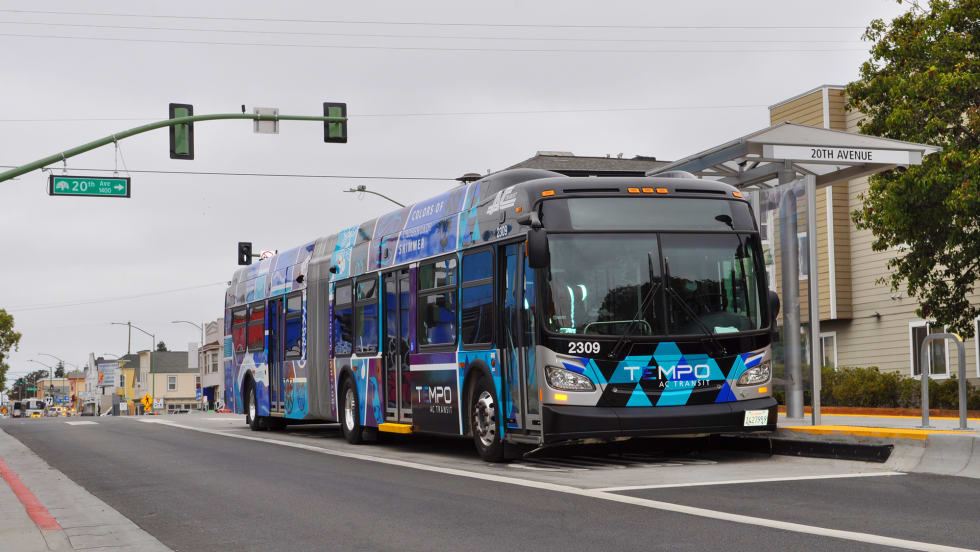
When AC Transit implemented changes to its hiring and training process, including significant financial incentives and a holistic view of new hire needs, the agency experienced an improvement in hiring and retention.
Read More →
The industry is beginning to adopt new practices that result in a better product and user experience.
Read More →
The Bus Vision Project will shape how CTA reimagines its bus network and what improvements it should implement in the future.
Read More →
Convened in the spring of 2022, the Blue-Ribbon Panel, consisting of education, social justice, business, and law enforcement experts, was given a mandate to investigate the root causes of fare and toll evasion and develop a comprehensive strategy to combat it.
Read More →
January 2024 had a record number of attacks — the second highest number of attacks for a month ever and 130% more than last January.
Read More →
Average weekday rail ridership saw a 6.4% increase in boardings over March 2023, surpassing 200,000 boardings for the second time since the beginning of the pandemic.
Read More →