
Metro Magazine

 MENU
MENU SEARCHMENUSEARCH
Loading data...
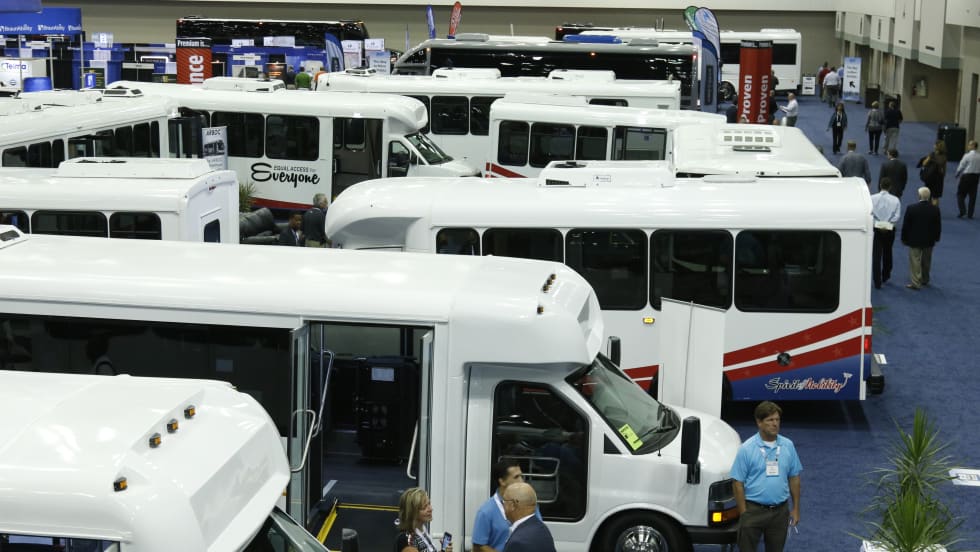
The two sessions at BusCon 2017 in Indianapolis Sept. 11 to 13, which are open to all bus operators, will discuss the capital cost of contracting and the federal governments Data Q system.
Read More →
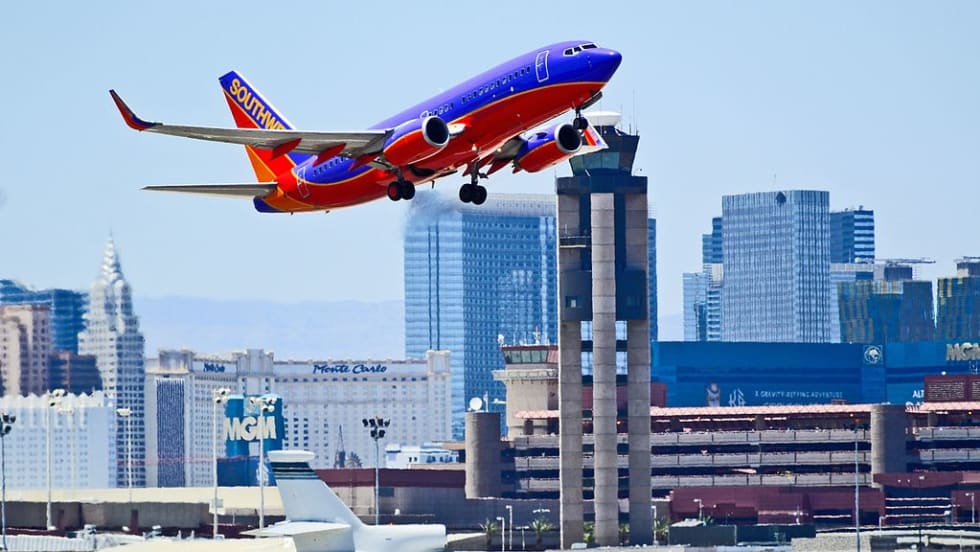
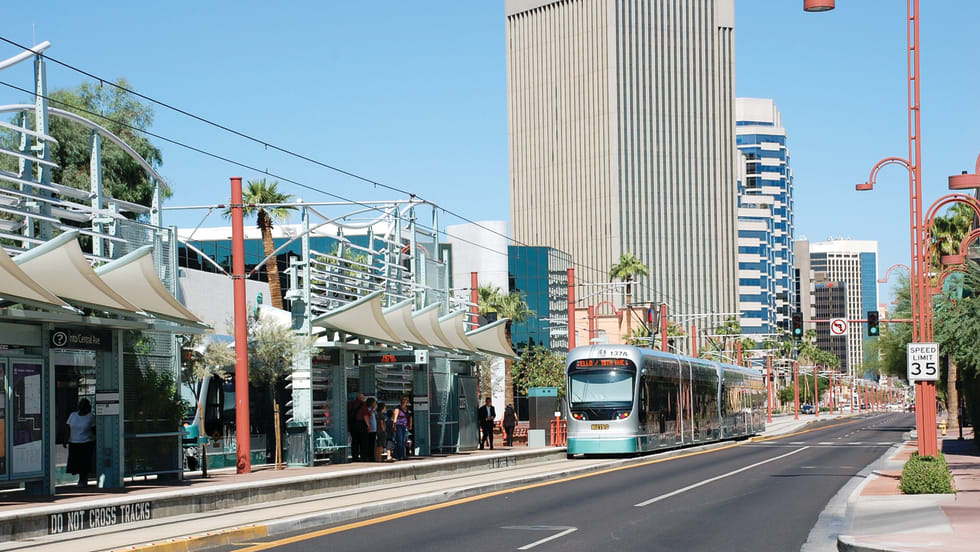


As public transportation budgets and political support have grown in the U.S. and elsewhere, so too has the interest in using private operators. Whether out of local political climate or a desire to have more flexible options for delivering services, outsourcing presents both challenges and opportunities.
Read More →Under one bill signed by the governor, the RTC has until the end of 2020 to ask Clark County voters whether sales taxes should be increased to help pay for the proposed 8.7-mile transit system
Read More →An in-depth look at the recently completed QLine streetcar in Detroit, as well as rapid expansions and community support for Ariz.’s Valley Metro Rail and Seattle’s Sound Transit, where both agencies are spearheading aggressive plans to grow their rail systems.
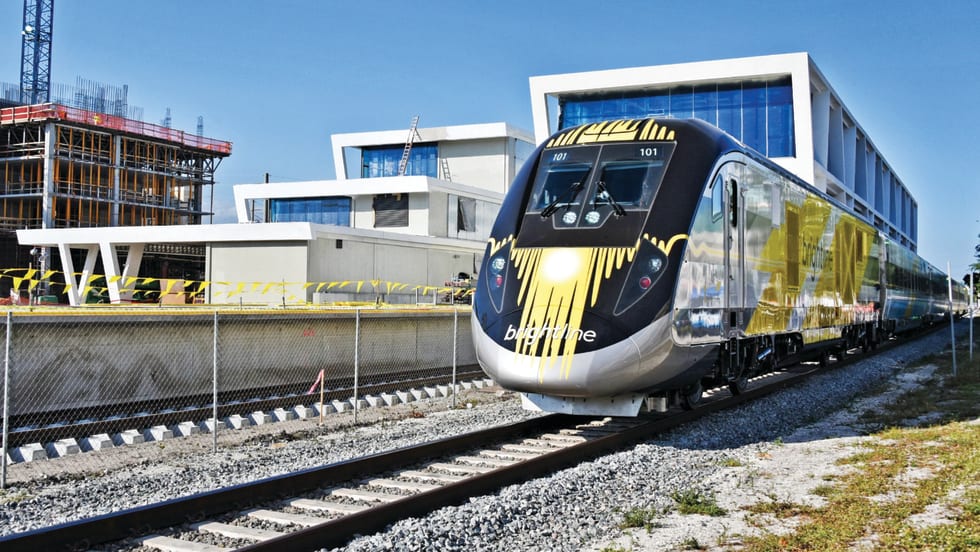
Read More →The first phase of the express passenger rail service, costing more than $1 billion, will connect the region’s main Central Business Districts of Miami, Fort Lauderdale, and West Palm Beach, while Phase 2 will connect Orlando.
Read More →The move follows an extensive re-visioning process across the ITS America membership — which represent interests and expertise from private companies, leading public research, and academic institutions, as well as state and city DOT leaders.
Read More →Transportation should be viewed like a smartphone. It should allow everyone to be connected to opportunities throughout the rest of society, at reasonable and low cost. And a ride-hailing partnership with transit is a crucial example of how local governments can catch up and be responsive in a fast-moving world of technology-driven transportation options.
Read More →These myths must be dispelled immediately. I will try to begin doing so below.
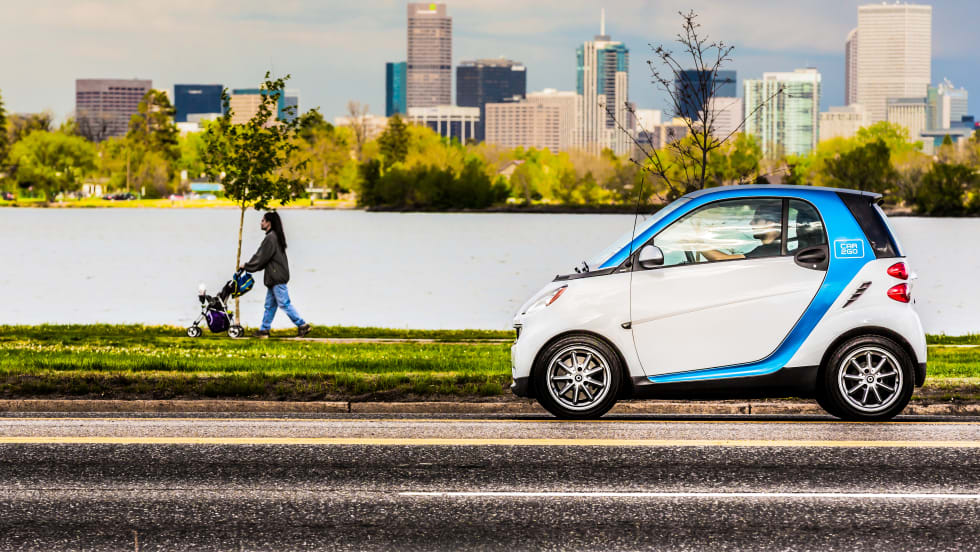
Read More →The recent rise of “mobility on demand” services like Uber and Zipcar has shifted society’s understanding of transportation systems and how they operate. Governments, advocates, and communities are responding by experimenting with their relationships to these services to ensure that on-demand options work with transportation networks to benefit public mobility.
Read More →With the transportation landscape evolving quickly in recent years — new mobility options and growing support for transit and bicycling — decision-makers face greater opportunity and unpredictability in how they can utilize and react to such options.
Read More →