



D.C. event shares perspectives on today's (and tomorrow's) mobility challenges
With the transportation landscape evolving quickly in recent years — new mobility options and growing support for transit and bicycling — decision-makers face greater opportunity and unpredictability in how they can utilize and react to such options.

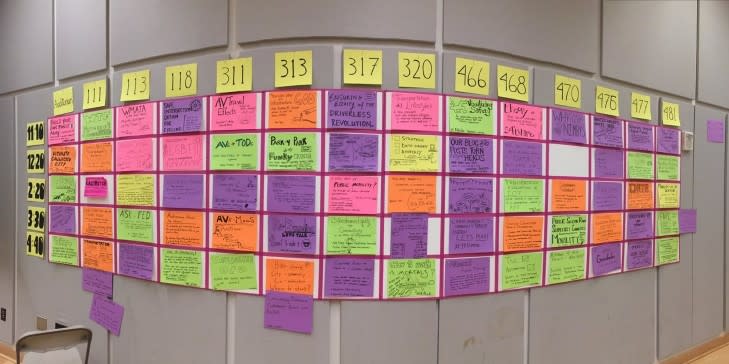
The finished wall of sessions at Transportation Camp DC 2017. Image via Greg Jordan-Detamore/Twitter

The finished wall of sessions at Transportation Camp DC 2017. Image via Greg Jordan-Detamore/Twitter
This story, originally published by Mobility Lab, was written by tech reporter Andrew Carpenter.
With the transportation landscape evolving quickly in recent years — new mobility options and growing support for transit and bicycling — decision-makers face greater opportunity and unpredictability in how they can utilize and react to such options.
What should the role of private enterprise be in providing transportation services? How transit-oriented development should evolve with the introduction of autonomous shuttles? And how exactly do protected bike intersections work?
Participants at TransportationCamp DC this year explored these changes, their implications, and how people can focus their efforts to improve transportation and accessibility.
Following the “unconference” model, participants guided the day’s conversations by proposing sessions, the majority focusing more on active discussion over prepared presentations. This way, attendees can explore issues from multiple points of view, building a community of thinkers and actors to tackle issues facing the transportation world.
Questioning the future
In the typical unconference model, organizers (Mobility Lab, George Mason University, and a number of host partners) don’t set a theme for the meeting, leaving participants to forge the course for the day. Ultimately, the sessions that made “The Wall” (where ideas for sessions are posted once approved by organizers) suggested a certain sense of uncertainty among many attendees, with many asking what the future holds for a variety of subjects.
Many discussions offered open-ended questions, ranging from what the transportation field might expect from the incoming presidential administration (“Chao! Chao! Here Comes the Trump Train”) to how agencies can build “The Ultimate Connected City” and how to make public transportation “cool” (“Re-Branding: Let’s Talk Transit”).
Autonomous vehicles, in particular, received a lot of attention this year. The future of driverless cars, including their effects on transportation systems and cities, is open to debate, making them a significant part of many conversations throughout the day, including six sessions focused specifically on AVs’ impacts in the industry.
Overall, the diverse backgrounds of attendees informed a wide range of possible takeaways, revealing how many conversations still have not been fully shaped in these early days of the AV.
Putting heads together
Many interesting exchanges happened as the 432 people who attended from wide and far on a snowy, frigid, Metro track-work-hampered Saturday encountered each other throughout the day.
Members of the MARTA Army shared their tactics for grassroots improvements for transportation in the Atlanta region, which blend tactical urbanism, innovative crowdsourcing, and traditional pressure on their transit agency. This approach struck a chord for a number of D.C.-area passenger advocates, and spurred a conversation between the groups as a hopeful model for future organizing in the Washington metropolitan area.
That @MARTAarmy scales #tacticalurbanism for transit is cool enough. That @MARTASERVICE is on board with it may be the coolest #transpo17
— Stephen Larrick (@SLarrick) January 7, 2017
In the afternoon, a “New Era of Public Mobility” panel incorporated government, business, and nonprofit speakers to explore the future of public-private partnerships. Bringing these perspectives together helped to highlight the opportunities for the groups to work together on improving the reliability of mobility options and expanding the reach of transit. Other suggestions included the creation of public “mobility managers” to coordinate with private services, and the challenges to sharing data and insights across agencies.
Great point: when we see headlines about govt funding, we don't see the people behind it going to the school, hospitals, work. #transpo17pic.twitter.com/pPJpc5Y6Et
— Greg Rogers (@gregoryrrogers) January 7, 2017
Few sessions had tidy conclusions as they might in a more formal conference. Instead, they acted as catalysts for new ideas and collaboration on the issues they covered, with most of the conclusions captured by TransportationCamp’s army of note-takers.
By embracing the dynamic nature of transportation, the unconference opened up conversations that will help advocates, businesses, and planners move more people in better ways.
More Blog Posts
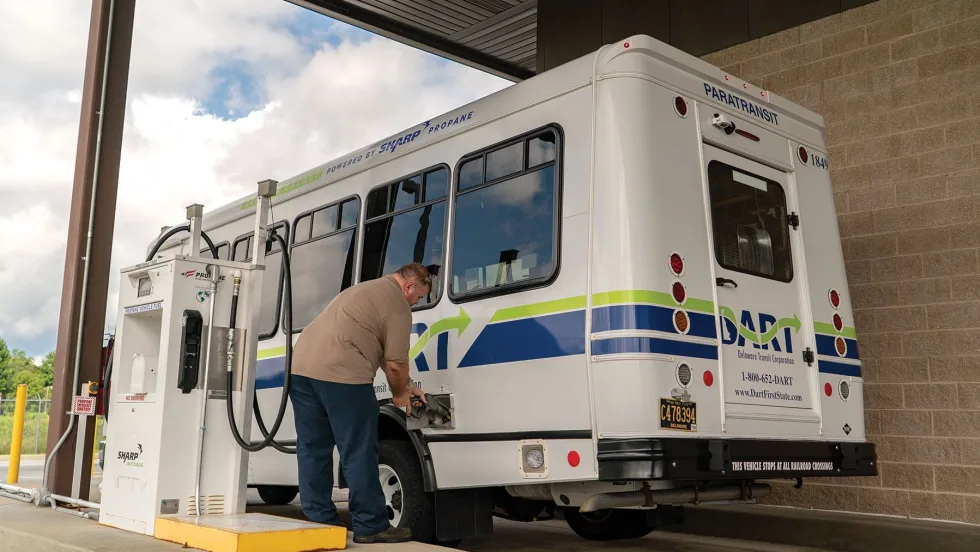
Building a Winning FTA Grant Proposal: Why Propane Autogas is the Pragmatic Choice for Fleet Resilience
With $610 million available through the FY 2026 Buses and Bus Facilities Competitive Program and the Low or No Emission Grant Program, agencies must build a compelling case before the September 21 deadline that balances environmental compliance with operational feasibility.
Read More →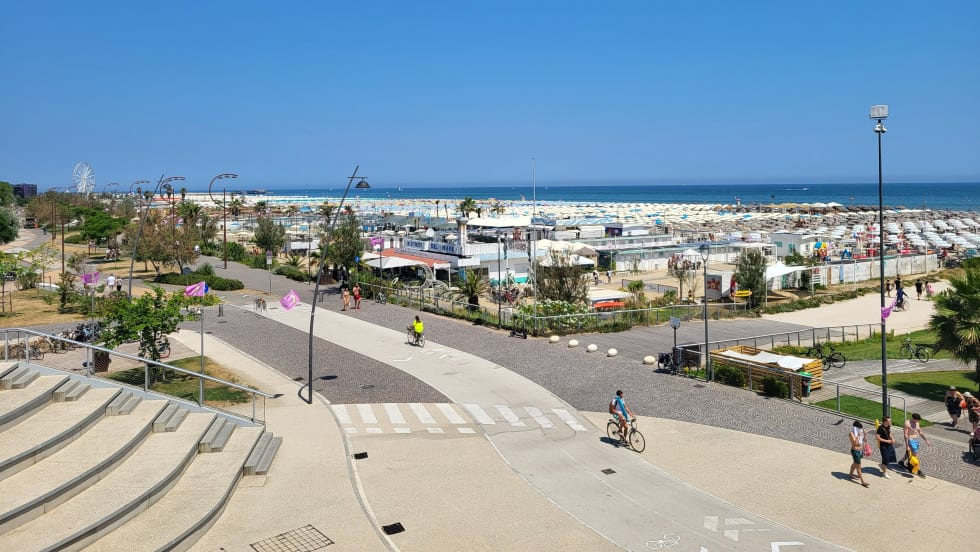
Velo-city Conference 2026: Latest Trends in Cycling as Part of Urban Mobility
The global cycling conference highlighted how cities are integrating bicycles into multimodal transportation networks, expanding cycle tourism and reshaping urban mobility.
Read More →
Kindness Isn’t Soft...It’s Strategic.
Mike Bismeyer — often known as “The Kindness Guy” — has spent more than 17 years in public transit and mobility, serving in industry leadership roles, speaking across North America, and advocating for stronger workplace cultures. But his message doesn’t come from theory. It comes from lived experience.
Read More →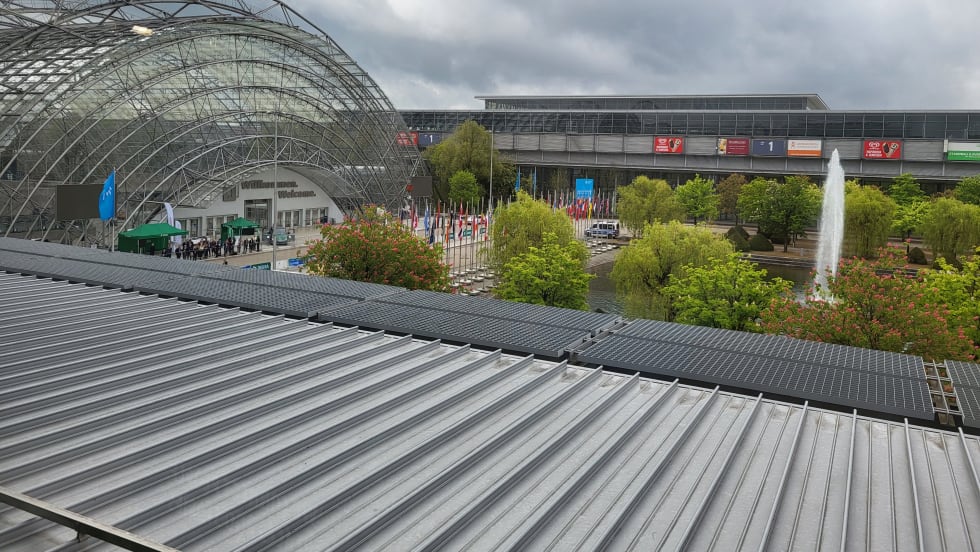
Inside ITF 2026: Transport Reacts to A Challenging World
Transport leaders from around the world gathered in Leipzig, Germany, for the 2026 International Transport Forum to discuss resilience, climate impacts, supply chains and the future of sustainable mobility.
Read More →
Every Ride Tells a Story — But You’re Not Just Selling the Ride
You’re selling the moment, the meaning, and the emotion behind it.
Read More →
How Digital Signage is Reshaping the Traveler Experience at Transportation Hubs
What was once a landscape of static signs has evolved into a responsive, immersive environment powered by real-time visual communication.
Read More →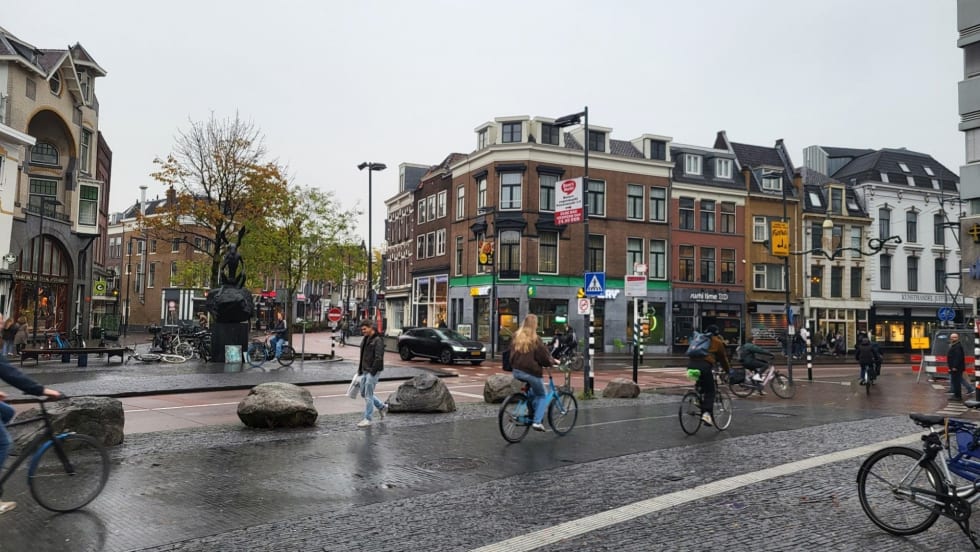
Latest Trends in Urban Mobility from Polis Conference 2025
Polis comprises cities and regions, as well as corporate partners, from across Europe, promoting the development and implementation of sustainable mobility. This year’s event had over a thousand attendees across various policy forums and an exhibition.
Read More →
Why Transit Leaders Require Better Tools for Operational Clarity In Today’s Tech-Fragmented Environment
Across North America and beyond, transit agency officials are contending with a perfect storm of operational headaches and strategic challenges that hamper daily service and long-term progress.
Read More →
The Powerless Brokers: Why California Can’t Build Transit
It is no secret that transit in the U.S. is slow and expensive to build.
Read More →
Why Transport Sustainability Should Focus on People Instead of Cars
Simply incentivizing electrification is not enough to make a meaningful impact; we must shift our focus toward prioritizing public transportation and infrastructure.
Read More →