
Metro Magazine

 MENU
MENU SEARCHMENUSEARCH
Loading data...
National Limousine Association and the Taxicab, Limousine & Paratransit Association want all drivers who transport passengers for a fee to be subject to national fingerprint-based background checks.
Read More →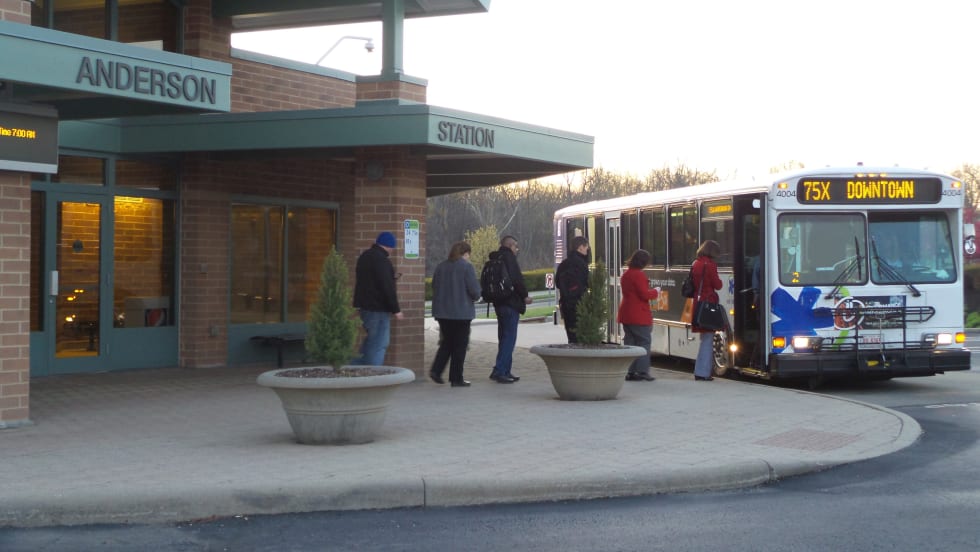


In the best-case scenario, policymakers would incorporate self-driving car technology into their plans, rather than competing with it for market share.
Read More →Users will be paired with a driver and other commuters going in the same direction, and then be directed to a pick-up location.
Read More →Instead of owning the wheelchair accessible vans, the ride-hailing app will access the vehicles already in circulation, driven by licensed Washington cab drivers.
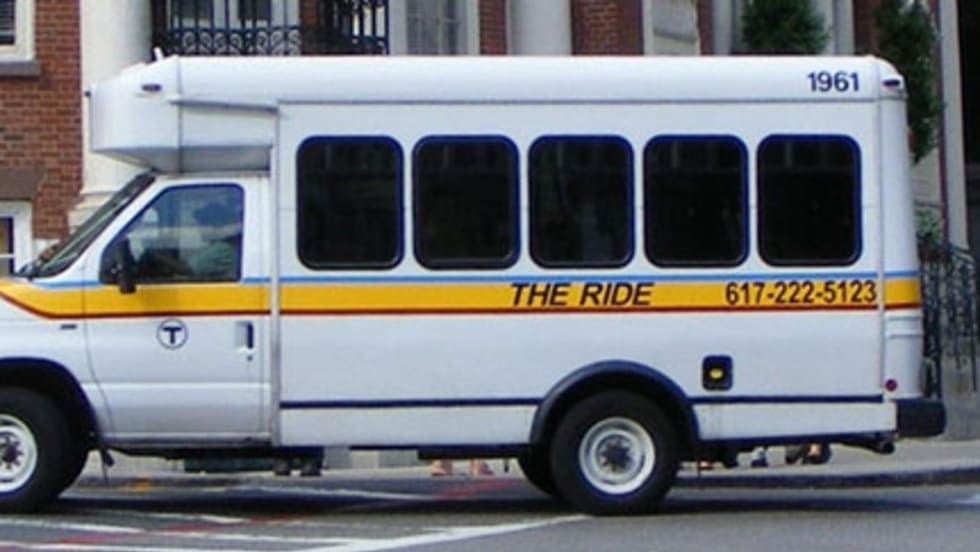
Read More →MBTA is running a six-month pilot program for 124 patrons with disabilities allowing them to pay for private taxis using an MBTA debit card, which they may expand for use on other ride-hailing platforms.
Read More →The agreement, which goes into effect at 1 p.m. Tuesday and applies only to Uber drivers as other ridesharing companies, such as Lyft and Sidecar, have not signed agreements with airport officials.
Read More →The council agreed to explore a possible city ordinance to require ride-hailing driver background checks to include fingerprint-based screening.
Read More →Tech-enabled ride-hailing services like Uber and Lyft already appear to be acting as a complement to public transit. Uber analyzed its Los Angeles trip data to in this light. Over the course of a month, Uber found that 22 percent of trips taken near Metro stations took place during rush hour (between 7 a.m. and 10 a.m. and 4 p.m. and 7 p.m. Monday through Friday). This data could be telling us that people are using Uber like they might use bikeshare, as a last-mile and first-mile connection to transit.
Read More →