
Metro Magazine

 MENU
 SEARCHMENUSEARCH
Loading data...

The new division will be headed by the current CEO Martin Ritter, who will become a member of the group management board.
Read More →





MobilityX will provide mobility and transportation focused startup companies access to experienced mentors from Capital Factory and Daimler executives, who will give valuable feedback and make introductions to other industry executives.
Read More →Wayfinding — the science of navigation in public spaces and cognitive load — a term used to describe the intellectual pressure that is placed upon a person during decision making situations — are inextricably linked when discussing the successful use of a public transportation network and to understand how they work together...
Read More →The OC Bus app, which is available on iPhone and Android devices, launched last year and has quickly gained popularity among OC Bus riders, who have downloaded the app more than 76,000 times.
Read More →The funds are intended to help transit agencies maintain service and jobs as communities continue to recover from the COVID-19 pandemic.
Read More →Among the administration's responsibilities is overseeing the implementation of civil rights laws and regulations in the nation's transit agencies. These laws include Title VI of the Civil Rights Act of 1964, which prohibits discrimination on the basis of race, color or national origin in programs and activities receiving federal financial assistance.
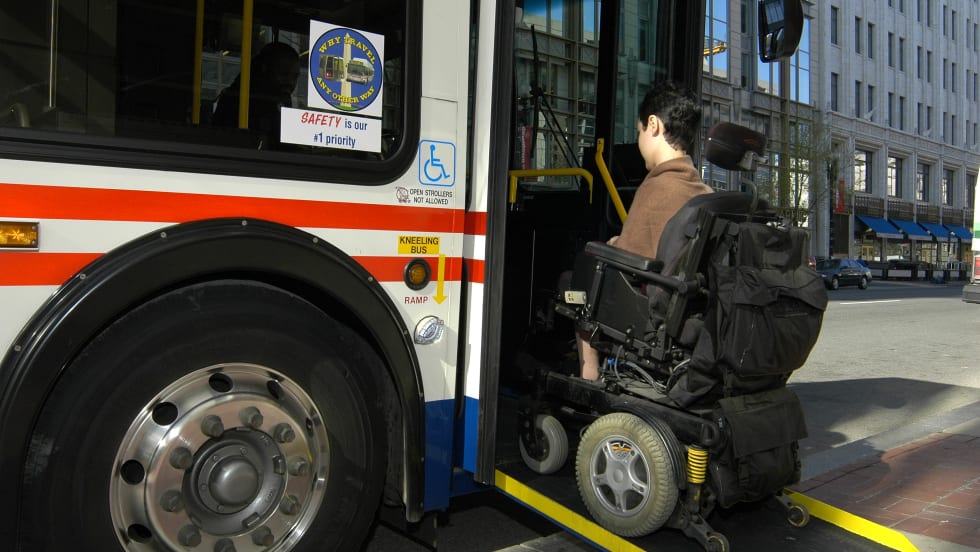
Read More →An ongoing review of the city’s compliance with the Americans with Disabilities Act shows that one-quarter of the city’s bus stops don’t meet the federal standard, according to consultants hired in 2011 to perform a citywide audit of public facilities
Read More →Specifically, DDOT is calling into question the tech companies’ diver screening processes and disability training, as well as their ability to comply with the same American with Disabilities Act requirements that apply to taxicabs companies, such as accommodating wheelchairs and service animals.
Read More →The purchase of the new locomotives was made possible by Act 89, Pennsylvania's comprehensive funding transportation bill.
Read More →Act allows for a board to examine and approve potential public-private transportation projects. If the board determines a state operation would be more cost-effectively administered by a private company, the company will be authorized to either completely or partially take over that operation.
Read More →