




RELATED: BRT Focus on OCTA
Calif.'s OCTA set to implement mobile ticketing systemwide
The OC Bus app, which is available on iPhone and Android devices, launched last year and has quickly gained popularity among OC Bus riders, who have downloaded the app more than 76,000 times.
February 12, 2018
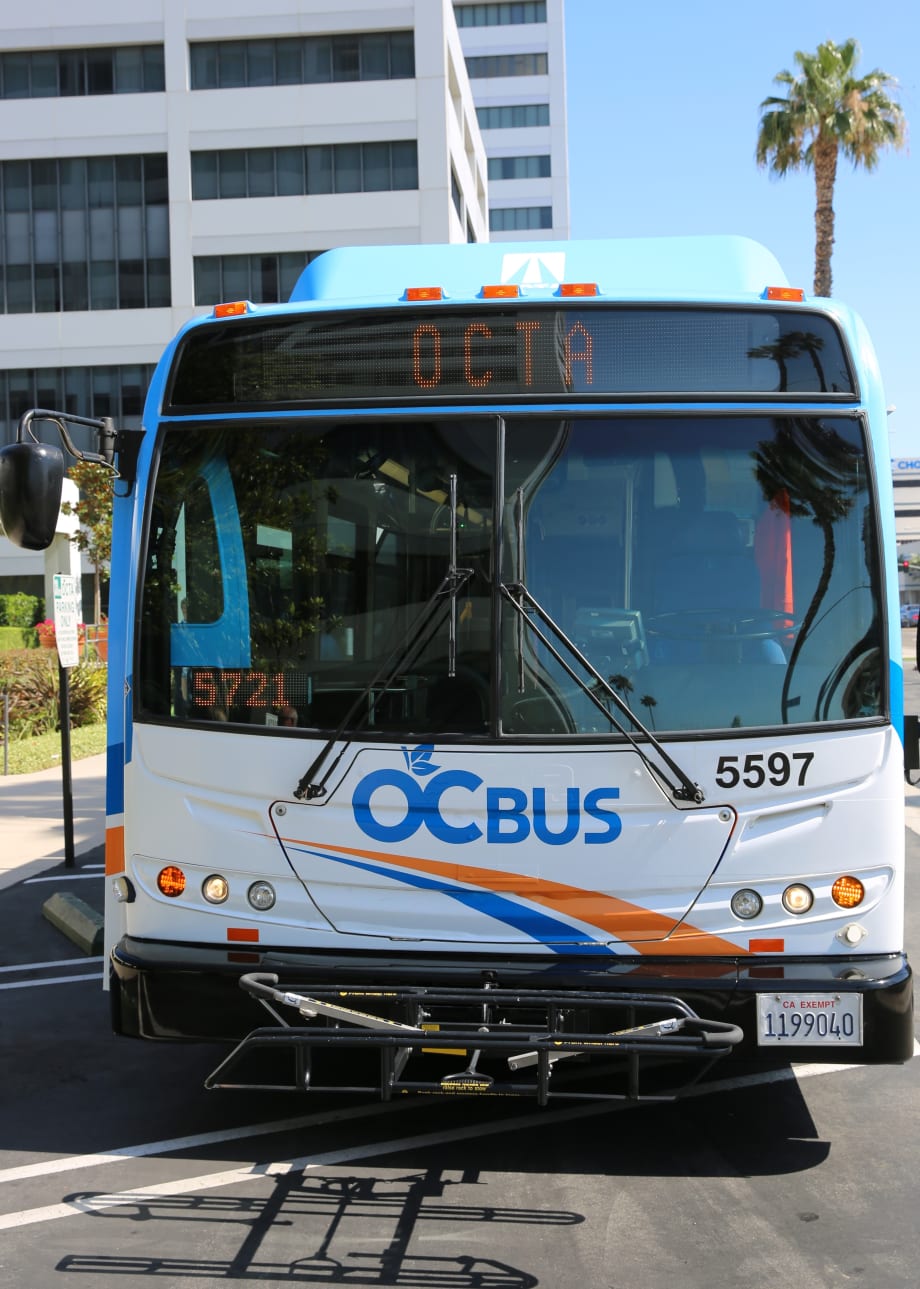
In addition to launching the mobile readers, seven routes will be changed as part of OCTA’s ongoing efforts through OC Bus 360° to provide more efficient and effective service.
OCTA
2 min to read
In addition to launching the mobile readers, seven routes will be changed as part of OCTA’s ongoing efforts through OC Bus 360° to provide more efficient and effective service.
OCTA
Boarding a bus in Orange County, Calif., will get easier when the Orange County Transportation Authority (OCTA) fully implements mobile ticketing on its fleet systemwide, with its partners INIT and moovel North America.
Riders who purchase bus fares via the OC Bus app on their smartphone or other mobile device will now be able to call up a QR code and quickly scan it on the onboard reader. Previously, coach operators had to review the screen and validate each boarding, which could slow down the boarding process.
The OC Bus app, which is available on iPhone and Android devices, launched last year and has quickly gained popularity among OC Bus riders, who have downloaded the app more than 76,000 times. To date, approximately 7% of total fare revenue is collected via the OC Bus app, which is more than double the average among the nation’s transit agencies.
In addition to launching the mobile readers, seven routes will be changed as part of OCTA’s ongoing efforts through OC Bus 360° to provide more efficient and effective service.
These efforts during the past two years have resulted in ridership increases of nearly 20% in areas where service improvements have been made. OC Bus 360° OCTA has slowed the trend of declining transit ridership, which has been experienced throughout Southern California. The effort has focused on sustaining ridership and improving productivity by reallocating service to where the demand is heaviest through the core of the county. Riders have seen more frequent service and travel times reduced through limited-stop bus service.
The February changes, which take effect Sunday, will include later service in some areas and increased service that will make it easier for riders to reach important work and entertainment destinations.
In addition, OCTA is introducing separate passes for senior and disabled passengers, which previously had been combined as a single pass, to better serve the distinct rider groups.
These changes were approved by the OCTA board following extensive outreach to riders and the larger community, including four public meetings to discuss the proposed changes and responding to public input.
More Technology

From Hardware to Digital Partner: Luminator Charts Its Next Chapter
CEO Magnus Friberg discusses Luminator’s shift toward becoming a digital partner, the growing importance of software and interoperability, and how AI can help agencies improve operations and passenger experience.
Read More →
Beyond the Checklist: A Structured Approach to Transit Maintenance
Reliability-Centered Maintenance helps transit agencies move beyond routine checklists to focus limited resources on the assets and failures that have the greatest impact on safety, reliability, and service.
Read More →
NJ TRANSIT Advances Bus Technology Upgrades Across Statewide Fleet
More than 1,500 buses now feature upgraded technology designed to improve arrival predictions and provide free Wi-Fi, with deployment expected to reach nearly 2,000 buses by the end of 2026.
Read More →

Building a Flexible Path to Transit Electrification
John Hroncich discusses BAE Systems’ modular and scalable approach, lessons learned from decades of real-world operations, and how agencies can identify electrification strategies that fit their fleets.
Read More →
Biz Briefs: Alstom Lands Canadian Contract, LYT to Supply California TSP, and More
In METRO's latest installment, we take a look at recent news from Complete Coach Works, Beep, FlixBus, and more partnerships making headlines across the transportation sector.
Read More →
Sponsored•September 8, 2026
From Legacy Silos to Conversational Intelligence
What if transit leaders could ask any operational question and get a trusted answer in seconds? Conversational AI is transforming how agencies use their data.
Read More →
USDOT Announces Rail Vehicle Replacement Grants, Chattanooga AV Shuttle Funding
More than $191 million in federal funding will help three transit agencies replace aging rail vehicles and support a new autonomous shuttle service in Chattanooga.
Read More →
Bus Tech Talk: Keeping Transit Technicians Ahead of the Technology Curve
LA Metro’s Obed Mejia discusses technician training, evolving maintenance technology, fleet replacement, and strategies for getting the most out of today’s transit fleets.
Read More →
Biz Briefs: RIPTA Unveils New Frontrunners, Clevland RTA Adds New Siemens, and More
In METRO's latest installment, we take a look at recent news from Siemens, Prevost, Dodge, and more partnerships making headlines across the transportation sector.
Read More →
Why Simulating Pedestrian Movement Has Become Essential for Modern Rail Stations
Pedestrian microsimulation is helping rail planners identify bottlenecks, test station designs, and prepare complex transit hubs for growing passenger volumes.
Read More →