
Metro Magazine

 MENU
MENU SEARCHMENUSEARCH
Strategically-adjusted train and bus schedules, across all seven corridors, vary from minor changes to departure and arrival times, to significant service changes and additions.
Read More →Despite economic downturn, trips stay above 10 billion for fourth year in a row.
Read More →Ridership had grown in correlation to increasing gas prices; however, it did notice a sharper drop in ridership on Minneapolis express routes than St. Paul express routes.
Read More →Will implement service reductions next month as a result of lower than anticipated revenues due to the sluggish economy.
Read More →With high unemployment, significant decreases in gasoline prices, and less state and local revenue available for public transportation operations, public transit ridership declined by 3.8 percent in the first nine months of 2009.
Read More →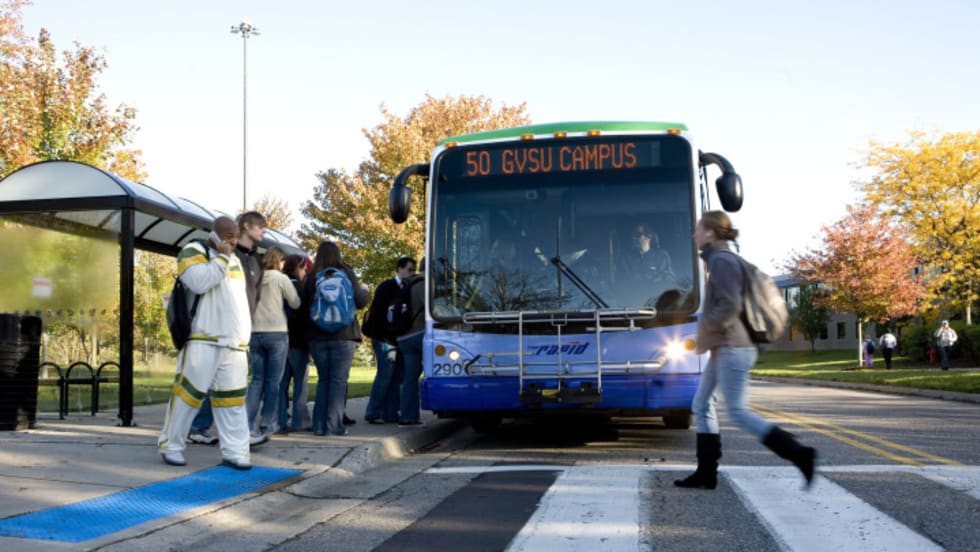
A total of 20 buses run five separate routes, every six minutes to seven minutes, both within and around the Allendale and Pew Grand Rapids campuses seven days a week.
Read More →Metro Transit said it has has leased a locomotive from the Utah Transit Authority. The locomotive, which will be the sixth in the Northstar fleet, currently is en route to the Big Lake, Minn., maintenance base. It will enhance long-term service reliability and ease maintenance pressures.
Read More →Saw record ridership during the emergency bridge closure, suggesting that many Bay Area residents can take public transit when the bridge is out -- but for various reasons don't do so regularly under normal conditions.
Read More →Numbers expected to continue growing past record numbers.
Read More →Besides nation's unemployment rate, other factors contributing to the ridership decline are service cuts and fare increases. Meanwhile, demand response (paratransit) services grow.
Read More →