



APTA: Americans took more than 10B trips in '09
Despite economic downturn, trips stay above 10 billion for fourth year in a row.

For the fourth year in a row, Americans took more than 10 billion trips on public transportation in 2009, despite high unemployment, a severe economic recession and lower gas prices, according to a report released on Monday by the American Public Transportation Association (APTA).
The 10.2 billion trips taken on U.S. public transportation systems in 2009 is a 3.8 percent decrease from the 52-year modern ridership record that was set in 2008. Bus and rail service cutbacks resulting from lower state and local funding also contributed to the ridership decline.
Despite this recent decrease in transit ridership, public transportation use is up 31 percent since 1995, a figure that is more than double the growth rate of the population (15 percent) and up substantially over the growth rate for the vehicle miles traveled (VMT) on our nation's highways (21 percent) for that same period.
In addition to the mobility benefits that public transportation offers, APTA's President William Millar noted that public transit means good, "green" jobs. For every $1 billion invested in public transportation capital and operations, 36,000 jobs are supported and created. Additionally, public transportation in the United States saves 4.2 billion gallons of gasoline every year and reduces our nation's carbon emissions by 37 million metric tons annually.
2009 Ridership Breakdown
Light rail (modern streetcars, trolleys, and heritage trolleys) ridership decreased 0.40 percent in 2009. Two new light rail systems started service in 2009 in Phoenix, Ariz. and Seattle and saw increases in service. Nine additional light rail systems that showed increases in 2009 were located in the following cities: Baltimore (11.5 percent); Oceanside, Calif. (10.7 percent); Memphis, Tenn. (9.3 percent); Seattle (9.2 percent); Philadelphia (9.1 percent); Tampa, Fla. (2.2 percent); San Francisco (1.2 percent); Portland, Ore. (0.6 percent); and New Orleans (0.1 percent).
Heavy rail (subways and elevated trains) ridership decreased by 2.6 percent across the country. Heavy rail systems with increases in ridership for 2009 were in the following cities: Los Angeles (3.9 percent); Chicago (2.2 percent); Philadelphia (1.5 percent); and Washington, D.C. (0.1 percent).
Nationally, commuter rail ridership declined by five percent in 2009. With a new rail line extension in December 2008, the commuter rail in Albuquerque, N.M., saw an increase of 99.5 percent. The two remaining commuter rail systems with annual increases in 2009 were located in Washington, D.C. (1.9 percent) and Baltimore (0.1 percent).
Large bus systems reported a decrease of 5.2 percent nationally. The bus system in San Francisco showed an increase of 1.2 percent.
Demand response (paratransit) ridership increased in 2009 by 2.7 percent and trolleybus ridership increased by 0.02 percent.
To see the complete APTA ridership report, click here.
More Paratransit

People Movement: Dan Dipert Coaches Adds Third-Generation Leader, Keolis Names New Valley Metro VP/GM, and More
In this edition, we also cover recent appointments and announcements at the Wabtec, SilverRide, HNTB, and more, showcasing the individuals helping to shape the future of transportation.
Read More →
Biz Briefs: RIPTA Unveils New Frontrunners, Clevland RTA Adds New Siemens, and More
In METRO's latest installment, we take a look at recent news from Siemens, Prevost, Dodge, and more partnerships making headlines across the transportation sector.
Read More →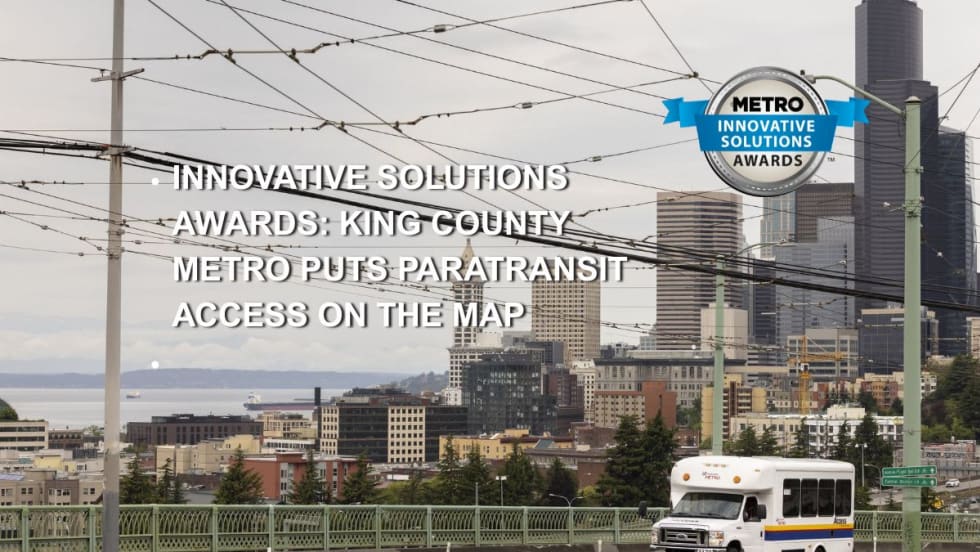
King County Metro Makes ADA Paratransit Easier to Navigate
METRO's Innovative Solutions Award winner replaces complex service-area descriptions with an accessible, interactive map that puts paratransit information directly in customers’ hands.
Read More →
Jacksonville’s NAVI Project Charts a New Course for Autonomous Public Transportation
Through its NAVI program, JTA is showing how autonomous vehicles, intelligent infrastructure, and coordinated operations can work together to deliver everyday public transportation.
Read More →
Driving Smarter Paratransit
John Hanlon shares how AlphaRoute is leveraging AI-powered technology to help paratransit providers optimize operations, support frontline staff, and enhance the rider experience.
Read More →
METRO Magazine Announces 2026 Innovative Solutions Awards Winners
Projects Recognized for Advancing Mobility Through Technology, Accessibility, Workforce Innovation, and Operational Excellence
Read More →
Biz Briefs: STV teams with Amtrak, Motorcoach Operators Boost Fleet and Land Contracts, and More
From manufacturers and suppliers to transit agencies and motorcoach operators, these updates offer a snapshot of the projects, partnerships and business moves driving the industry forward.
Read More →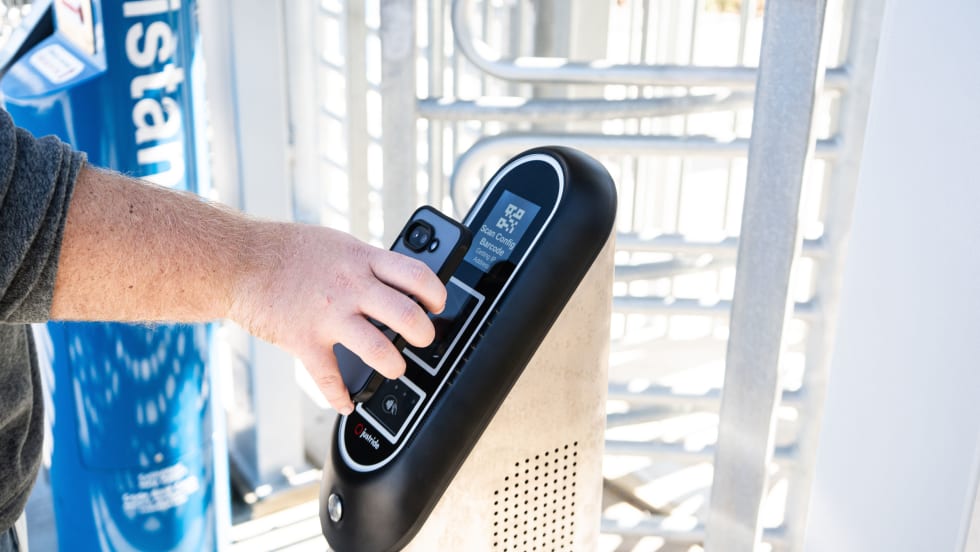
Biz Briefs: Masabi Teams with St. Louis Metro and More
In METRO's latest installment, we take a look at recent news from Transdev, Hitachi, and more partnerships making headlines across the transportation sector.
Read More →
New York MTA Leverages Zoning Program to Advance Station Accessibility
Accessibility enhancements at Nevins St Station will be financed through a development agreement tied to the MTA's Zoning for Accessibility initiative.
Read More →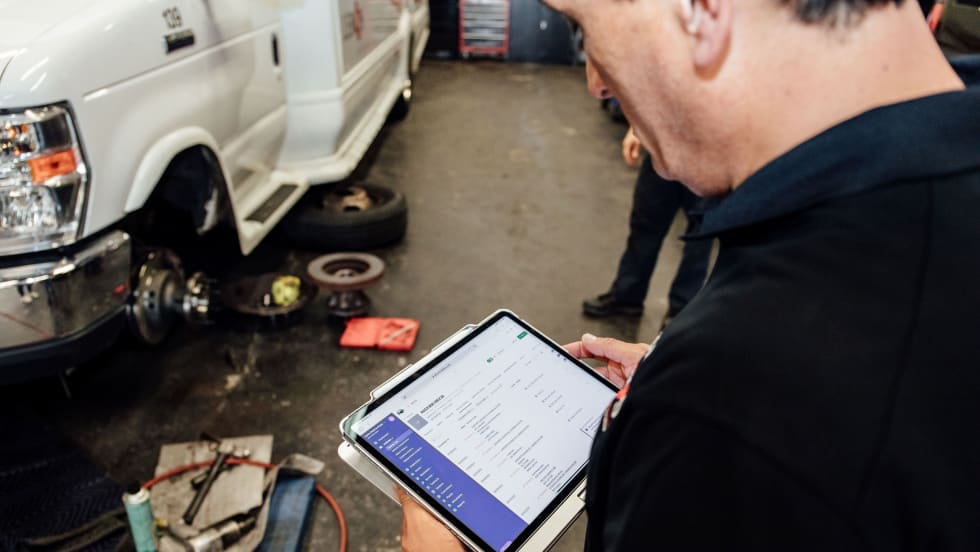
Reinventing Fleet Maintenance with Real-time Visibility and AI
Transit leaders need to know what needs fixing, where to look, who is responsible, when work is completed, and what it costs without having to chase information across disconnected systems.
Read More →