
Metro Magazine

 MENU
MENU SEARCHMENUSEARCH
Loading data...
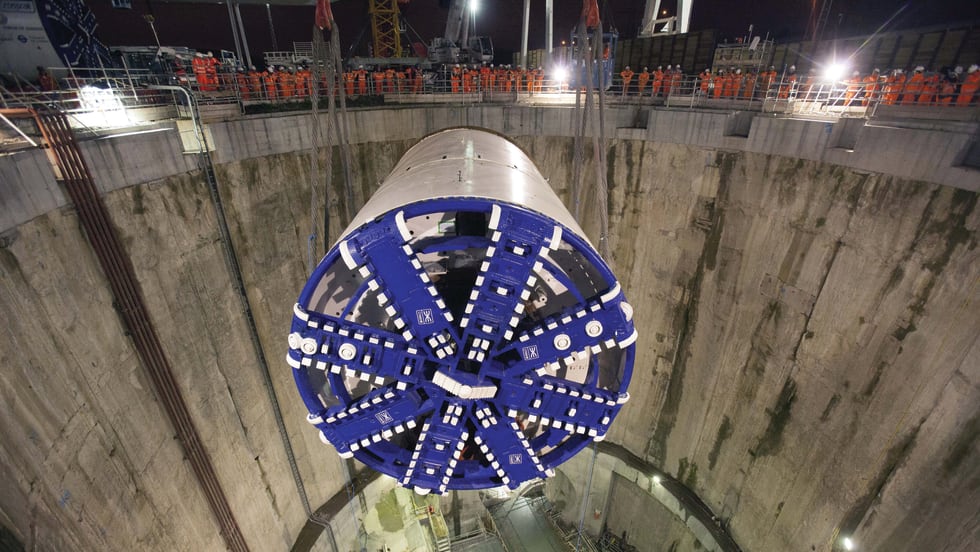
As one of Europe’s largest construction projects, Crossrail will transform rail transport in London, increasing rail capacity in central London by 10%, supporting regeneration and cutting journey times across the capital.
Read More →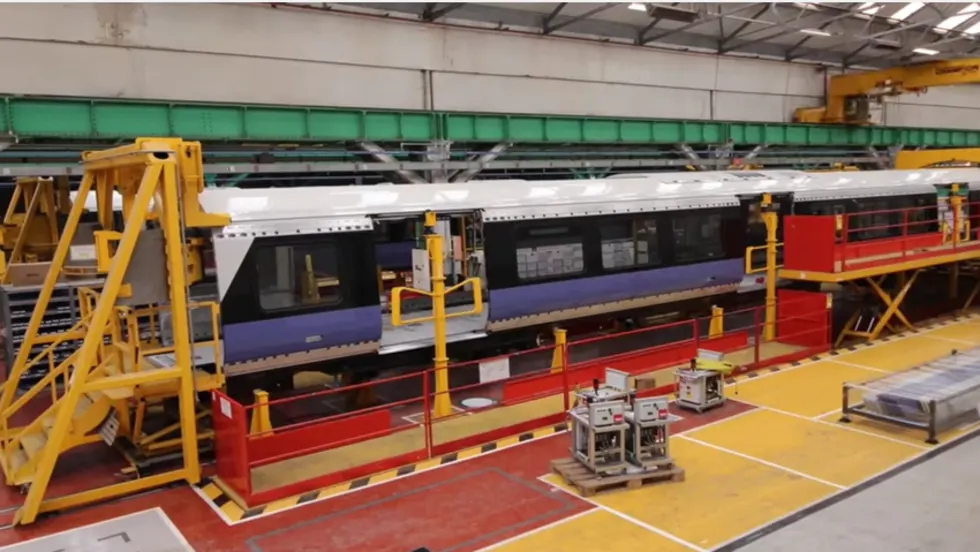
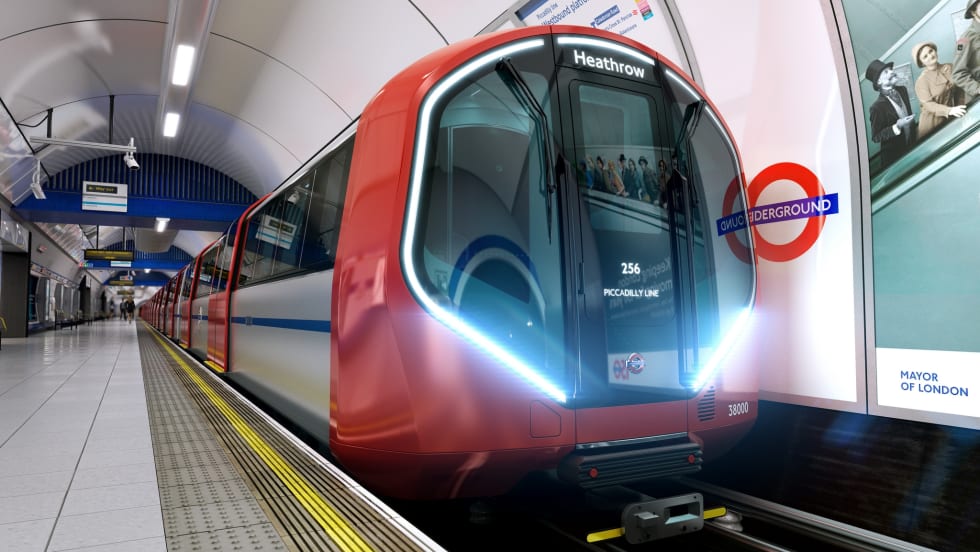
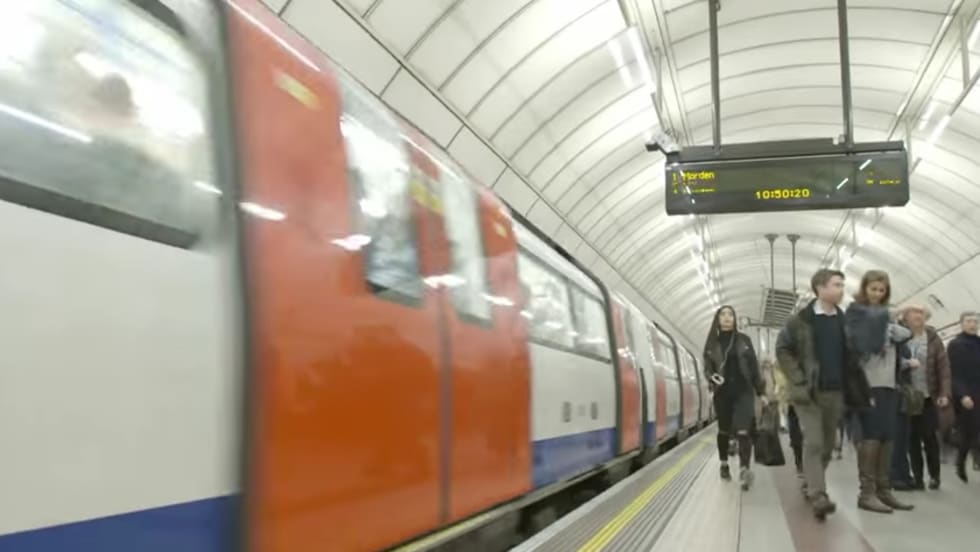
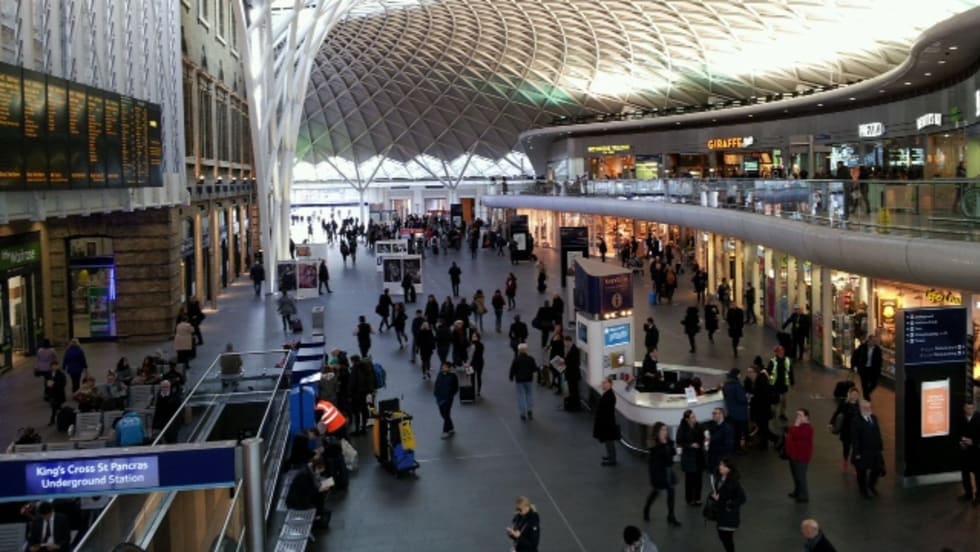
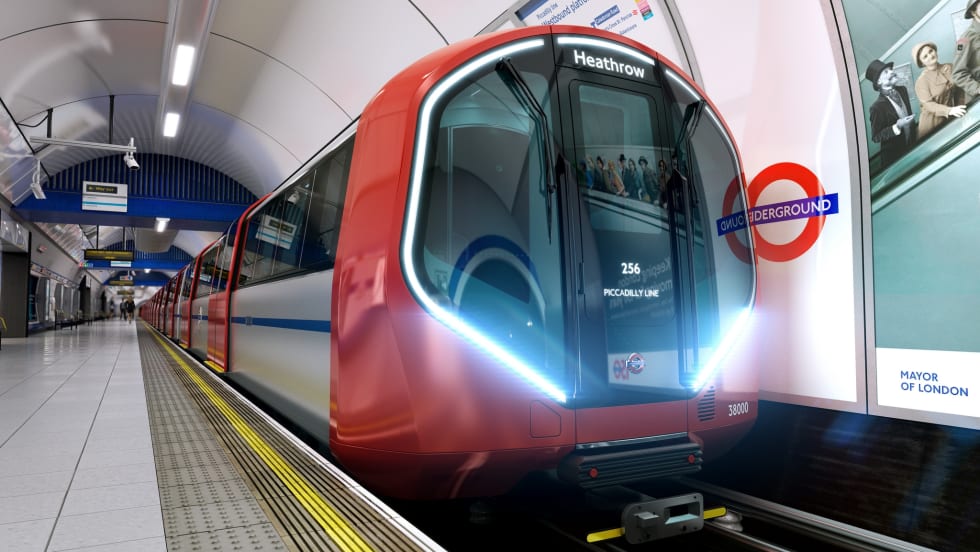
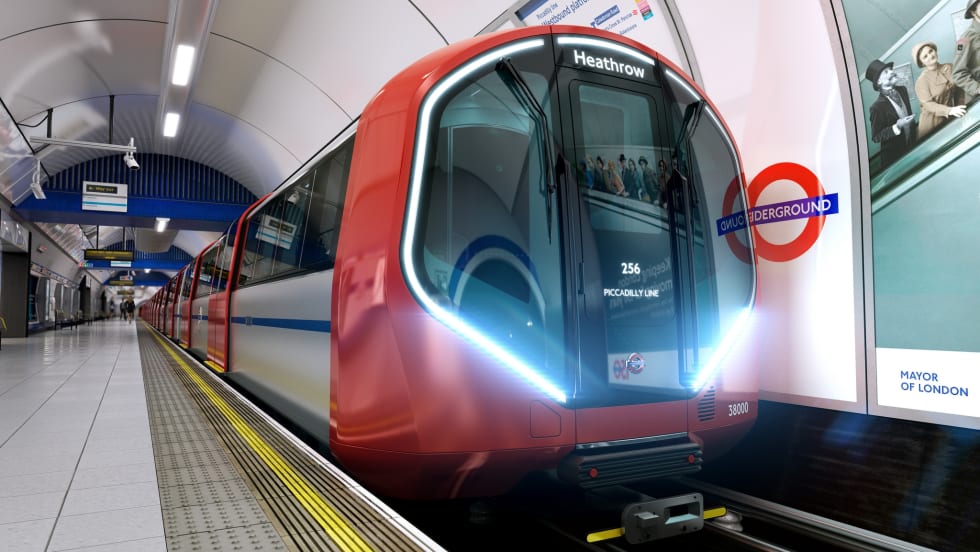
Time lapse showing an Elizabeth line train being build at Bombardier in Derby, England. The full-length trains will be able to accommodate 1,500 passengers.
Read More →Deal worth up to $19 million is a first for TfL and allows other cities around the world to benefit from London's contactless ticketing technology.
Read More →Pilot of new information service to provide live notifications of severe delays directly to customers' mobiles or computers to alert them more quickly. First time that Twitter has partnered with a transport authority to provide live travel information to customers using this innovative approach.
Read More →The backlash began last year when an ad appeared on TfL’s subway with a bikini-clad girl asking “Are You Beach Body Ready?” Mayor Sadiq Khan has pledged to ban the ads beginning next month.
Read More →Hesop works by converting and transferring any unused power, generated by the trains during braking, to the medium voltage loop for re-use within the network.
Read More →London is in the midst of a boom not seen since Victorian times. Both population and employment are rising fast. Former industrial areas are being reclaimed, while the urban area is constrained by an historic “green belt” put in place since the late 1940’s.
Read More →Launched in 2012, the contactless bankcard system was extended in 2014 to cover London’s entire transit network — including Tube, rail, bus and tram services.
Read More →The agency backed away from its decision because it gave the perception that it was "stepping back from providing the full-range of information" it currently provides to customers, which was not the intention.
Read More →Officials are reportedly in talks with Twitter to figure out if there is a way they can still use the service to update riders. Twitter recently changed the ordering of its feed from chronological to most popular.
Read More →