




RELATED: London rail, Twitter piloting live alerts for 'severe delays'
TfL, Cubic sign deal to license contactless ticketing system
Deal worth up to $19 million is a first for TfL and allows other cities around the world to benefit from London's contactless ticketing technology.
July 14, 2016
TfL
2 min to read
TfL
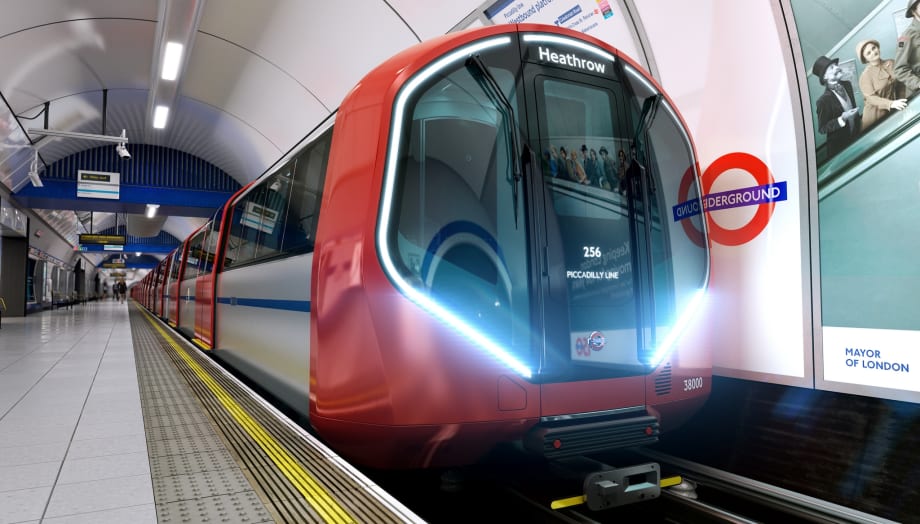
Transport for London (TfL) has announced its contactless ticketing system is set to be used by other major cities across the globe as part of a deal worth up to $19 million, which will be used to help deliver a fares freeze that the Mayor of London, Sadiq Khan has announced across TfL services for the next four years.
TfL signed a deal with Cubic Transportation Systems (CTS) allowing them to adapt the capital's contactless ticketing system worldwide. It is the first of a number of planned agreements to sell TfL's expertise both at home and abroad — a key manifesto commitment for the Mayor.
The licence will grant CTS access to London's contactless system, allowing it to be specifically tailored for other world cities' transport systems.
TfL and CTS have a long-running partnership, having worked together to introduce the Oyster card system in 2003 as well as working together with the UK card industry to make TfL the first public transport provider in the world to accept contactless payment cards. The contactless payment system was first launched on London's buses in December 2012 and expanded to cover Tube and rail services in London in September 2014.
Since then, more than 500 million journeys have been made by more than 12 million unique credit and debit cards from 90 different countries, as well as using contactless-enabled mobile devices. Around one in 10 contactless transactions in the UK are made on TfL's network, making it one of the largest contactless merchants worldwide.
Outside London, CTS also provides smartcard ticketing technology to a number of world cities, including Sydney, Brisbane, Vancouver and Chicago. This new non-exclusive agreement will also enable them to combine the best features from the London and other Cubic systems and make them available to other cities across the globe.
More Management

METRO Opens Submissions for 2026 Motorcoach Awards
Nominations are now being accepted for METRO Magazine’s Operator of the Year and Innovative Operator of the Year awards.
Read More →
New York MTA Advances Final Contract for Second Avenue Subway Expansion
Contract Four is the largest in the Second Avenue Subway Phase 2 project and includes construction of station infrastructure, tracks, and signals for the subway expansion, MTA officials said. Work on Contract Four will begin in 2027.
Read More →
Transit Agencies Highlight Safety Gains at National Summit
Leaders from 15 major transit systems shared crime-reduction results and safety initiatives while discussing the role of continued federal support.
Read More →

NITA Names New Leadership, Expands Reduced-Fare Program at First Board Meeting
The new regional transit authority appointed its first board chair and interim executive director while extending reduced fares across CTA, Metra, and Pace for eligible riders.
Read More →
Beyond the Checklist: A Structured Approach to Transit Maintenance
Reliability-Centered Maintenance helps transit agencies move beyond routine checklists to focus limited resources on the assets and failures that have the greatest impact on safety, reliability, and service.
Read More →
APTA 2026 Nominating Committee Selects Leadership Slate, Names Chair and Vice Chair Nominees
Leadership changes will help shape the association’s priorities and its representation of the transportation industry during the 2026–2027 term.
Read More →
DART Launches Major Security, Fare Enforcement Initiative
The 90-day demonstration will deploy coordinated security teams at five light rail stations while testing controlled access and gathering data to guide future investments.
Read More →
Sponsored•September 9, 2026
Advancing Fare Collection Through Technology and Innovation
Learn about delivering 1300 gates at 91 stations while managing fare evasion. Explore the large scale deployment, solution customization and real-world results that affect the region. Prepare for deployment in your region now.
Read More →
Game Day in Motion: Moving Millions During the 2026 World Cup
Between packed transit stations and team motorcoaches, see how agencies and operators across North America tackled the transportation demands of the 2026 FIFA World Cup.
Read More →
Surface Transportation Extension Averts Shutdown, Leaves Transit Funding Gap
The stopgap keeps federal transportation programs moving, but missing advance funding could complicate the transit and rail projects agencies are planning next.
Read More →