
Metro Magazine

 MENU
MENU SEARCHMENUSEARCH
On the heels of the one-year anniversary of the expiration of the previous multi-year surface transportation bill, APTA officials, along with public transportation riders from around the country, shared stories of how public transportation has benefited their lives at an event in Washington, D.C., blocks away from the Capitol building.
Read More →Previous to this quarter's ridership increase, public transit use had declined in the past five quarters due to high unemployment, the economic recession, and lower state and local revenue. Demand response (paratransit) increased in the second quarter of 2010 by 1.6 percent.
Read More →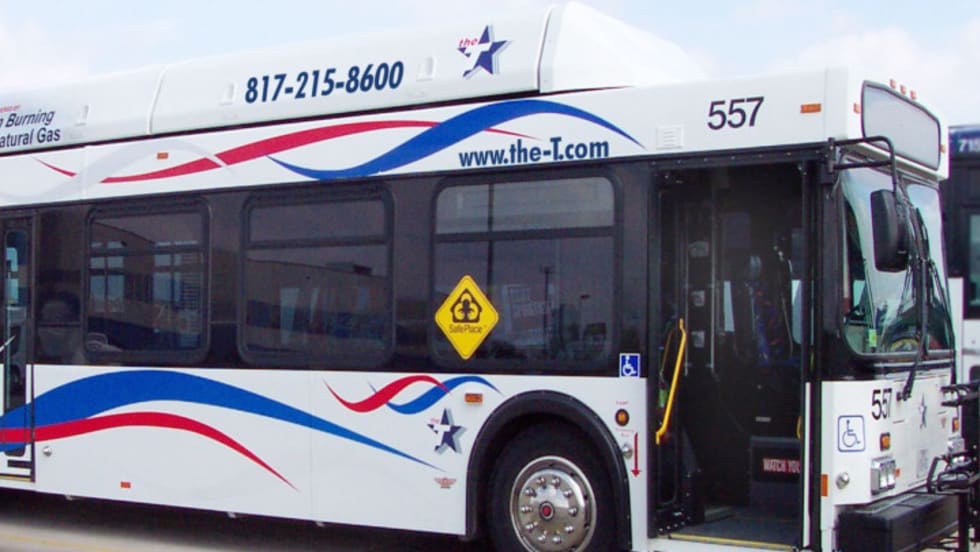
The Natural Gas Coalition will hold a meeting and reception at the American Public Transportation Association's (APTA) 2010 Annual Meeting in San Antonio, Texas, this October.
Read More →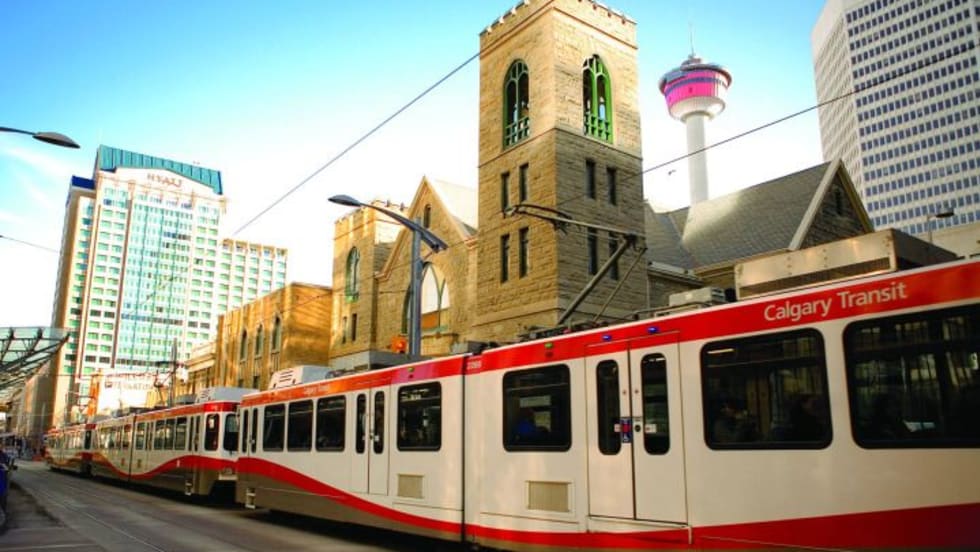
Following the death of a three-year-old boy at a C-Train platform in June, Calgary Transit sought a peer-reviewed safety audit from the American Public Transit Association (APTA), added signage to platforms in train interiors and plans to post a video with safety information on its Website.
Read More →While on the face of it the proposal sounds like a great idea, the changes miss the real solution to building the U.S. transit supply side and could worsen American companies' ability to compete overseas.
Read More →The assumption is that a person making a switch to public transportation would likely purchase an unlimited pass on the local transit agency, typically available on a monthly basis.
Read More →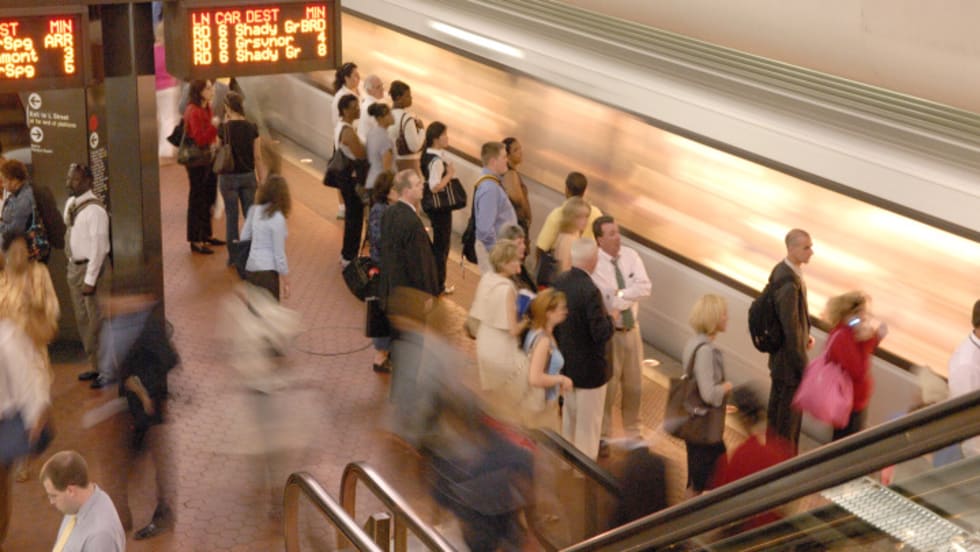
Transportation activity also plays a role in lessening an individual's risk in five of the 10 leading causes of reduced lifespan, as identified by the Centers for Disease Control and Prevention.
Read More →All of the industry's sectors need to work together to make the case for additional public transportation investment and service.
Read More →
This economic train wreck may be avoided if business leaders, transit riders, local elected officials and others rise up and demand that politicians inside the Beltway stop the nonsense and enact the sensible federal transportation law that is long overdue.
Read More →The public transportation industry is encouraging its riders, the public and its employees to make a $10 donation to the NRDC Gulf Coast Recovery Fund by texting TRANSIT on their mobile phones to 25383.
Read More →