



Proposed Buy America changes miss the real solution
While on the face of it the proposal sounds like a great idea, the changes miss the real solution to building the U.S. transit supply side and could worsen American companies' ability to compete overseas.
A new law recently introduced by California Congressman John Garamendi (D-Sacramento) would toughen existing Buy America rules governing public transportation procurements. While on the face of it the proposal sounds like a great idea, the changes miss the real solution to building the U.S. transit supply side and could worsen American companies' ability to compete overseas.
Waiver elimination
"Buses, Rail Cars, Ferryboats: Make it in America Act of 2010 (H.R. 5791)" is one of three bills that Garamendi introduced on the same day this past July. This bill would eliminate all but one of the waivers to the Buy America requirement for rolling stock. Current law allows agencies and manufacturers to request a waiver for non-availability of the components or systems in the U.S., use of microprocessors and other reasons that the FTA deems in the public interest.
Under Garamendi's bill, if passed, transit agencies would be allowed a waiver for one remaining reason: if procurement from a domestic supplier increases costs by 25 percent or more. His other bills would encourage purchases of domestically produced alternative energy technologies and close loopholes that he and others say encourage the shifting of jobs overseas.
"Middle class wages in America have stagnated for three decades, and our country's future success depends on bringing back good manufacturing jobs," Garamendi says.
Tougher rules
All this is well intentioned, and there is certainly some merit in wanting to see the rules for waivers tightened. However, the FTA has not exactly been overwhelmed with waiver requests in the past two years, with almost half of them being denied anyway.
Any overtly tougher Buy America rules would probably cause some retaliation by other countries. Many were already complaining when some wanted tougher requirements in the 2009 stimulus bill, and threatened to do the same for their industries in their own stimulus packages.
The real solution to growing the supply side is to pass the main recommendations of the Apollo Alliance's reports issued on the bus and rail industries. In addition to some research and technical assistance, the Alliance strongly urges Congress and the president to pass a full authorization bill with the funding guarantees as in the past. I strongly agree. The real threat to our domestic industries and the jobs they create is the lack of orders.
More Rail
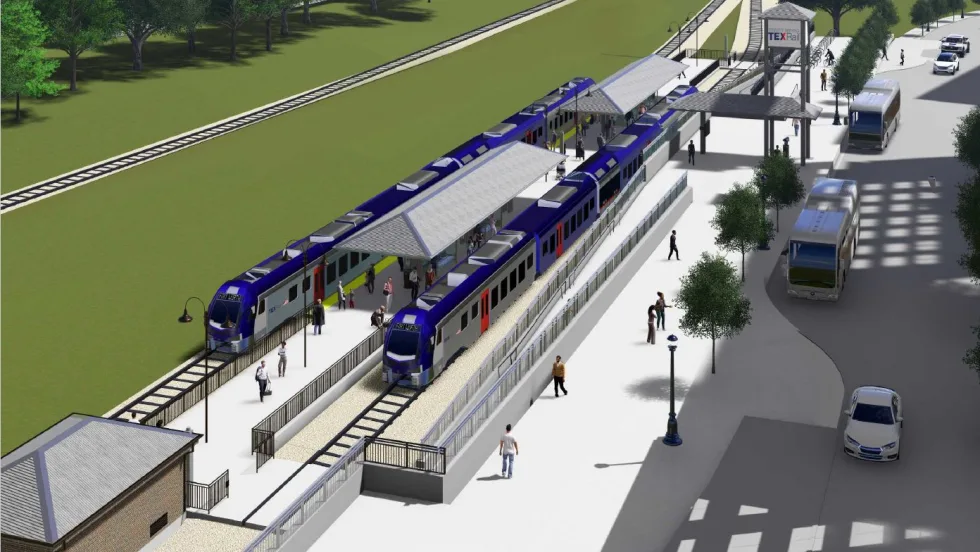
Trinity Metro Breaks Ground on $270M TEXRail Extension
The 2.1-mile extension will connect Fort Worth’s Medical District and Near Southside to downtown, surrounding communities, and Dallas-Fort Worth International Airport.
Read More →
Bringing Austin’s First Light Rail System to Life
Austin Transit Partnership CEO Greg Canally discusses the city's nearly 10-mile light rail project, its collaborative approach to project delivery, the importance of community engagement, and the milestones ahead as construction approaches in 2027.
Read More →
Metra Draft Plan Outlines Costs, Service Improvements for Regional Rail
The Systemwide Network Plan identifies infrastructure needs and potential investments to expand all-day, bidirectional rail service across the Chicago region.
Read More →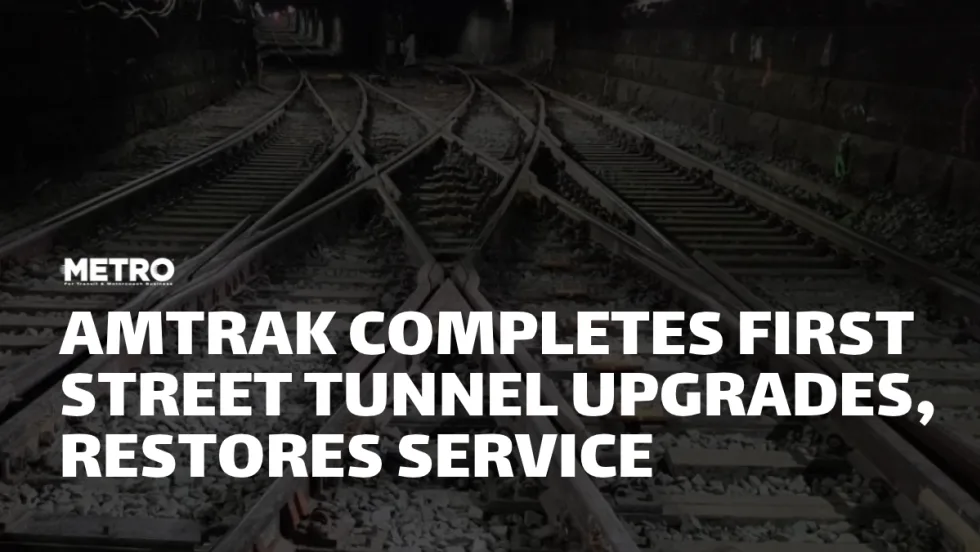
Amtrak Completes First Street Tunnel Upgrades, Restores Service
The nine-day construction project included replacing aging track infrastructure and modernizing switch systems near Washington Union Station.
Read More →
FRA Announces $2.3B for Passenger, Freight Rail Projects Nationwide
The CRISI Grant Program funding will support rail infrastructure improvements, safety upgrades, and projects aimed at improving freight and passenger rail service across 45 states and Washington, D.C.
Read More →
Caltrain’s Electrification Drives a New Era of Ridership Growth
The railroad’s shift to electric service has brought more frequent trains, stronger customer satisfaction, and increased ridership, earning it APTA’s Outstanding Public Transportation System award.
Read More →
FTA Advances $164M Broward County Commuter Rail Project
The proposed 10.5-mile commuter rail extension would connect Fort Lauderdale and Aventura, expanding passenger rail options in South Florida.
Read More →
New York MTA Launches Historic $1.9B Signal, Track Modernization Project
Funded in part by congestion pricing revenue, the project will replace nearly century-old signals along the A and C lines in Brooklyn and Queens.
Read More →
LA Metro Breaks Ground on East San Fernando Valley Light Rail Project
The 6.7-mile line will add 11 stations along Van Nuys Boulevard, expand access to jobs and regional transit connections, and support Metro’s broader efforts to improve mobility as rail ridership grows.
Read More →
CSA Group Releases Climate Resilience Standard for Transit, Passenger Rail
Developed with support from the Standards Council of Canada, CSA D700 guides assessing climate-related risks and planning adaptation measures for transit and passenger rail systems.
Read More →