
Metro Magazine

 MENU
MENU SEARCHMENUSEARCH
Loading data...
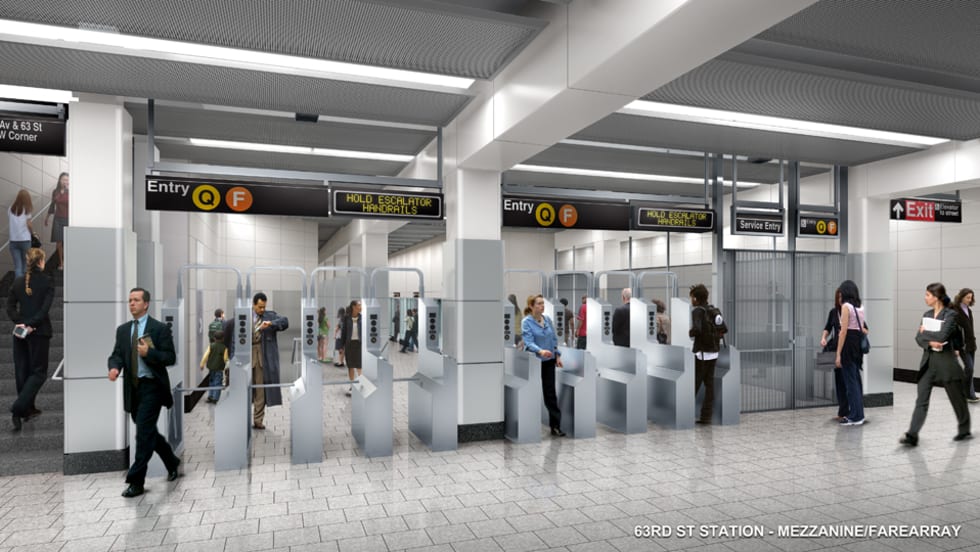
New York City's Second Avenue Subway will be the first major expansion of the subway system in over 50 years. When fully completed, the line will stretch 8.5 miles along the length of Manhattan's East Side, from 125th Street in Harlem to Hanover Square in Lower Manhattan. In addition, a track connection to the existing 63rd Street and Broadway Lines will allow a second subway line to provide direct service from East Harlem and the Upper East Side to West Midtown via the Broadway express tracks.
Read More →
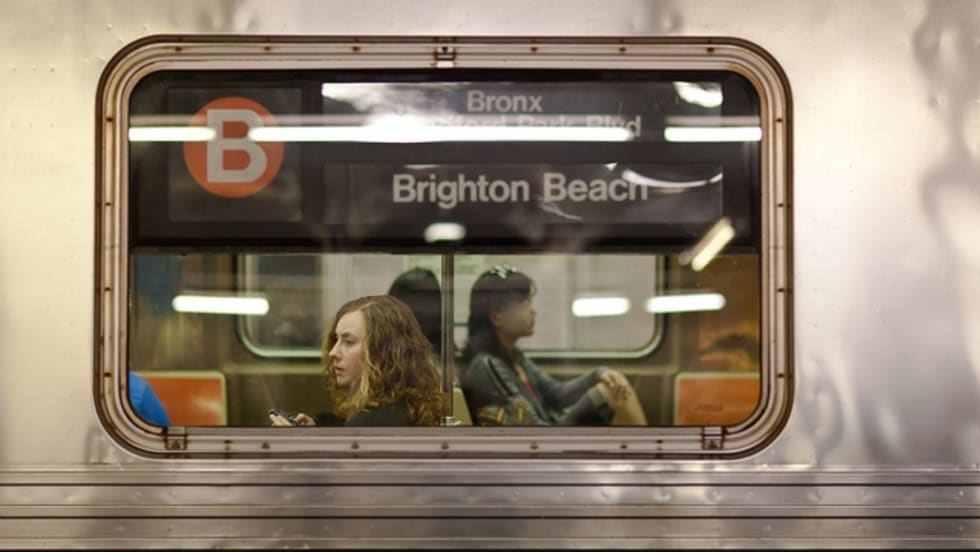


The agency's lawyer sent a letter to Judge John Koeltl on Friday. The judge had ordered the MTA to accept a pro-Israel advocacy group's political advertisement because it is protected speech. The MTA’s lawyer said the agency has long considered revising its advertising policy and that the vote was not a hasty reaction to the judge’s ruling.
Read More →What do transit authorities like SEPTA, MBTA, MTA and BART have in common other than transporting thousands, even millions of riders every day?
Read More →The ads, commissioned by the American Freedom Defense Initiative, were blocked by the MTA last year, after the authority argued they might incite violence. The group argued that the MTA’s move was a violation of free speech.
Read More →The increased number of customers creates challenges for the MTA to operate the subway system while minimizing delays, crowding and inconvenience. The subway system has traditionally performed maintenance work during off-peak hours, which are now experiencing record ridership.
Read More →The agency agreed to implement stronger anti-fraud controls recommended by the inspector general’s office. The report doesn’t identify who carried out the fraud or quantify the cost to the MTA.
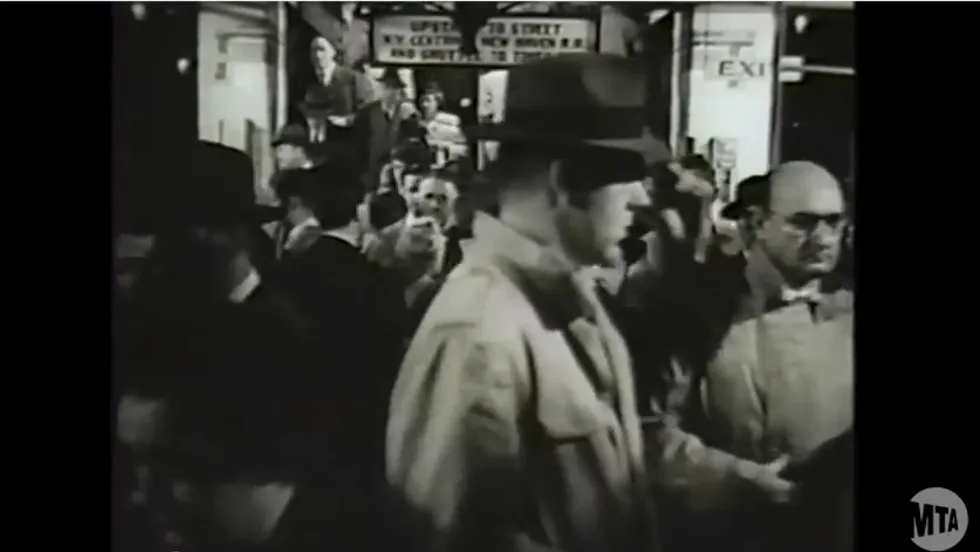
Read More →From the New York Transit Museum Archives, a 1949 film about daily subway operations.
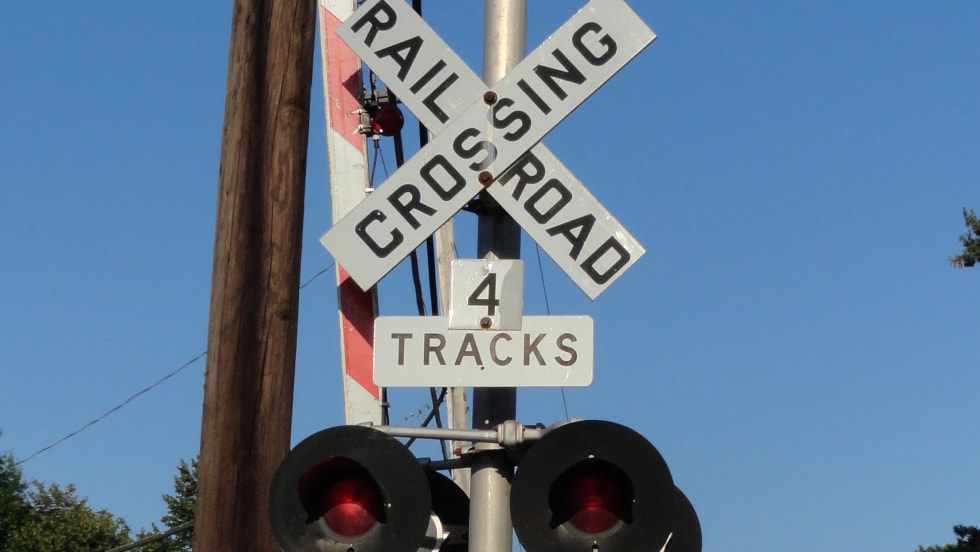
Read More →In the aftermath of the horrific February collision in Valhalla that killed six people, New York’s Metropolitan Transportation Authority police are cracking down on drivers who try to beat the gates at railroad crossings.
Read More →The agreement with NYCT and 4ONE will help boost Buffalo’s economy by bringing critical, highly skilled and well-paying manufacturing jobs to the area.
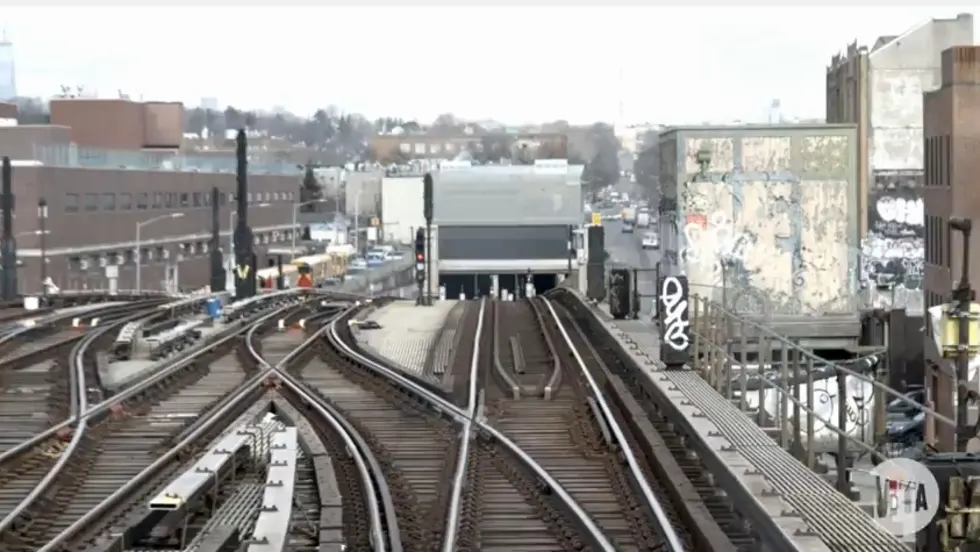
Read More →Take a ride on a Track Geometry Car, part of the specialized fleet that inspects the rails of the NYC subway.
Read More →