
Metro Magazine

 MENU
MENU SEARCHMENUSEARCH
Loading data...
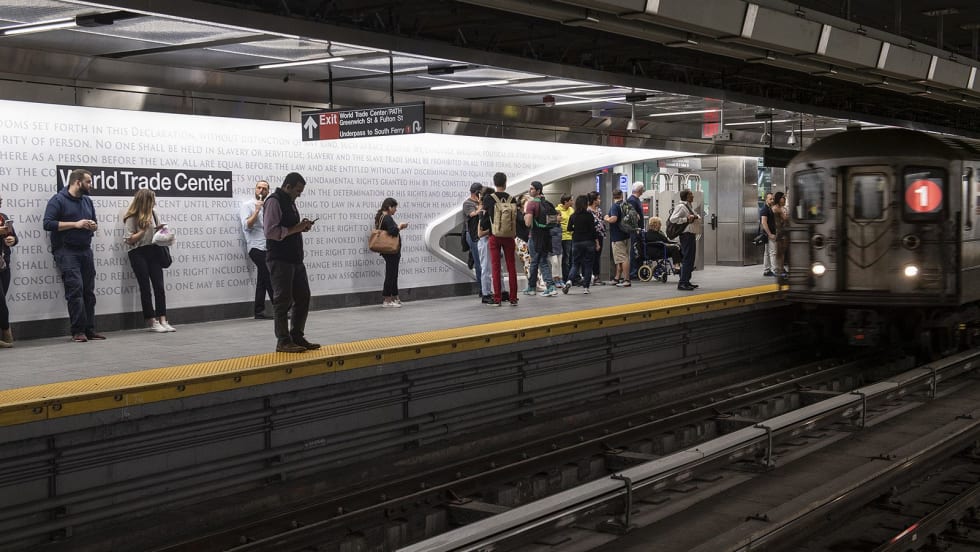
Focus areas include technology and process innovation in infrastructure, data, operations, customer service, and revenue generation.
Read More →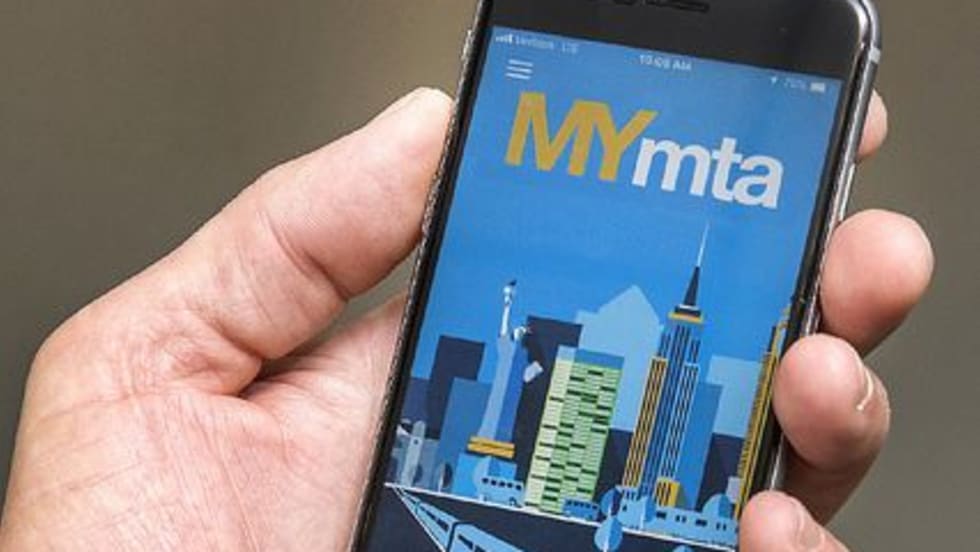
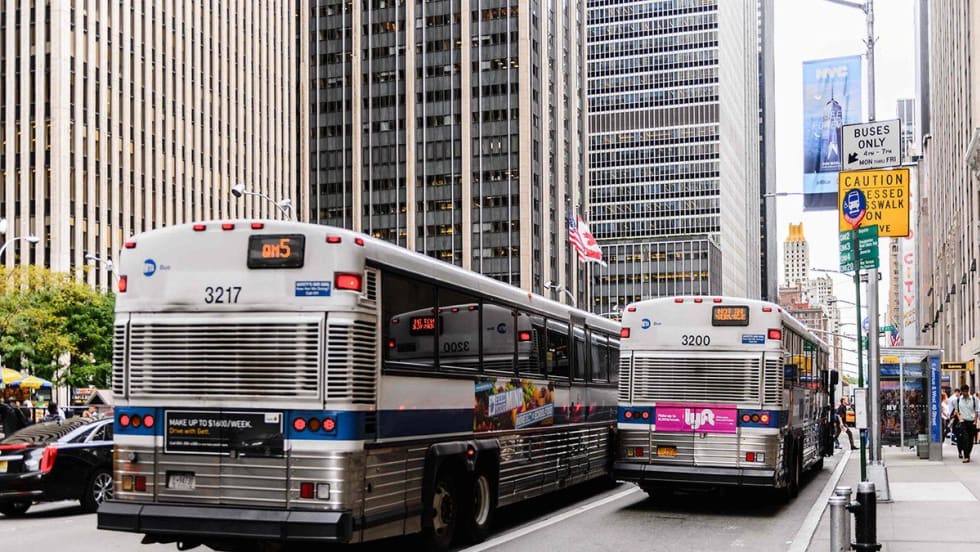
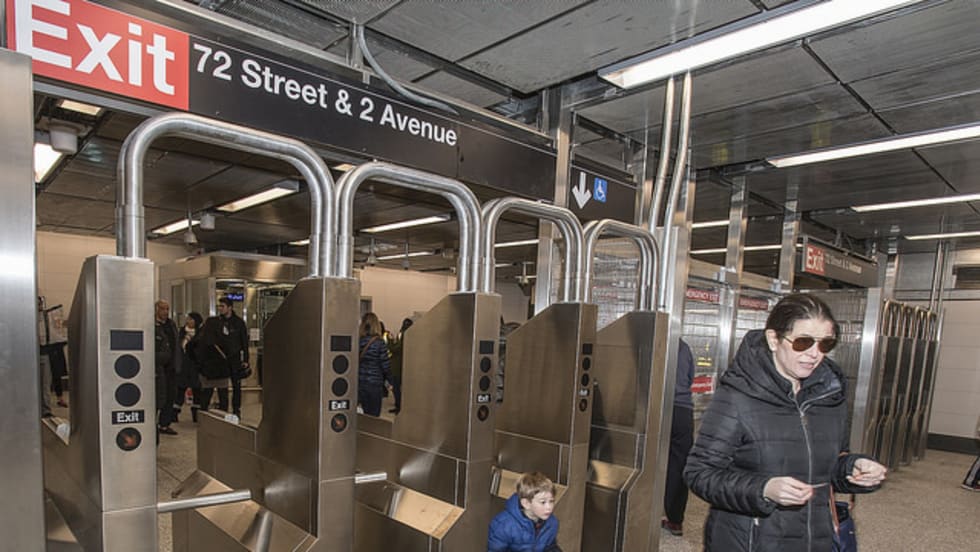
Includes real-time arrival info for trains and buses, and a unified trip-planning function for travel across the network.
Read More →Company will remotely monitor the performance of the stations, plus make regularly scheduled on-site visits and conduct annual fuel quality tests.
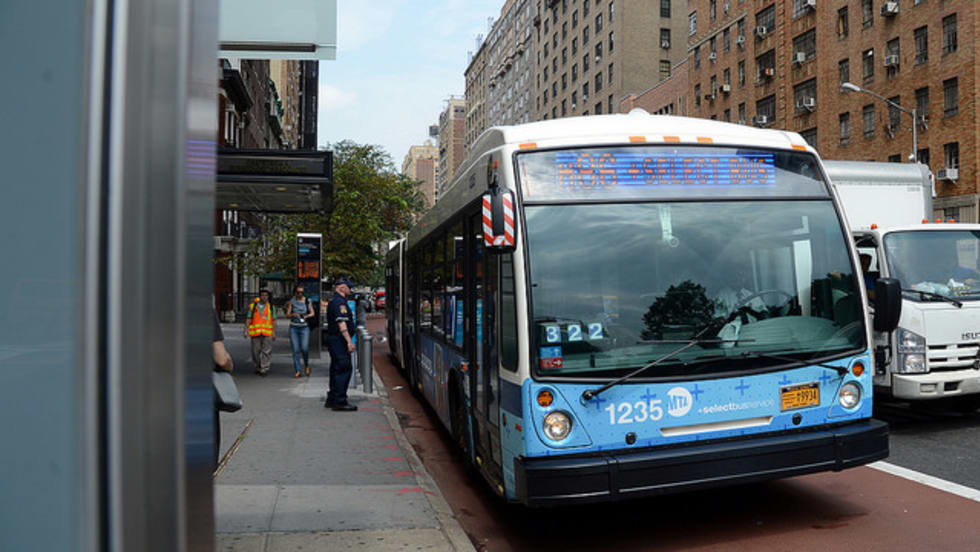
Read More →The data on the bus performance dashboard is based on farebox, GPS, and other information and can be filtered by borough; types of service, such as local/limited, express, or Select Bus Service; and time periods, such as weekday peak or off-peak hours.
Read More →The company's submission, PTCS-2, provides an increase in train operating efficiency and safety with significant reductions in cost and deployment time compared to legacy train control systems.
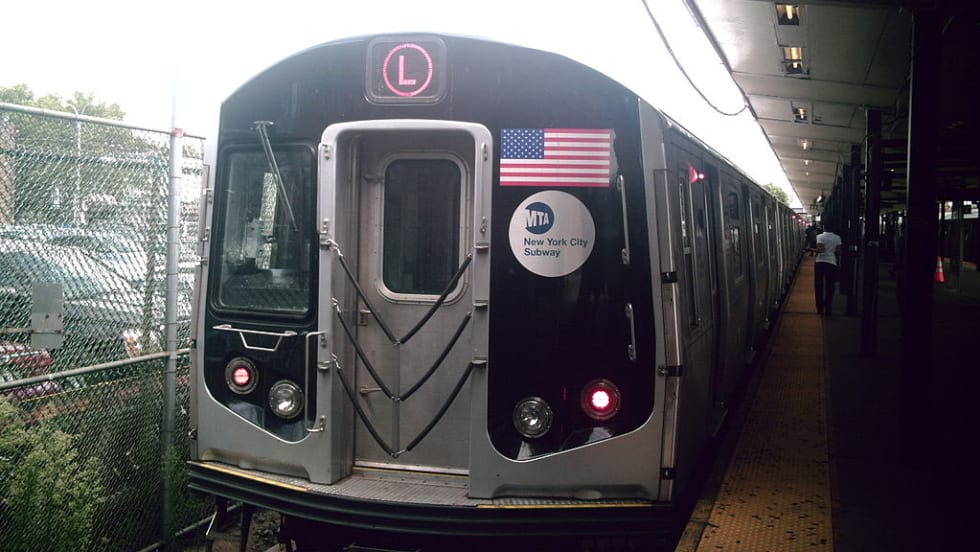
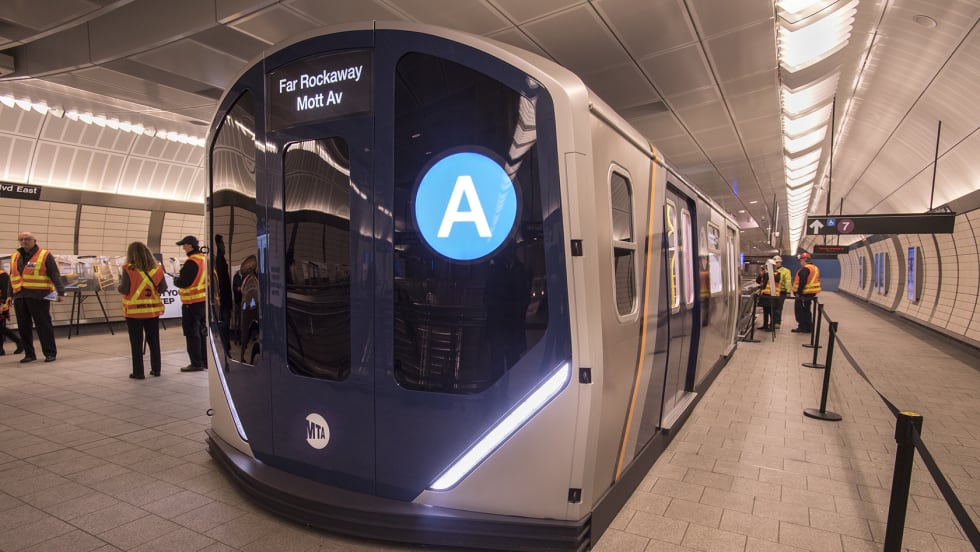
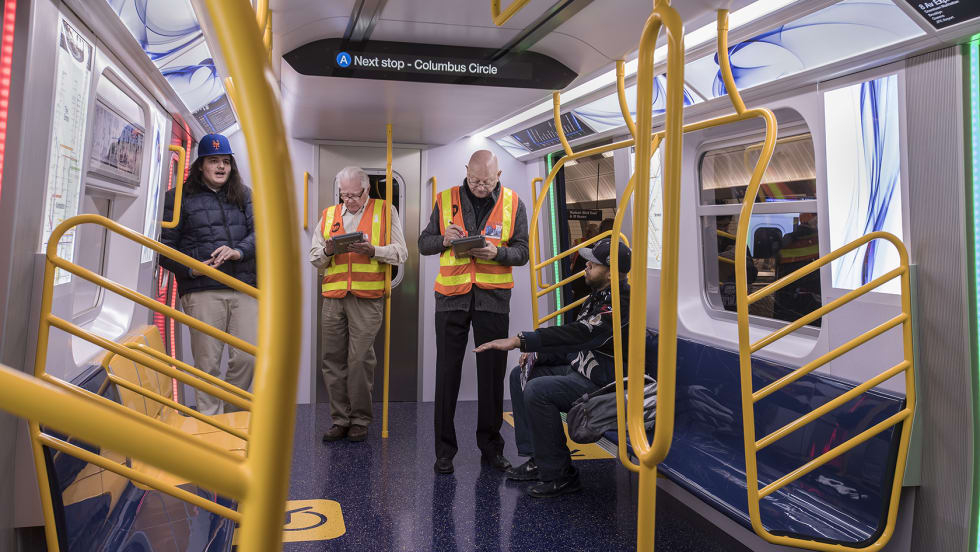
Read More →The MTA Board recently approved the purchase of 535 state-of-the-art, next-generation R211 subway cars. Prior to the approval, NYC Transit presented prototypes of the new cars at 34 Street -Hudson Yards to seek customer feedback, as well as introduce the future of the New York City subway to the public.
Read More →As part of the contract awarded to Kawasaki Rail, the new subway cars will be built in New York and Nebraska.
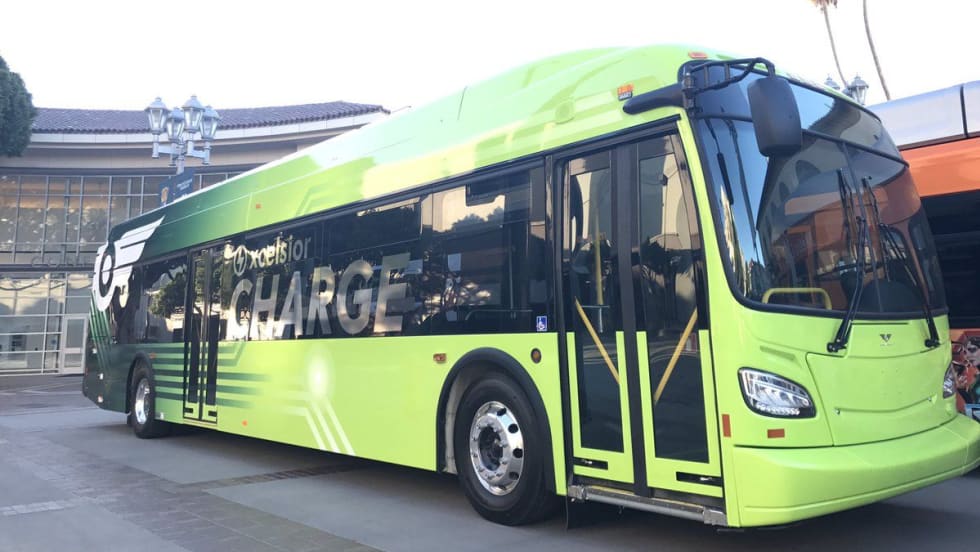
Read More →The program introduces leased zero-emission buses and rapid chargers to the NYCT network and supports New York’s commitment to protect the environment, reduce emissions, and fight climate change.
Read More →The average New York City Transit bus travels 7.4 miles per hour along its local, SBS, and express routes — slowest among the seventeen largest bus companies in the nation, according to a city comptroller report.
Read More →The new account-based system will allow customers a variety of convenient self-service options to manage their account, including via the web and on mobile devices.
Read More →