



New York MTA's Hugh L. Carey Tunnel Lands ASCE Landmark Status
The Hugh L. Carey Tunnel is the fourth MTA-owned property to be granted landmark status by the ASCE.

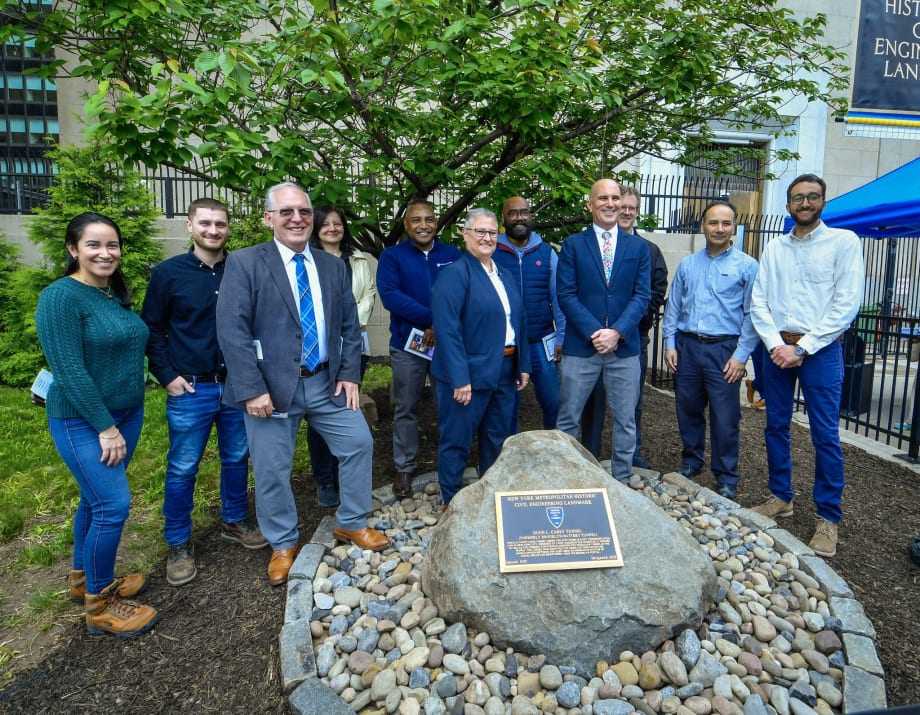
A plaque, which has been installed outside the tunnel ventilation building on the Manhattan side.
New York MTA
- The Hugh L. Carey Tunnel has been designated as a landmark by the American Society of Civil Engineers (ASCE).
- This designation marks the tunnel as the fourth property owned by New York's MTA to receive this recognition.
- The ASCE landmark status highlights the tunnel's significance in engineering and infrastructure.
*Summarized by AI
New York’s Metropolitan Transportation Authority (MTA) announced the Hugh L. Carey Tunnel has been designated a New York Metropolitan Historic Civil Engineering Landmark by the American Society of Civil Engineers (ASCE).
A plaque, which has been installed outside the tunnel ventilation building on the Manhattan side, reads:
“This 9,117-foot-long tunnel under the East River is a key transportation link in New York City. Designed by Chief Engineer Ole Singstad, it opened in 1950 as the world's longest continuous underwater vehicular tunnel. The tunnel was constructed using cut-and-cover and shield-driven methods and also used an innovative system of radial wells for dewatering near its Brooklyn portal.”
“Today’s dedication is a welcome recognition of the innovative engineering that went into the construction of this tunnel, a critical link in the City’s vehicular transportation network,” said MTA Bridges and Tunnels President Catherine Sheridan.
The Hugh L. Carey Tunnel
The Hugh L. Carey Tunnel is the fourth MTA-owned property to be granted landmark status by the ASCE.
The first segment of the New York City subway, which ran nine miles from City Hall to 145th Street and Broadway, was designated as a National Historic Civil and Mechanical Engineering Landmark in 1977. The Triborough/Robert F. Kennedy Bridge Project and Grand Central Terminal were named National Historic Civil Engineering Landmarks in 1986 and 2012, respectively.
The tunnel’s twin tubes carry a total of four lanes of traffic. They are a vital connection between Brooklyn and Manhattan, serving more than 60,000 vehicles each weekday, including 30 different express bus routes that operate between Manhattan and Staten Island or Brooklyn.
President Franklin D. Roosevelt presided over the groundbreaking ceremonies for what was originally called the Brooklyn-Battery Tunnel on October 28, 1940. Expected to last four years, the project took 10 years to complete due to labor and material shortages during World War II.
The tunnel opened to traffic on May 25, 1950, when the one-way toll was 35 cents. The current one-way toll is $12.03 (or $7.46 with E-ZPass).
The Brooklyn-Battery Tunnel was the fourth major vehicular tunnel to open in New York City, following the Holland Tunnel in 1927, the Lincoln Tunnel in 1937, and the Queens-Midtown Tunnel in 1940.
In 2012, the Brooklyn-Battery Tunnel was renamed in honor of former New York Governor and Congressman Hugh L. Carey, who died in 2011.
The 1.7-mile Hugh L. Carey Tunnel remains the longest continuous underwater vehicular tunnel in the US and the second longest in the world, behind the 14.5-mile Seikan Tunnel in Japan.
Quick Answers
The Hugh L. Carey Tunnel is a tunnel in New York City owned by the Metropolitan Transportation Authority (MTA) that connects Manhattan and Brooklyn.
*Summarized by AI
More Rail

Scenes from APTA TRANSform & EXPO 2026
Transit leaders, manufacturers, and industry professionals gathered in Chicago to explore new technologies, share ideas, and discuss the future of public transportation.
Read More →
USDOT Awards $416 Million for Florida Rail Crossing Safety Upgrades, New Brightline Station
The projects aim to reduce risks for motorists and pedestrians at rail crossings while expanding passenger rail access along Florida’s Space Coast.
Read More →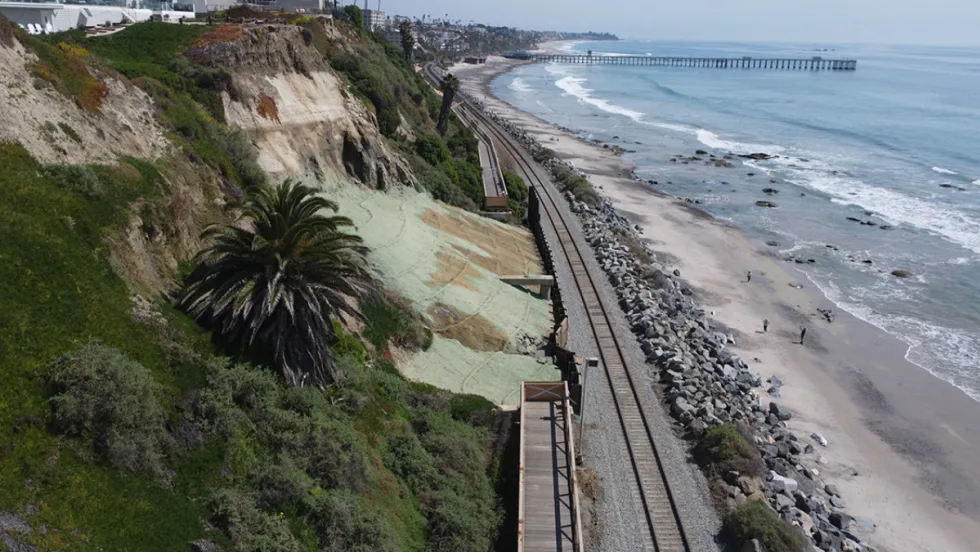
OCTA Declares Emergency to Protect Rail Corridor From Coastal Erosion
The California agency is accelerating shoreline protection and plans to place approximately 690,000 cubic yards of sand along the San Clemente coast to protect a key passenger and freight rail link.
Read More →
More Than a Summer Job: Building the Next Generation of Transit Talent
The Delaware River Port Authority and PATCO have transformed their internship program into a hands-on professional development experience that introduces students to the breadth of transportation careers — and creates a pipeline for future employees.
Read More →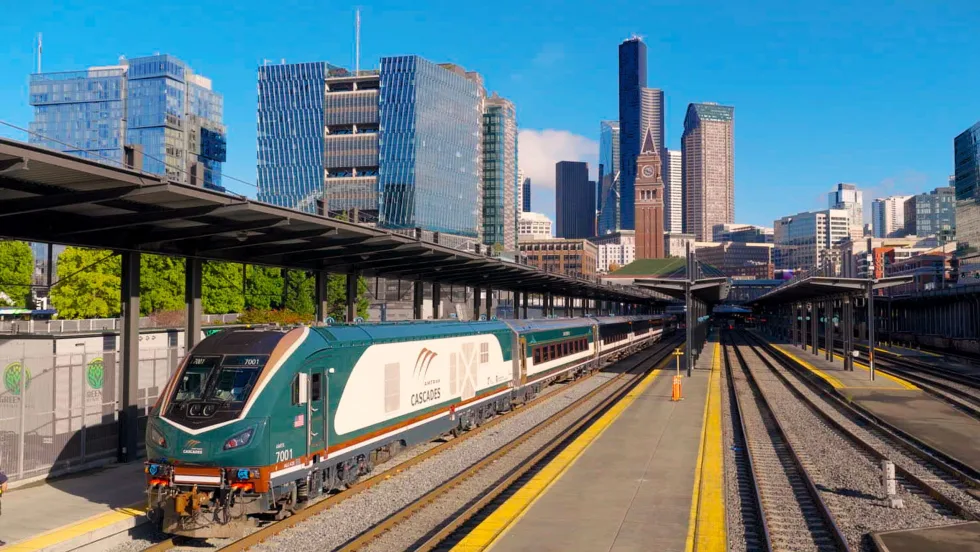
Airo Trains Make Their Amtrak Cascades Debut in the Pacific Northwest
Effective immediately, two cutting-edge Airo trainsets will join the Amtrak Cascades route, operating four daily trips between Vancouver, B.C., Seattle, Portland, and Eugene, Oregon, marking the first introduction of Airo trains into passenger service anywhere in the country.
Read More →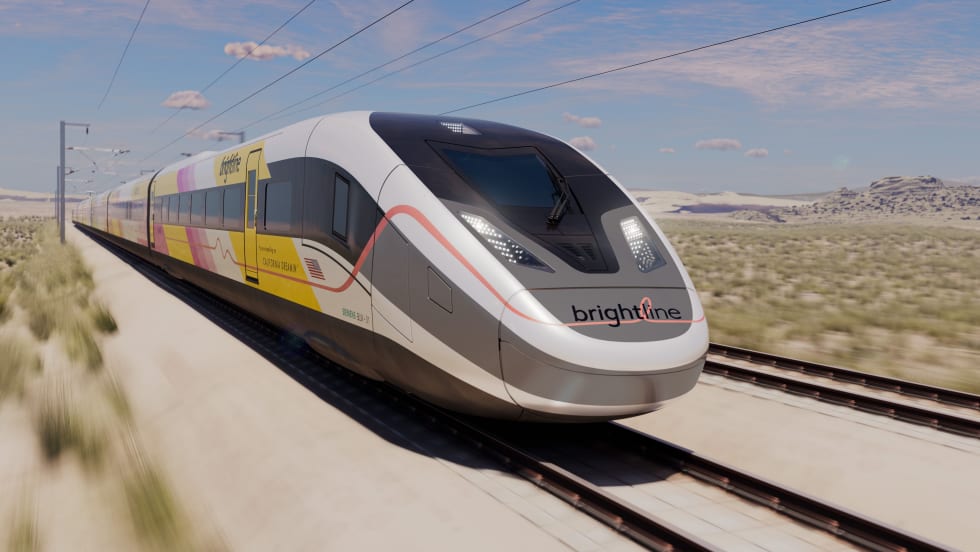
Florida's Brightline Announces Financial Restructuring
Brightline Florida says train operations will continue as normal as certain parent entities enter Chapter 11 and financial stakeholders provide $490 million in new long-term capital.
Read More →
ENC Lands MATA Contract and More in Biz Briefs
In this edition of Biz Briefs, we spotlight the latest developments shaping the future of mobility.
Read More →
Strada360’s Steve Lassey on Turning Transit Data Into Better Decisions
From breaking down data silos to preparing for AI, Strada360 CEO Steve Lassey discusses how transit agencies can use technology to improve operations, customer information, and long-term decision-making.
Read More →
SEPTA Details Accelerate Vision for Transit System
The plan outlines investments in trolley modernization, new Metro and Regional Rail vehicles, accessible stations, and more frequent bus and rail service.
Read More →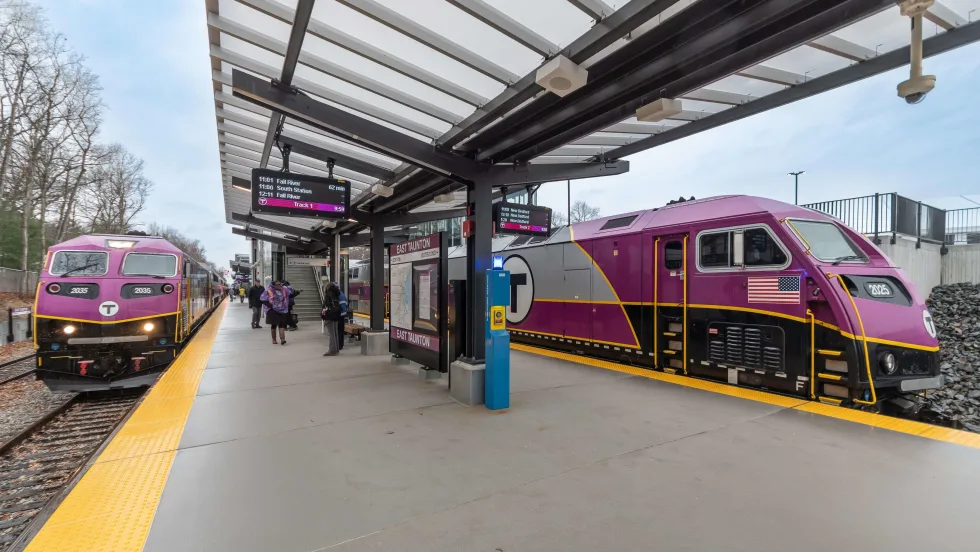
FTA Ends Direct Oversight of MBTA Safety Actions
The federal agency closed its remaining special directive to the Massachusetts Department of Public Utilities following a safety review that began in 2022.
Read More →