
Metro Magazine

 MENU
MENU SEARCHMENUSEARCH
Loading data...
Customer benefits include direct, non-stop service; requesting a trip for same-day service; and flexibility to schedule a reservation up to 30 days in advance.
Read More →
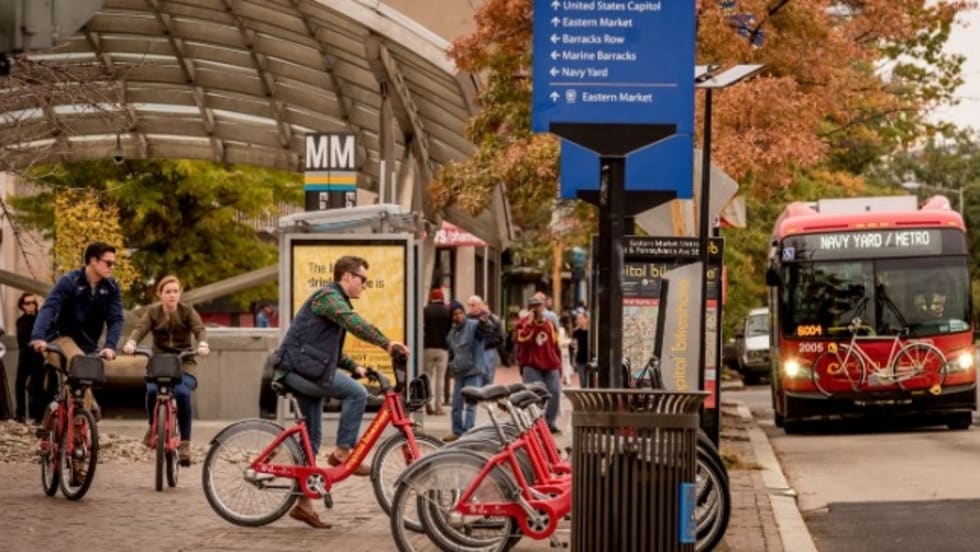
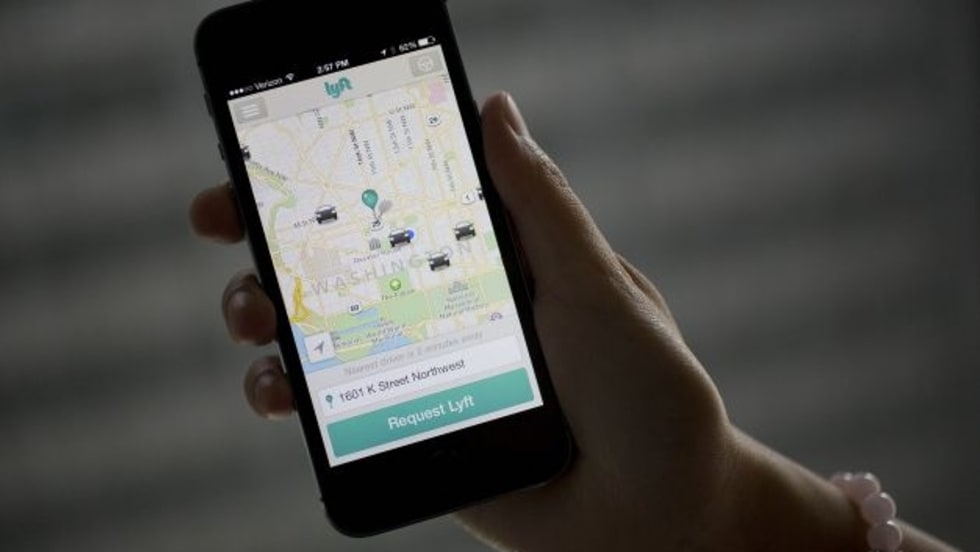

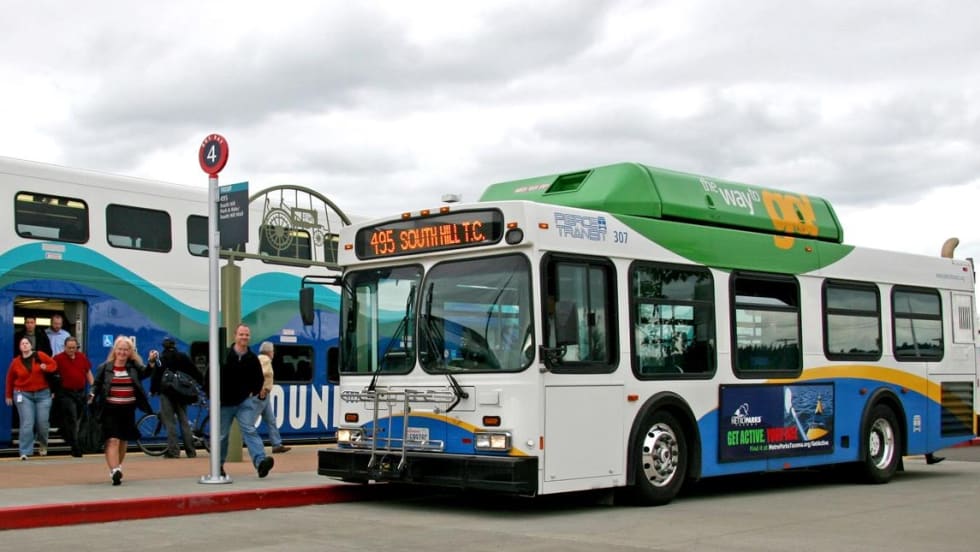

Today, projects are being planned with an eye on how they will fit into the larger multimodal transportation picture, rather than simply moving people along its route.
Read More →Smartphone owners feel connected much of the time, for better or worse. But shouldn’t that be the goal for physical movement as well, to be literally that connected — with a transportation system that could take one anywhere at any time? That’s a big ask. But what’s exciting is how realistic the vision is for cities that dramatically alter outdated transportation planning.
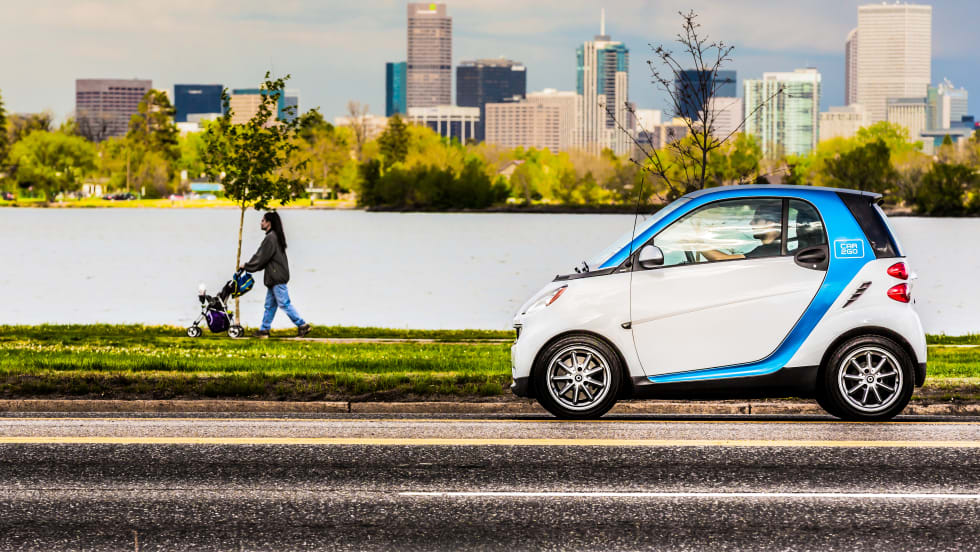
Read More →The recent rise of “mobility on demand” services like Uber and Zipcar has shifted society’s understanding of transportation systems and how they operate. Governments, advocates, and communities are responding by experimenting with their relationships to these services to ensure that on-demand options work with transportation networks to benefit public mobility.
Read More →The large TNCs departed in May after a proposition failed to pass that would have replaced a city ordinance that requires drivers to undergo mandatory fingerprint-based background checks.
Read More →In Seattle, one experiment found consistently longer waiting times for African American passengers — as much as a 35 percent increase.
Read More →The agency will coordinate with Transportation Networking Companies and/or taxi companies to coordinate on-demand rides within certain areas though the use of app-based technology.
Read More →An interim report showed that Uber, Lyft and other transportation network companies handled 43% of taxi calls in May, which grew to more than half the market as the month wore on.
Read More →The bill would create a new license for TNCs, including companies like Uber and Lyft, making it mandatory to pay a $5,000 fee, conduct background checks on drivers and maintain at least $1 million in liability insurance in order to operate in Wisconsin.
Read More →