
Metro Magazine

 MENU
MENU SEARCHMENUSEARCH
Loading data...

When it comes to communicating that people have transportation options besides their own drive-alone cars, the transit industry is getting its lunch handed to it, and has been for decades. It must face that it’s a fringe player that wants to become mainstream. And it’s not getting any easier. While we hear so many great stories about options presented by bikeshare systems and technology and Uber, the fact remains that people are buying cars more than ever.
Read More →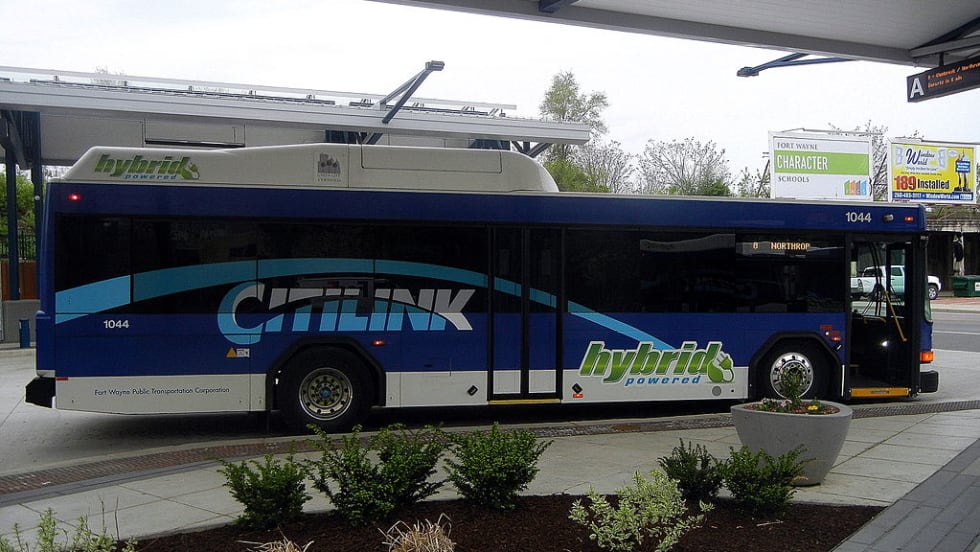

The lawsuit, filed in September 2014 on behalf of Fort Wayne Women’s Health Link, alleged that Citilink engaged in viewpoint discrimination by denying its request to place ads on its buses.
Read More →The company, Commuter Ads patented a way to send 15-second audio and digital text-scroll commercials wirelessly to bus riders.
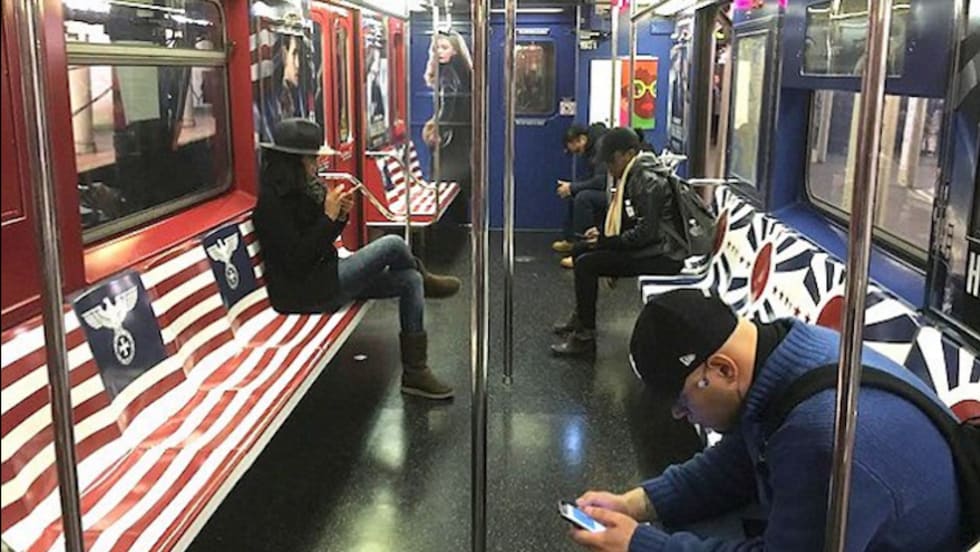
Read More →The ads were for its new series, “The Man in the High Castle,” and featured wrapped New York subway seats with iconography from Nazi Germany and Imperial Japan.
Read More →Its current advertising guidelines ban political campaign ads, which pertain to specific candidates, parties and ballot questions. The agency also does not allow ads that are considered “demeaning or disparaging” to an individual or a group.
Read More →Some Metro board members sounded less than enthusiastic about the idea, saying that selling food in stations will invite people to eat on trains and platforms, the report said.
Read More →The ads promote a documentary that follows a group of Islamic comedians traveling America doing performances that they hope will spread goodwill.
Read More →The lawsuit by Vaguely Qualified Productions LLC is a challenge to a new MTA policy banning ads of a political nature from its buses and subways.
Read More →The ads bring in approximately $2 million dollars annually, so suspending those kinds of ads for the remainder of the year could cost the agency approximately $1 million, according to WMATA. The agency said its decision had nothing to do with any particular ad.
Read More →The board also approved a new advertising policy, following a March 11 ruling that SEPTA had to accept a controversial bus ad featuring Hitler because the agency had previously accepted other political and controversial ads on public issues.
Read More →