
Metro Magazine

 MENU
MENU SEARCHMENUSEARCH
Loading data...

Act allows for a board to examine and approve potential public-private transportation projects. If the board determines a state operation would be more cost-effectively administered by a private company, the company will be authorized to either completely or partially take over that operation.
Read More →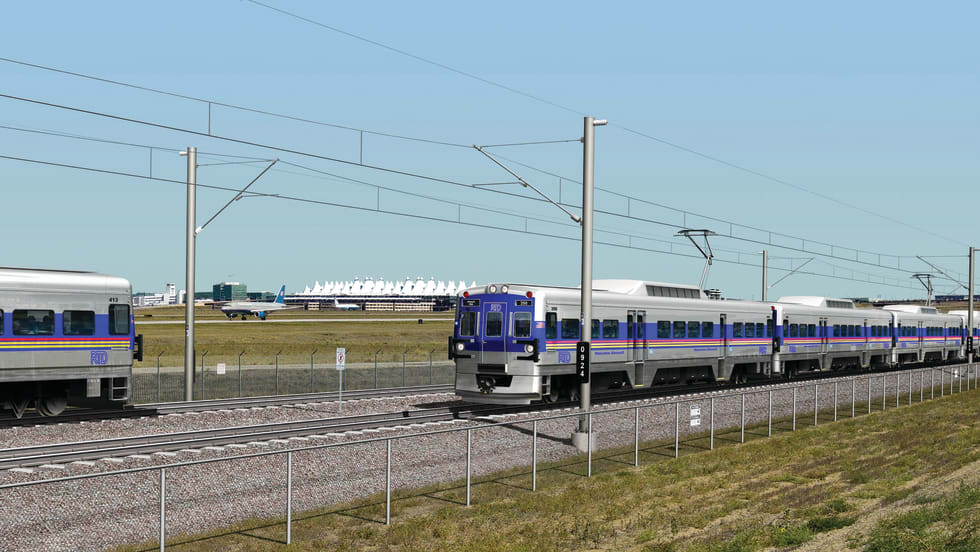

Recommends prioritizing corridors with demonstrated markets, such as the Northeast and California, and exploring alternative management and financing arrangements, including separating infrastructure development from rail operations and forming public-private partnerships.
Read More →Although nothing new, employment generation is the renewed focus of new federal and local spending on rapid transit projects.
Read More →One option to help keep costs down is replacing older vehicles through an accelerated vehicle acquisition plan that uses municipal leases. With tight credit markets and limited access to capital markets, this is an efficient, less costly option.
Read More →Cliff Henke, a contributing editor to METRO, is senior analyst at PB. His views herein are solely his own.
Read More →When properly employed, such partnerships between government and the private sector can expedite projects, transfer development and operations risk, and provide better opportunities to leverage limited funds.
Read More →The East Corridor rail line is part of the Denver Regional Transportation District's $2.3 billion Eagle P3 project to be funded by a public-private partnership. Electric multiple-unit commuter rail trains will carry passengers from downtown Denver to the Denver International Airport.
Read More →Participants will review best practices and explore options for expanding transit infrastructure and services through public-private partnerships.
Read More →Potential benefits to the public transit system include capital cost and schedule savings, greater use of private sector innovation and technology, and the ability to finance all or part of the overall lifecycle costs of the project with private funds.
Read More →Victor S. Parra is the president/CEO of the United Motorcoach Association.
Read More →