
Metro Magazine

 MENU
MENU SEARCHMENUSEARCH
Loading data...

A big part of the province’s decision to develop Presto cards for $250 million was to facilitate transit trips using one fare card across municipal systems. The move will make Presto more ubiquitous in the region since 85 per cent of area commuters include the TTC in their trips.
Read More →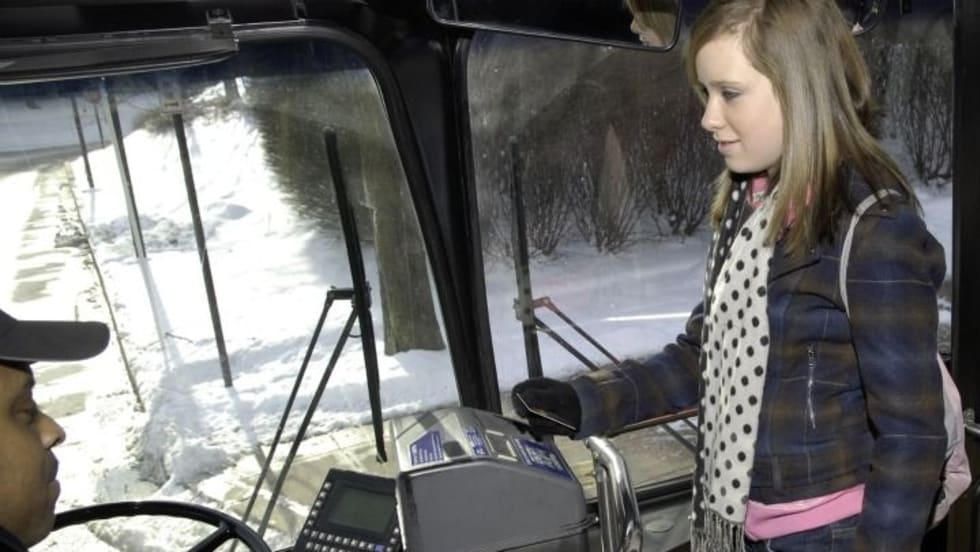
When the project is completed, Calgary Transit will provide to over 94 million passengers per year a more convenient method to pay for fares.
Read More →This solution, specifically developed for separated bus lines, includes 100 percent automatic payments, entry barriers and the use of contactless cards.
Read More →Riders will soon be able to pay for travel on trains, buses and trolleys using bank cards, mobile devices, and other emerging “smart” technologies. The board authorized a loan commitment agreement that will provide up to $175M in funding for the project and related improvements.
Read More →American University and the University of Maryland have partnered with the agency to enable students to purchase and add value to SmarTrip fare cards on campus. Earlier this year, the University of Maryland purchased 5,000 SmarTrip cards for distribution to incoming freshman students.
Read More →Agency officials claim that the number of fare evaders is still too small to justify making the necessary changes to the smart card. BART and the Metropolitan Transportation Commission are monitoring the problem and will make changes if abuse increases.
Read More →The Clipper inter-agency smart card contains a built-in mechanism that allows some riders to exit BART stations even if their cards lack sufficient value to pay full fare.
Read More →As part of a four-year, $15 million contract with ACS, public transportation users will receive smart cards free of cost from the city, load them with a pre-paid amount. The new system consolidates the different fare options now used by the RTD.
Read More →The programs in both cities are part of Visa's long-term strategy of extending the speed, security and convenience of Visa acceptance to new locations.
Read More →The Clipper Card regional system will be the largest in the U.S. once Cubic completes integration across all Bay Area transit operators.
Read More →