



SEPTA to move to open fare payment
Riders will soon be able to pay for travel on trains, buses and trolleys using bank cards, mobile devices, and other emerging “smart” technologies. The board authorized a loan commitment agreement that will provide up to $175M in funding for the project and related improvements.

The Southeastern Pennsylvania Transportation Authority (SEPTA) approved a proposal that will fund an "open" fare payment system, which would allow riders to use bank cards, mobile devices and other "smart" technologies to pay for fares.
SEPTA's board authorized a loan commitment agreement with the Philadelphia Industrial Development Corp. (PIDC) Regional Center that will provide up to $175 million in funding for the “Smart Card” project, as well as related improvements to infrastructure, communications and customer service.
A modernized fare payment and collection system is critical to SEPTA’s near- and long-term financial health, as illustrated by its inclusion as a key component of the Authority’s business plan. The system will make fare collections more efficient, and its “open” nature is expected to attract new riders.
Riders will be able to pay for travel on SEPTA trains, buses and trolleys using common retail methods such as bank cards, mobile devices and other emerging “smart” technologies. It also means a move away from outdated fare instruments such as tokens and paper transfers.
The New Payment Technology initiatives, as the project is known, will be financed through the “The Welcome Fund,” a low-cost loan program developed by the PIDC Regional Center in conjunction with CanAm Enterprises LLC.
SEPTA pursued innovative financing after the main fare modernization project was cut from the Fiscal Year 2011 Capital Budget due to a 25 percent reduction in funding. With the loan commitment agreement in place, SEPTA can begin to advance its New Payment Technology plans. The projects are expected to be complete in about three years.
More Bus
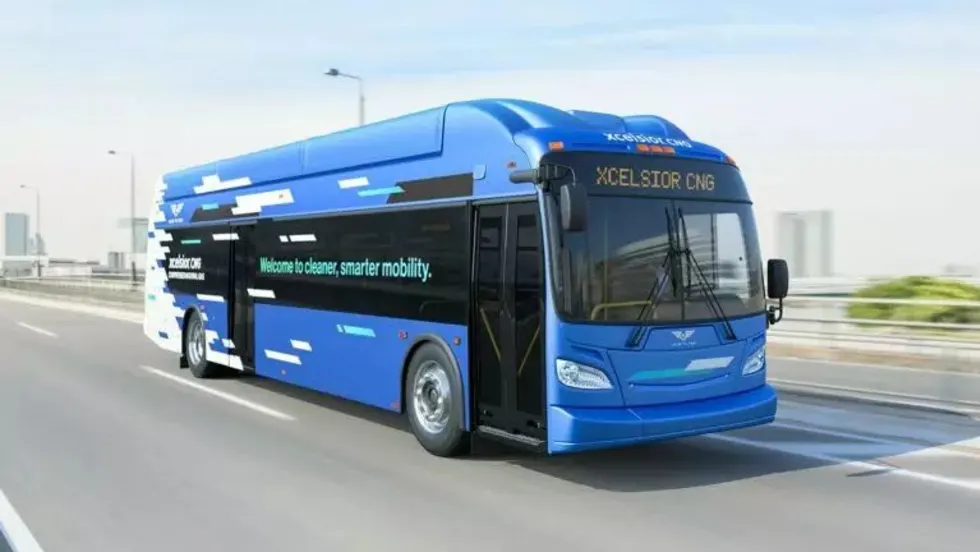
Biz Briefs: New Flyer Delivers in Columbus, Houston, Beep and Freebee Merge, and More
In this edition of Biz Briefs, we spotlight the latest developments shaping the future of mobility.
Read More →
People Movement: Dan Dipert Coaches Adds Third-Generation Leader, Keolis Names New Valley Metro VP/GM, and More
In this edition, we also cover recent appointments and announcements at the Wabtec, SilverRide, HNTB, and more, showcasing the individuals helping to shape the future of transportation.
Read More →
New York MTA Plans Largest Bus Fleet Upgrade in More Than a Decade
The agency is seeking manufacturers for 650 new CNG buses to replace aging vehicles, improve reliability, and advance its broader fleet modernization strategy.
Read More →
Building a Flexible Path to Transit Electrification
John Hroncich discusses BAE Systems’ modular and scalable approach, lessons learned from decades of real-world operations, and how agencies can identify electrification strategies that fit their fleets.
Read More →
Bus Tech Talk: Keeping Transit Technicians Ahead of the Technology Curve
LA Metro’s Obed Mejia discusses technician training, evolving maintenance technology, fleet replacement, and strategies for getting the most out of today’s transit fleets.
Read More →
Biz Briefs: RIPTA Unveils New Frontrunners, Clevland RTA Adds New Siemens, and More
In METRO's latest installment, we take a look at recent news from Siemens, Prevost, Dodge, and more partnerships making headlines across the transportation sector.
Read More →
People Movement: Holly Arnold Joins Transdev and More
In this edition, we also cover recent appointments and announcements at Pace, CamTran, MCI, and more, showcasing the individuals helping to shape the future of transportation.
Read More →
The High Cost of Transit Buses: Industry Leaders Look to Procurement Reform
Transit leaders and policymakers examine how standardized bus designs, streamlined procurement, and predictable funding could help agencies stretch budgets and deliver better service.
Read More →
The Business Voice Behind Public Transportation
As chair of APTA’s Business Members Board of Governors, Ray Melleady explains how more than 850 business members are partnering with transit agencies to advance funding, innovation, and industry-wide collaboration.
Read More →
From Surviving to Thriving: Building Stronger Transportation Organizations
Bus Business Consultants founder Brian Dickson shares lessons on leadership, organizational health, and creating options for long-term success in a changing transportation industry.
Read More →