
Metro Magazine

 MENU
 SEARCHMENUSEARCH
Loading data...

The company’s technology efficiently works to aggregate multiple passengers into shared vehicles.
Read More →



Twenty-five projects in 23 states will receive funding under the program.
Read More →The Santa Monica agency’s new charging infrastructure and fleet expansion aim to improve air quality, equity, and long-term system resilience.
Read More →The refreshed transit program includes broadened and improved on-demand and paratransit services, which will increase transit access for more people in Tarrant County than ever before.
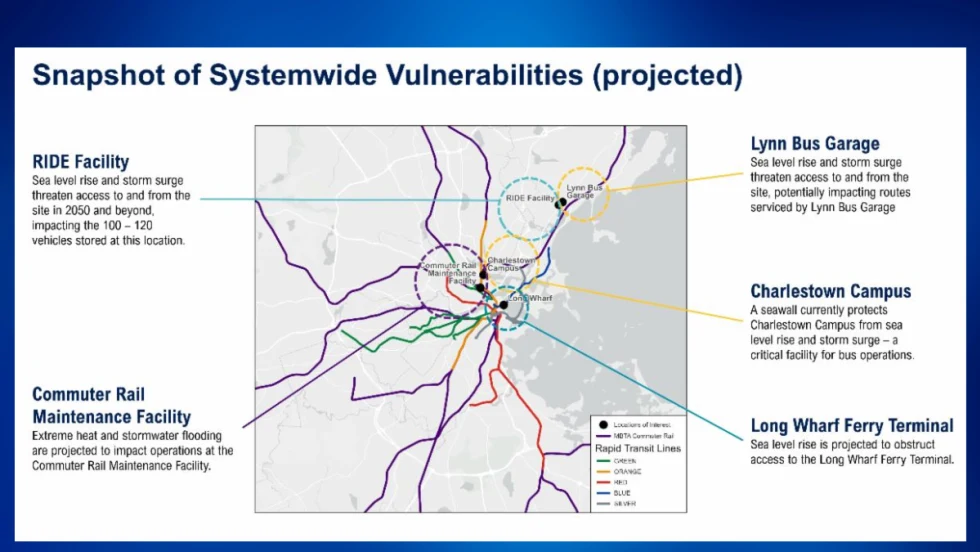
Read More →The plan outlines strategies to protect transit infrastructure from extreme weather, prioritize critical investments, and improve system reliability as climate risks intensify.
Read More →In addition, commuters who ride public transit to work are now eligible to receive an increase in the monthly transit benefit offered by their employer. The maximum transit benefit is now equal to the parking benefit and increases from $120 to $230 per month.
Read More →The Central Ohio Transit Authority will soon upgrade bus fare collection technology, adding magnetic strips to student identification and requiring students to swipe their BuckIDs at the fare box as they board.
Read More →Since Monday, attendees and other passengers boosted ridership on LYNX by 148% over a typical weekday. About 250 buses will be used to move nearly 6,000 delegates to DNC events. In Tampa, 400 buses were used to transport 2,200 RNC delegates, but several buses were late for state delegations.
Read More →Much as September 11th redefined how we travel and handle security, the COVID-19 pandemic will define the ways we work, socialize and travel.
Read More →In addition to having the second largest hybrid-electric bus fleet in the U.S., SEPTA achieved a 19.7% reduction in water usage per passenger miles traveled (PMT); a 10.0% reduction in fuel use per PMT; a 4.0% reduction in electricity use per PMT; and 3.6% reduction in greenhouse gas emissions per PMT.
Read More →