




Keep Reading: U.S. Zero-Emission Bus Adoption Surpasses 8,000 Vehicles
California's Big Blue Bus Moves Closer to All-Electric Future with $56 Million Investment
The Santa Monica agency’s new charging infrastructure and fleet expansion aim to improve air quality, equity, and long-term system resilience.
April 13, 2026
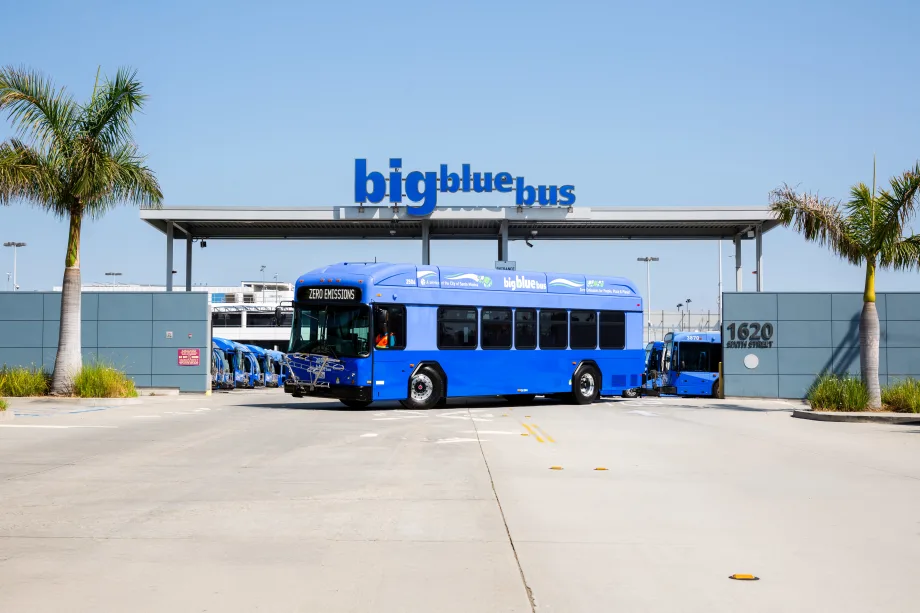
This initiative aligns with Santa Monica’s Sustainable City Plan, which aims to advance the city’s broader sustainability and climate goals.
Credit:
City of Santa Monica
3 min to read
A major investment in clean transit is taking shape in Santa Monica, California. On April 9, officials broke ground on a $56 million project to expand Big Blue Bus’s zero-emission fleet and charging infrastructure, advancing the city’s push toward a fully electric system by 2032.
According to a release, the event brought together public officials, including California Secretary of Transportation Toks Omishakin, agency and city leadership, and project partners to celebrate the start of construction and recognize the collaboration “advancing Santa Monica’s clean transportation future.”
The $56 million investment was largely funded through a $53.3 million grant from the State of California’s Transit and Intercity Rail Capital Program. Infrastructure improvements are well underway, just 18 months after funding was secured.
Project Highlights and Systemwide Benefits
“This is what progress looks like. It’s practical, it’s measurable, and it’s moving us forward,” Mayor Caroline Torosis said. “This systemwide move to cleaner transit is something for our city and residents to be proud of. When transit is reliable and accessible, people choose it, and those choices add up to a healthier, more sustainable city.”
The Santa Monica Department of Transportation hosted a ceremonial groundbreaking event for Big Blue Bus's new zero‑emission fleet and the expansion of the agency's charging infrastructure.
Credit:
City of Santa Monica
Clean transportation enhancements include:
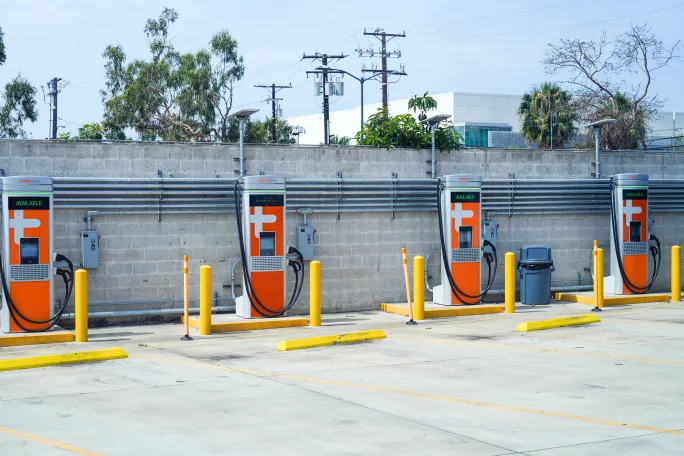
- Charging infrastructure to support a fully zero-emission fleet: Construction of an advanced overhead gantry charging system capable of efficiently powering up to 195 buses.
- Economic opportunity and workforce development: The project supports local job creation through construction, engineering, and electrical work, while also advancing workforce training in clean energy and zero-emission vehicle technologies.
- Equity and community health benefits: Transitioning to zero-emission buses reduces harmful emissions in the communities Big Blue Bus serves, according to the agency, contributing to “improved public health outcomes and more equitable access to clean, reliable transportation.”
- Long-term cost efficiency and system resilience: The agency’s fleet electrification will reduce long-term fuel and maintenance costs while “strengthening operational resilience through modernized infrastructure and energy systems.”
- Accelerating fleet electrification and next-phase milestones: Big Blue Bus currently operates 34 battery-electric buses, marking significant progress toward a zero-emission fleet. With additional vehicles planned for procurement and charging infrastructure construction underway, the agency is advancing toward full systemwide electrification by 2032.
“This project represents more than an infrastructure investment — it’s a transformation of how we deliver transit service,” said Santa Monica Department of Transportation Director Anuj Gupta. “We’re building the foundation for a cleaner, more efficient system that benefits our riders, our workforce, and our community. With strong partnerships and a clear roadmap, Big Blue Bus is well-positioned to deliver a fully zero-emission system.”
This initiative aligns with Santa Monica’s Sustainable City Plan, which aims to advance the city’s broader sustainability and climate goals by reducing greenhouse gas emissions, improving air quality, expanding clean transportation, and fostering a more resilient and equitable community.
More Zero Emissions
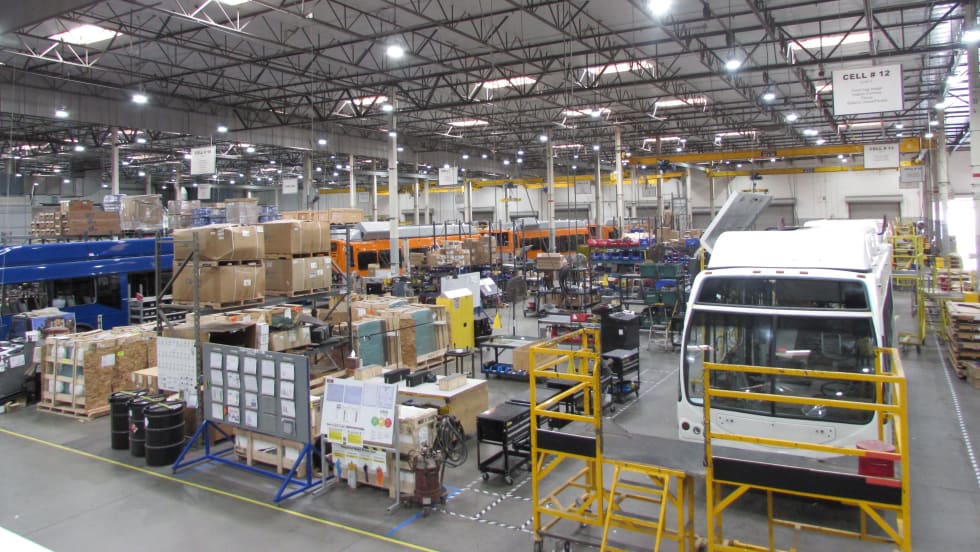
LA Metro Board Awards 220 Battery-Electric Bus Contract to ENC
The contract, which is the largest base award of battery-electric buses by a U.S. transit agency, will be built in Southern California, sustaining good jobs as LA prepares to welcome the world in 2028
Read More →
Public Transit Conference Returning to GFX in 2027, Call for Papers Now Open
The Call for Papers is now open, allowing transit agency professionals and industry experts to help shape the PTC educational program by submitting session ideas for consideration.
Read More →
Report: Transit Bus Manufacturing Supports 34,100 Jobs, $5.1B in GDP
The “Buses Mean Business” report examines the transit bus manufacturing industry’s economic footprint, supply chain, and rising demand for vehicle replacements.
Read More →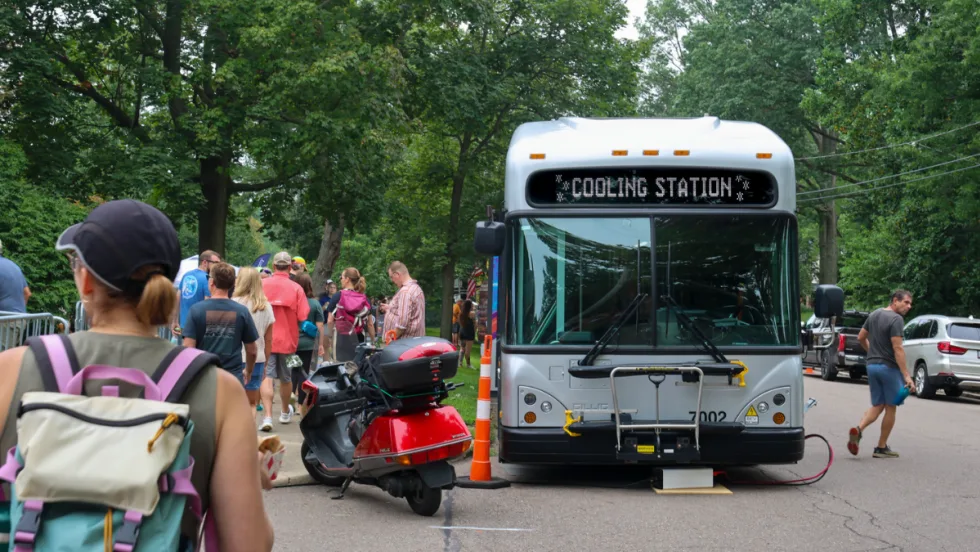
Ohio’s METRO RTA Turns Electric Buses into Mobile Power Sources at PorchROKR
See how three Gillig battery-electric buses powered festival stages while the agency’s new Park & Ride service carried approximately 1,000 attendees, demonstrating another potential use for transit agencies’ electric fleets.
Read More →
CALSTART and Forth Combine to Form Catalyst Mobility
The new name represents a renewed vision for the nonprofit focused on advancing clean, equitable, and affordable transportation solutions that move people and goods.
Read More →
Building a Flexible Path to Transit Electrification
John Hroncich discusses BAE Systems’ modular and scalable approach, lessons learned from decades of real-world operations, and how agencies can identify electrification strategies that fit their fleets.
Read More →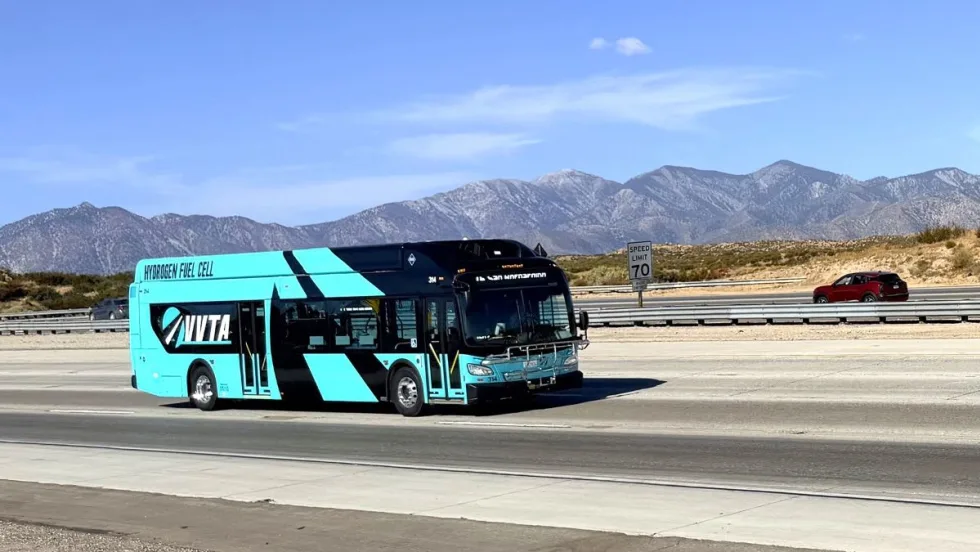
California's VVTA Begins Phased Rollout of Hydrogen Fuel Cell Buses
The agency is introducing 13 zero-emission buses into revenue service while evaluating performance across its urban, rural, and long-distance routes.
Read More →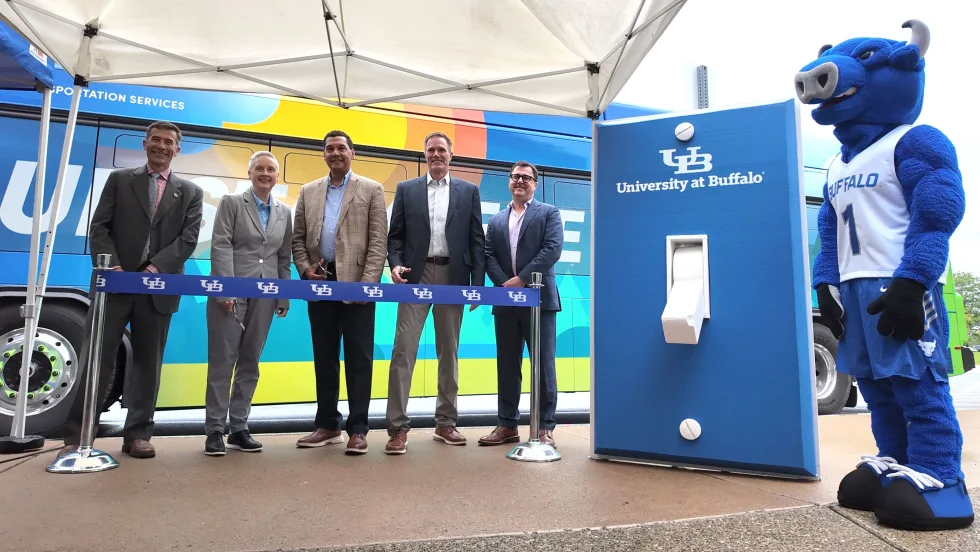
Inside Look: University at Buffalo Puts First 8 Electric Buses Into Stampede Service
UB, transportation solutions provider WeDriveU, and fleet electrification specialist Zenobē marked the deployment in the presence of students, university administrators, and local officials.
Read More →
Biz Briefs: OCTA Taps Clean Energy for Hydrogen Station, Stadler to Supply Via Rail Vehicles, and More
From manufacturers and suppliers to transit agencies and motorcoach operators, these updates offer a snapshot of the projects, partnerships and business moves driving the industry forward.
Read More →
AC Transit’s Cecil Blandon on Building the Next Generation of Transit Maintenance Leaders
The agency’s maintenance chief discusses leadership, workforce development, zero-emission technology, and preparing technicians for the future of public transportation.
Read More →