
Metro Magazine

 MENU
MENU SEARCHMENUSEARCH
Loading data...

In a recently completed report, CTE concludes that a nationwide fleet transition is feasible by 2035, at a cost of between $56.22 billion and $88.91 billion.
Read More →
SB 551, sponsored by the Transportation Electrification Partnership and Los Angeles Cleantech Incubator, would accelerate equitable adoption of electric vehicles statewide.
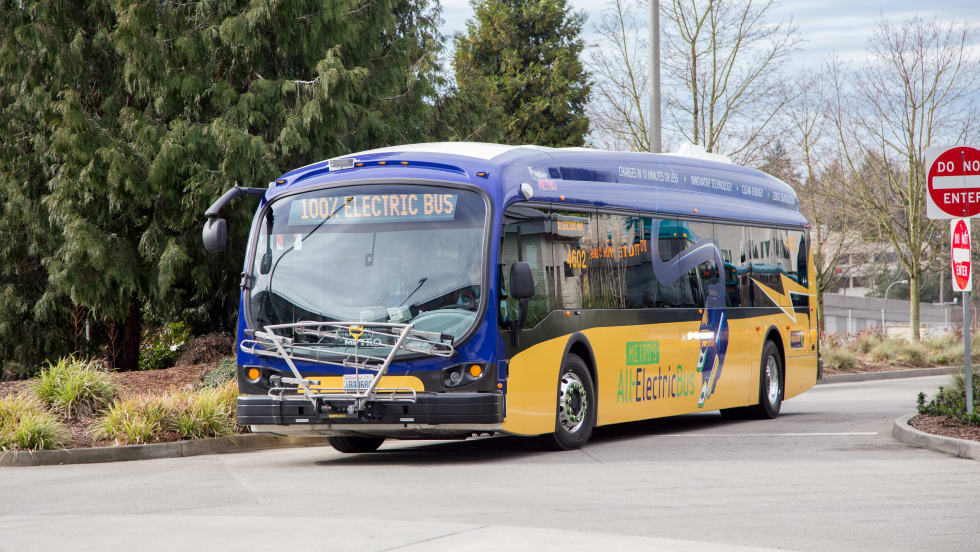
Read More →Other state cap-and-trade funding would expand the agency’s college pass program and help in testing electric buses.
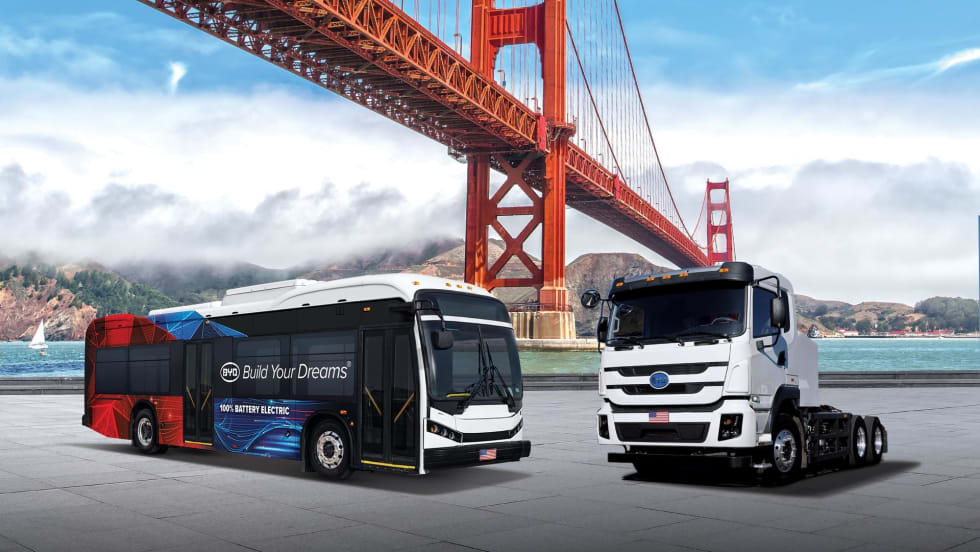
Read More →Vehicles in the voucher program include BYD’s entire battery-electric transit bus line and most coaches, as well as Class 8 and Class 6 electric trucks.
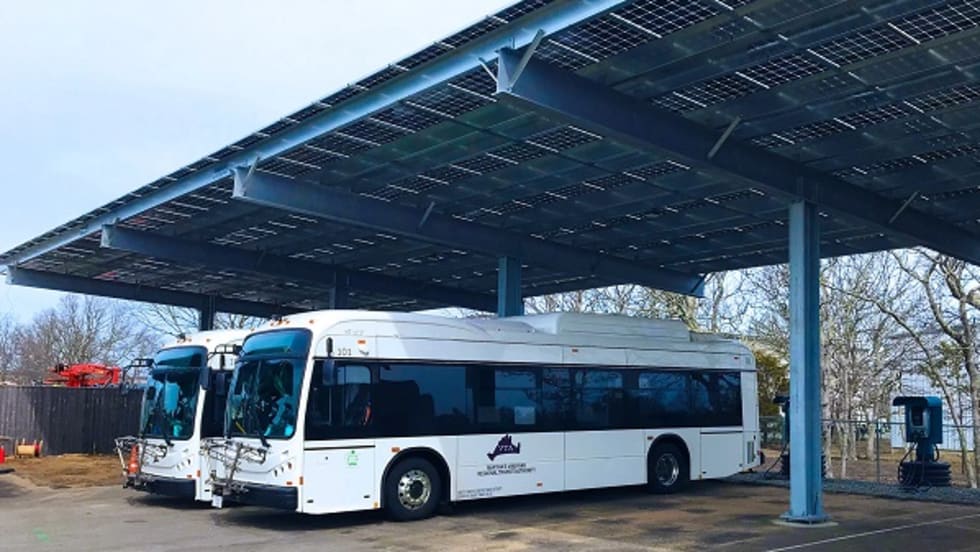
Read More →The microgrid system, designed by Arup, uses on-site solar power and battery energy storage to support the agency’s growing fleet of electric buses.
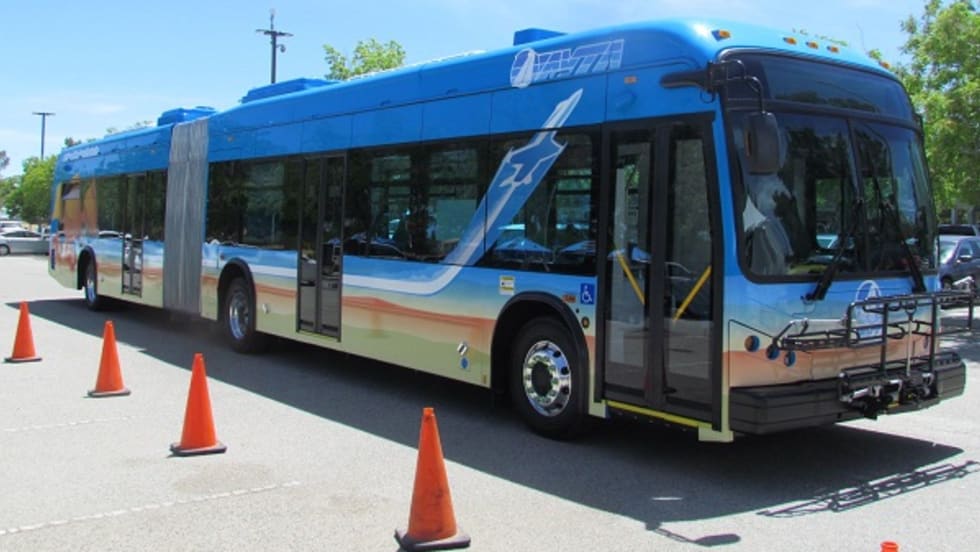
Read More →In those five million electric miles, approximately 1.2 million gallons of diesel fuel have been saved, according to AVTA chairman Marvin Crist.
Read More →The $56.22 billion to $88.91 billion estimate accounts for vehicles, infrastructure, technical assistance, and federal research and development support.
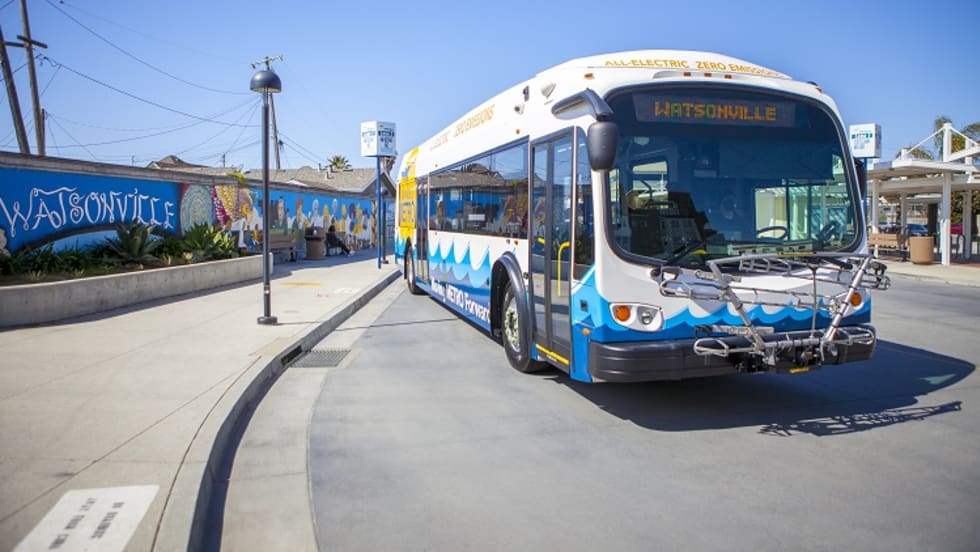
Read More →The agency is working on collecting data and feedback on the feasibility of its new Proterra zero-emissions battery-electric buses as it powers through the impacts of the pandemic.
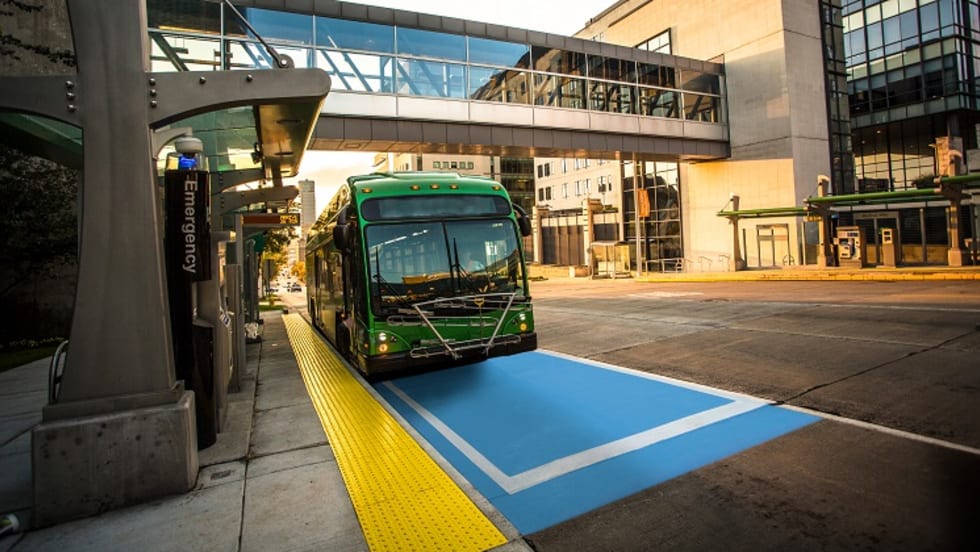
Read More →Inductive charging can keep buses in service longer, save money, and reduce disruption to routes.
Read More →Projects include designing inductive charging stations for the agency’s commuter bus service network and developing a countywide electrification transition plan.
Read More →