



CTE Analysis Finds Nationwide Zero Emissions Transition Feasible by 2035
The $56.22 billion to $88.91 billion estimate accounts for vehicles, infrastructure, technical assistance, and federal research and development support.
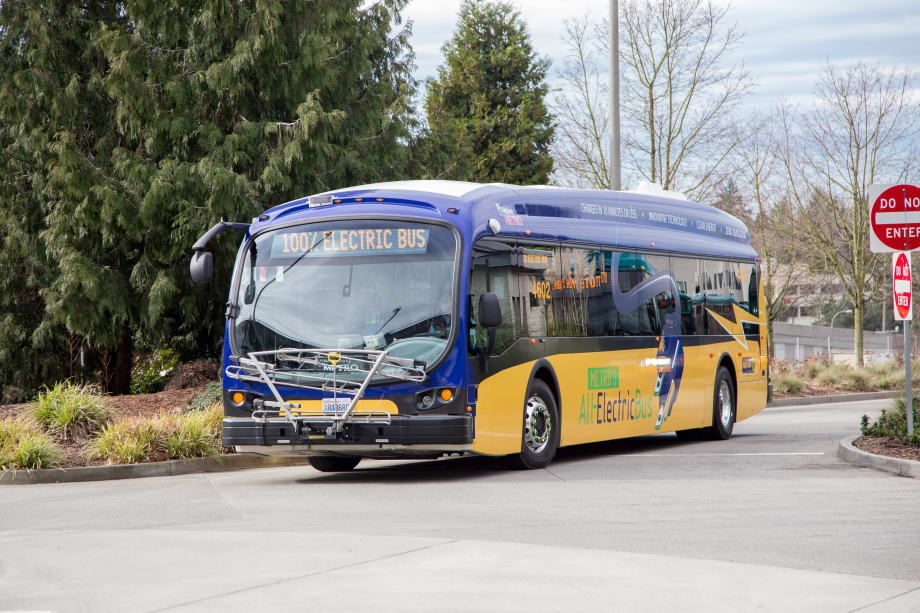
The report assumes the national fleet will require a mix of both battery-electric and fuel-cell electric vehicles to meet zero-emission transition targets.
Proterra
At the request of Sens Chuck Schumer (D-NY) and Sherrod Brown (D-OH), the Center for Transportation and the Environment (CTE) conducted an independent study to formulate a roadmap and cost assessment for transitioning the entire U.S. transit fleet to zero-emission vehicles (ZEV). CTE was chosen to produce this report because of the organization’s extensive experience developing and deploying zero-emission vehicle technologies. The report is now available for download.
In the report, CTE concludes that a nationwide fleet transition is feasible by 2035, at a cost of between $56.22 billion and $88.91 billion. The estimate accounts for vehicles, infrastructure, technical assistance, and federal research and development support. The report assumes the national fleet will require a mix of both battery-electric and fuel-cell electric vehicles to meet zero-emission transition targets.
CTE incorporated robust federal support for research, development, and component testing into the cost assessment. Technology development programs and the testing facilities needed to support them are integral to accelerating the transition to ZEVs and ultimately achieving a full ZEV transition by 2035. These programs support the advancement of battery technology, drivetrain components, and advanced driver assistance. Workforce development is also a crucial component of the plan as transit operators, technicians, engineers, and planners need specialized training to understand unique components of ZEVs and supporting infrastructure.
This week, Sens Schumer and Brown unveiled the new “Clean Transit for America Plan” to accelerate nationwide adoption of clean transportation. “To reduce the carbon in our atmosphere and address the climate crisis, we must transform our transit system,” said Sen. Schumer in an official press release. “The Clean Transit for America proposal will replace dirty, diesel-spewing buses, create new American jobs, help save the planet and protect public health, particularly in our country’s most vulnerable communities.”
“Rapidly electrifying the U.S. transit system has to be done the right way,” said Dan Raudebaugh, Executive Director of CTE. “Transit agencies need more than vehicles to successfully make this transition, and the federal government is well-positioned to provide that much-needed support.”
CTE has helped more than 80 transit agencies across the U.S. successfully adopt zero-emission technologies, including the deployment of over 300 zero-emission buses and development of 30 transition plans. These agencies represent nearly every geography, climate, and topography. CTE’s work spans the entire clean transportation system, including manufacturers, infrastructure providers, and fleet operators who are leading electrification initiatives.
More Zero Emissions

Caltrain’s Electrification Drives a New Era of Ridership Growth
The railroad’s shift to electric service has brought more frequent trains, stronger customer satisfaction, and increased ridership, earning it APTA’s Outstanding Public Transportation System award.
Read More →
Building a Flexible Path to Transit Electrification with BAE's John Hroncich
John Hroncich discusses BAE Systems’ modular and scalable approach, lessons learned from decades of real-world operations, and how agencies can identify electrification strategies that fit their fleets.
Read More →
LA Metro Board Awards 220 Battery-Electric Bus Contract to ENC
The contract, which is the largest base award of battery-electric buses by a U.S. transit agency, will be built in Southern California, sustaining good jobs as LA prepares to welcome the world in 2028
Read More →
Public Transit Conference Returning to GFX in 2027, Call for Papers Now Open
The Call for Papers is now open, allowing transit agency professionals and industry experts to help shape the PTC educational program by submitting session ideas for consideration.
Read More →
Report: Transit Bus Manufacturing Supports 34,100 Jobs, $5.1B in GDP
The “Buses Mean Business” report examines the transit bus manufacturing industry’s economic footprint, supply chain, and rising demand for vehicle replacements.
Read More →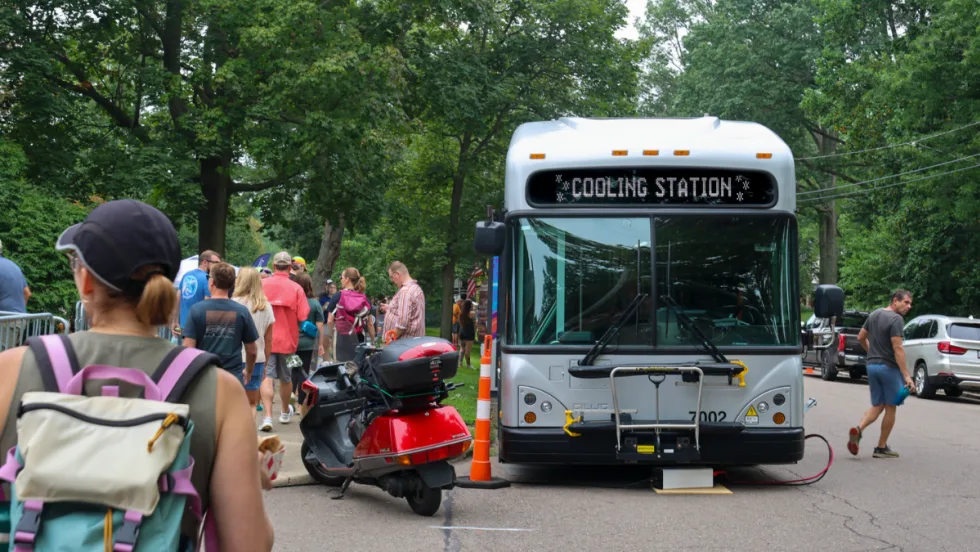
Ohio’s METRO RTA Turns Electric Buses into Mobile Power Sources at PorchROKR
See how three Gillig battery-electric buses powered festival stages while the agency’s new Park & Ride service carried approximately 1,000 attendees, demonstrating another potential use for transit agencies’ electric fleets.
Read More →
CALSTART and Forth Combine to Form Catalyst Mobility
The new name represents a renewed vision for the nonprofit focused on advancing clean, equitable, and affordable transportation solutions that move people and goods.
Read More →
Building a Flexible Path to Transit Electrification
John Hroncich discusses BAE Systems’ modular and scalable approach, lessons learned from decades of real-world operations, and how agencies can identify electrification strategies that fit their fleets.
Read More →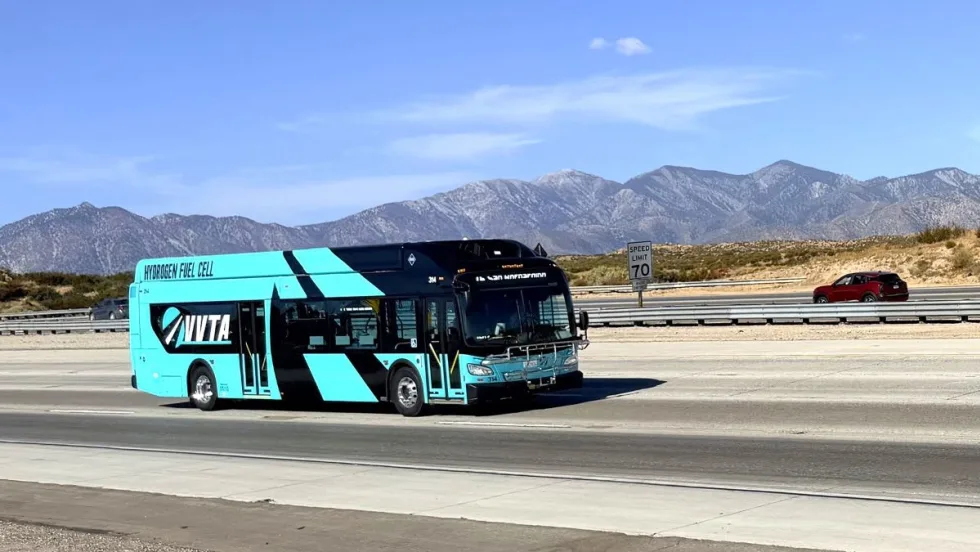
California's VVTA Begins Phased Rollout of Hydrogen Fuel Cell Buses
The agency is introducing 13 zero-emission buses into revenue service while evaluating performance across its urban, rural, and long-distance routes.
Read More →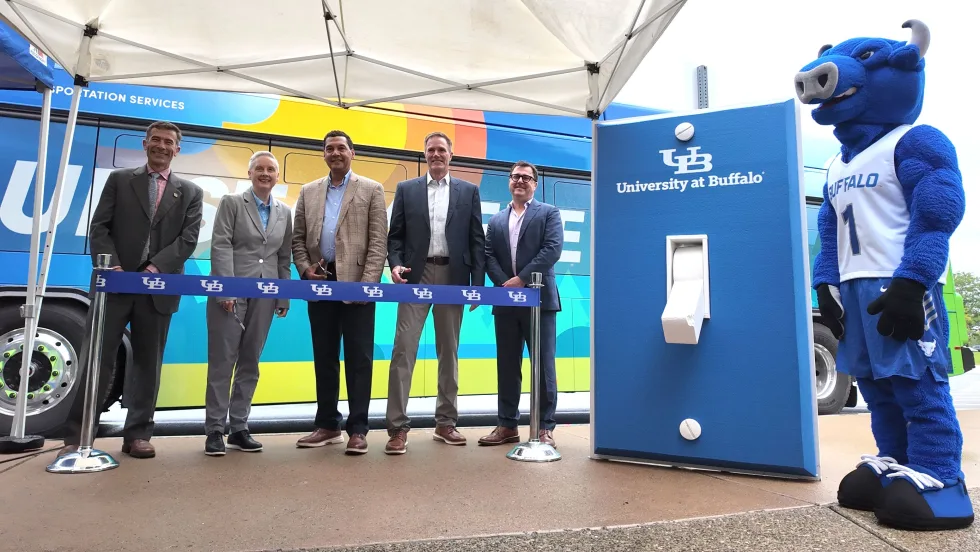
Inside Look: University at Buffalo Puts First 8 Electric Buses Into Stampede Service
UB, transportation solutions provider WeDriveU, and fleet electrification specialist Zenobē marked the deployment in the presence of students, university administrators, and local officials.
Read More →