
Metro Magazine

 MENU
MENU SEARCHMENUSEARCH
The magnetic strip technology would require the replacement of all fareboxes, many of which are more than 20 years old. The agency plans to pay for it with a $2 million federal grant.
Read More →
Of 32 initiatives established in its Action Plan following the FRA's 45-day investigation, 21 have been fully implemented, seven are in progress and two will be pursued after outside entities submit independent reports.
Read More →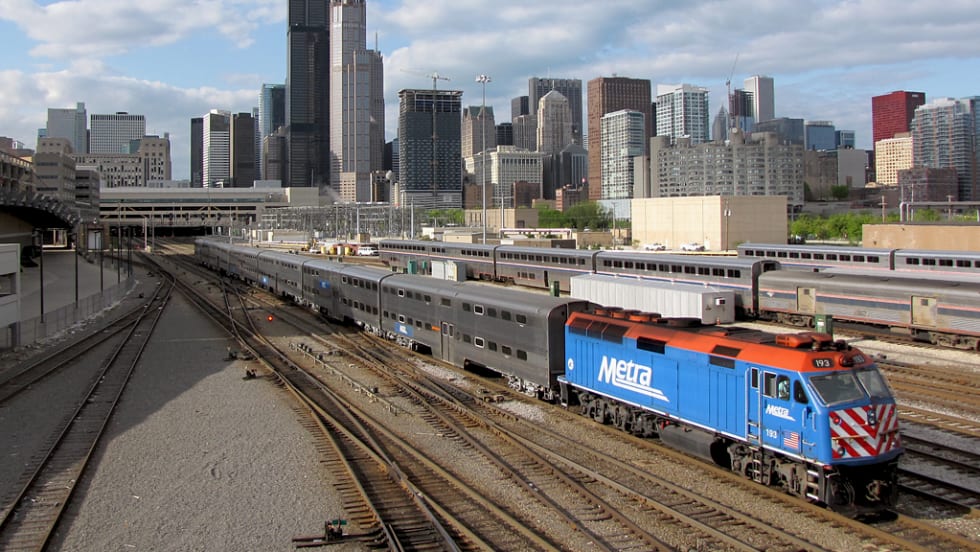
Will focus on the commuter rail's program of operational tests and inspections for all its operating crews, with special emphasis on training, qualification and testing of locomotive engineers.
Read More →
The sickout came amid displeasure over a proposed labor agreement that was the subject of a vote Friday by Muni operators.
Read More →
James Oberstar, former chairman of the House Transportation and Infrastructure Committee (T&I) and long-time transportation advocate, died in May at age 79.
Read More →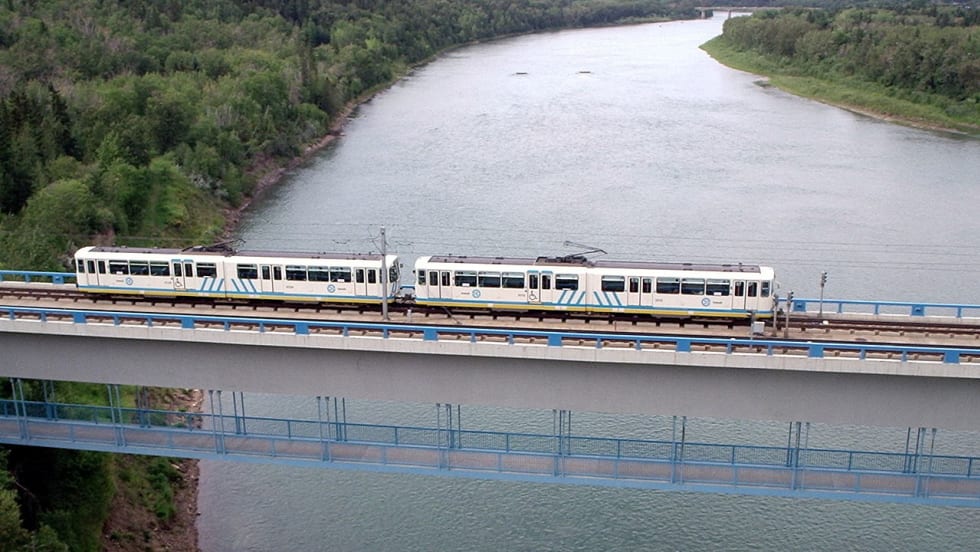
The project is the first funding announcement since the launch of the New Building Canada Fund, the Government of Canada's unprecedented long-term infrastructure plan.
Read More →
Train operator SNCF and network owner RFF said about 1,300 of France's 8,700 railway platforms must be trimmed, at a cost of $69 million, to make way for the wider rolling stock.
Read More →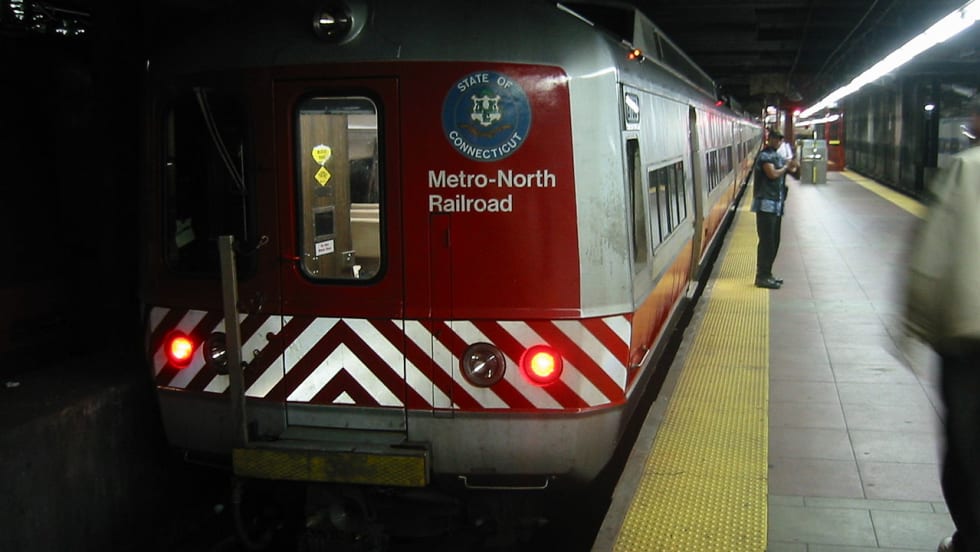
Urges FRA to remove the current inspection exemption for high-density commuter railroads and for Metro-North to stop making use of the exemption in the wake of an accident in December 2013.
Read More →
Key components of the project include an electric power infrastructure and replacing diesel trains with high-performance electric trains.
Read More →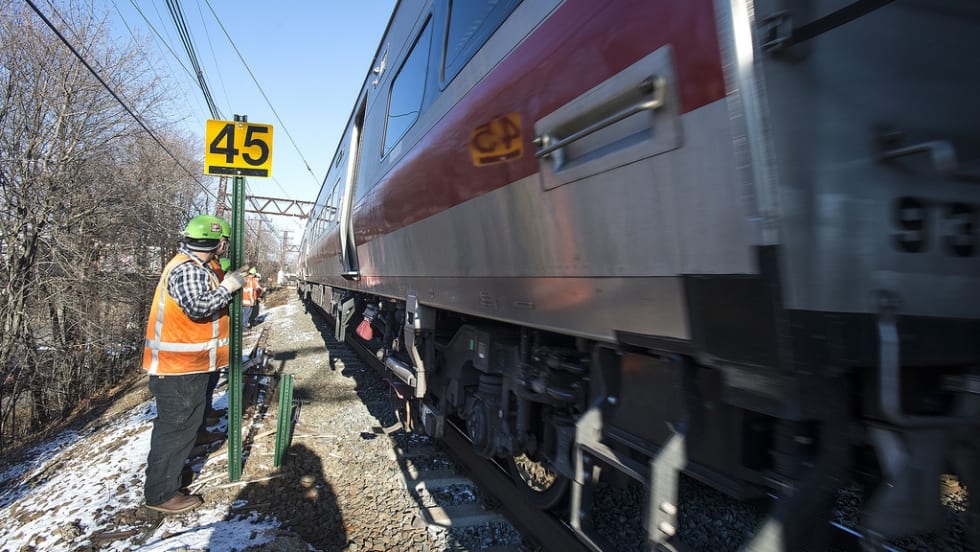
The reforms address factors identified during several serious safety incidents over the last year, as well as issues identified by an in-depth FRA review of its operating practices that took place this past winter.
Read More →