



Five Questions-APTA Chair Flora Castillo
Officially became the 2012-2013 chair of the American Public Transportation Association (APTA) at the start of the APTA Annual Meeting last October in Seattle. Castillo, APTA’s first Latina chair, is a member of the New Jersey Transit (NJ Transit) board of directors, having been appointed by former Gov. Christine Todd Whitman in 1999, and reappointed by three different governors.


Can you discuss how public transportation played an important role in your life both in El Salvador and here in the U.S.?
I came to the U.S. when I was 15, and from my early days I remember that public transportation had always been a part of my life. Back home in El Salvador, they had what we called the “Microbús,” or minibuses, and my grandma and I used to take them to get to church or to go to the supermarket.
When I came to the U.S. it was even more of a safety net and a lifeline for my family and me. Early on when I came here, my mom used to have to take four buses and two subways to get from New York to New Jersey, where she worked.
That exposure and use has given me firsthand value of what it means to families, individuals, and the low income and vulnerable populations. It is simply a lifeline for many, as it was for my family and still is now.
How does it feel to be the first Latina chair at APTA and how do you hope to influence others?
Being the first Latina chair of APTA is an honor. It’s a privilege to have been elected by the members of the association and to be a representative of the industry to the many sectors of our membership. I have been a long-time believer of diversity and inclusion, and this just celebrates APTA’s commitment to it.
Can you please discuss your “it’s all about the people” initiative?
‘All about the people’ is a great initiative, because it really goes to the heart of what makes the industry run.
As APTA chair my focus is on making sure our industry is able to fill future jobs and we are mentoring employees to be future leaders. We have 400,000 individuals across the country employed in the public transportation industry. That is a lot of people making our industry run; that is a lot of jobs. We want to, through our efforts, salute those people and make sure they understand how valuable they are. We have seen their commitment here in the Northeast with Hurricane Sandy. The employees [of the affected transit agencies] rallied to make sure the systems were up and running. That is a lot of hard work, 24/7, and they do it because our mission is serving the customer; they love what we are about.
The other part of my platform is this connection to how important public transportation is to those who need access to critical health services. Having spent more than 20 years in the health care industry, I understand what our communities require and what public transportation does to get people to where they need to go. So, being able to get our national conversation going around this topic is one of the areas we are focusing on as well.
What role do you see public transportation having in this country’s future?
Somebody shared a study with me, early on, about how housing is changing in the U.S. Rather than building out in the suburbs, there are more rental units being built, and will continue to be built, by transit stations, because the millennials are choosing not to have a car and renting right in the city, which typically has accessibility to public transportation. That will continue to have an impact, and there’s no doubt public transportation will continue to be critical to those people.
We also continue to see a critical need for public transportation as it relates to our population getting older. We know that more and more older Americans are also moving to areas with accessible public transportation, so that they can use it to go where they need to go. Public transportation provides them with independence, and that is an area where we want to continue to highlight its critical role.
Will public transportation continue to grow in popularity?
As an industry, we have seen tremendous support locally through the ballot initiatives that have passed, so we know public transportation is received more positively than ever. With the high cost of gasoline, that will continue to be the case. The industry is committed to letting the public know that public transportation is a viable, affordable and environmentally-friendly alternative.
As I have mentioned, it is a lifeline for many people and will continue to be. It has been proven that we get people to where they need to be. Nearly 60% of the trips taken on public transportation are for commuting to work. We can see it is essential for accessing jobs, which helps improve our local and regional economies, and also, increasing our ridership on many of our systems.
More Paratransit
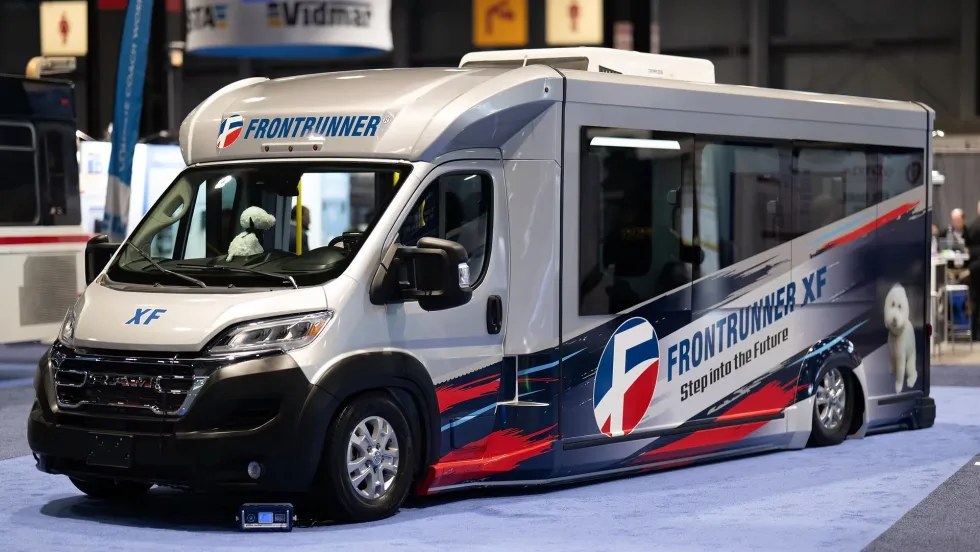
Frontrunner Bus Group Introduces XF Low-Floor Bus with Enhanced Accessibility
The new mid-sized bus features a full flat-floor design, eight-inch curbside step-in height, and zero-entry rear ramp to improve passenger access and operational flexibility.
Read More →
Scenes from APTA TRANSform & EXPO 2026
Transit leaders, manufacturers, and industry professionals gathered in Chicago to explore new technologies, share ideas, and discuss the future of public transportation.
Read More →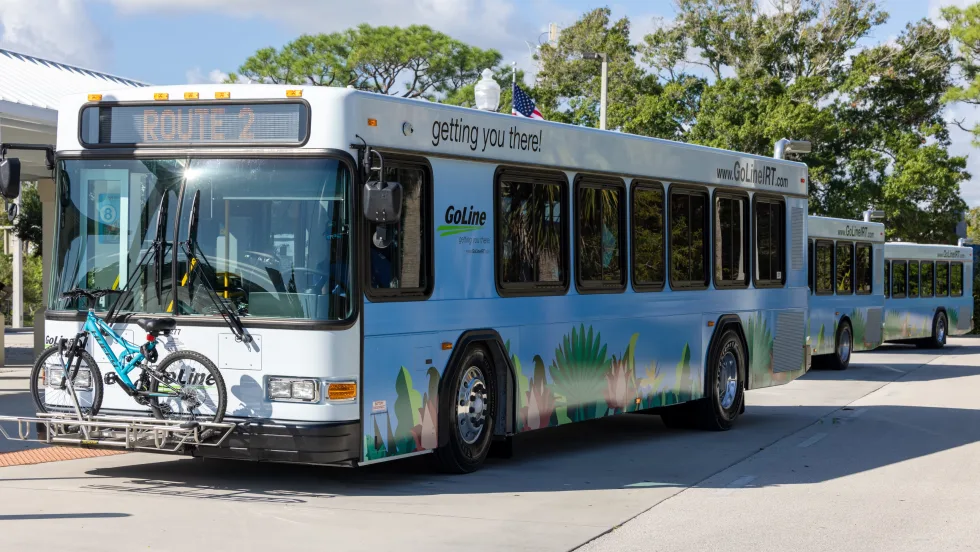
Indian River Transit’s Community-Focused Approach Earns National Recognition
Named APTA’s 2026 Outstanding Public Transportation System in its size category, Florida’s Indian River County transit system continues to grow ridership through fare-free service and a focus on evolving community needs.
Read More →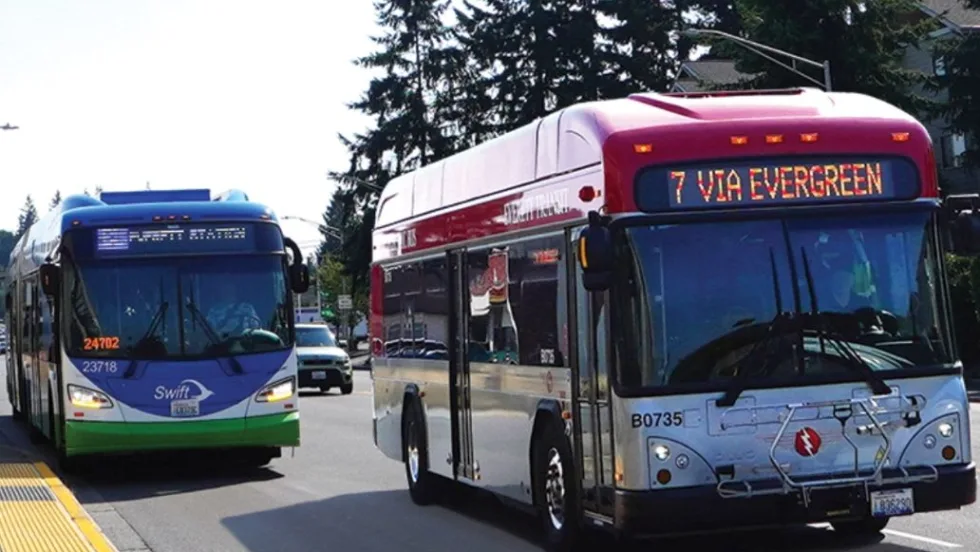
Everett Transit, Community Transit Outline Consolidation Agreement
The proposed agreement calls for a 50% increase in bus service in Everett, a new microtransit zone, continued paratransit service, and the transfer of Everett Transit operations to Community Transit.
Read More →
Driving Smarter Paratransit
John Hanlon shares how AlphaRoute is leveraging AI-powered technology to help paratransit providers optimize operations, support frontline staff, and enhance the rider experience.
Read More →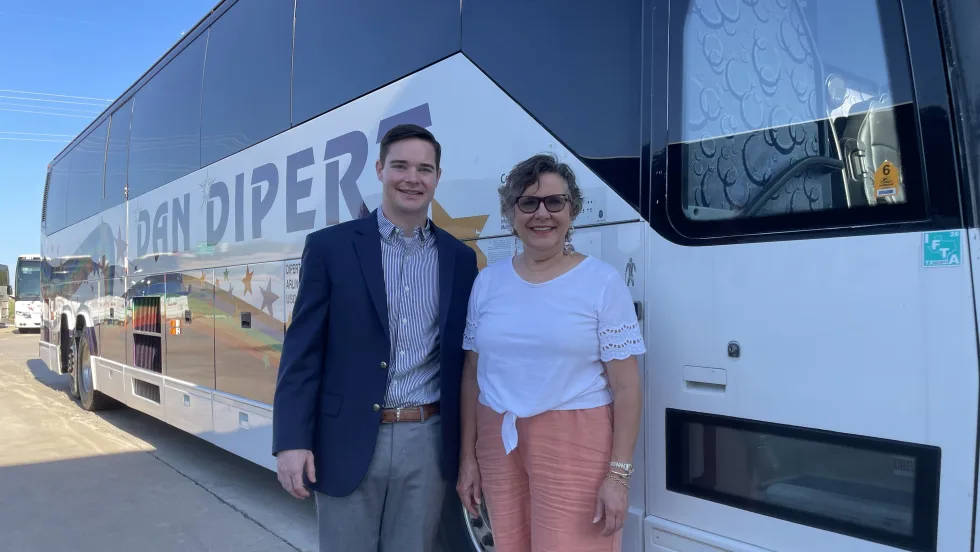
People Movement: Dan Dipert Coaches Adds Third-Generation Leader, Keolis Names New Valley Metro VP/GM, and More
In this edition, we also cover recent appointments and announcements at the Wabtec, SilverRide, HNTB, and more, showcasing the individuals helping to shape the future of transportation.
Read More →
Biz Briefs: RIPTA Unveils New Frontrunners, Clevland RTA Adds New Siemens, and More
In METRO's latest installment, we take a look at recent news from Siemens, Prevost, Dodge, and more partnerships making headlines across the transportation sector.
Read More →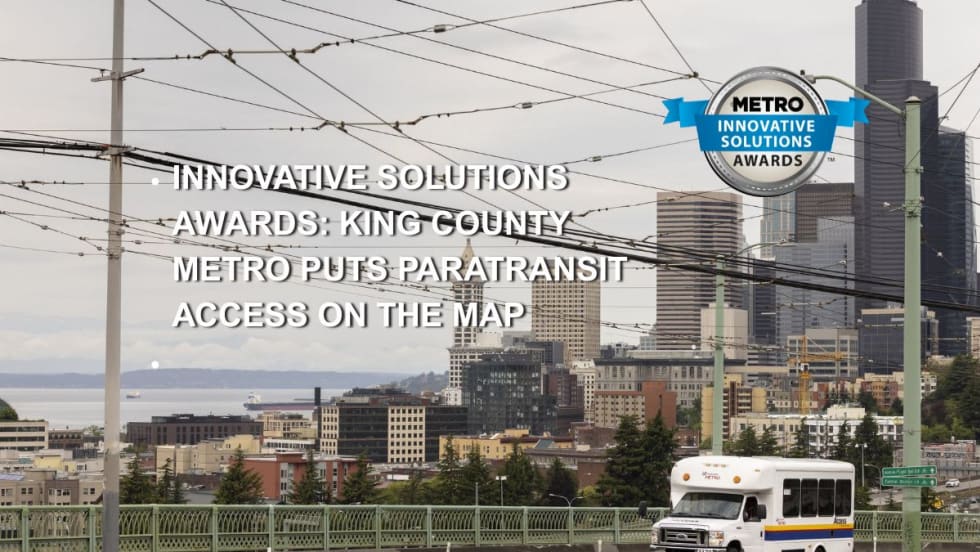
King County Metro Makes ADA Paratransit Easier to Navigate
METRO's Innovative Solutions Award winner replaces complex service-area descriptions with an accessible, interactive map that puts paratransit information directly in customers’ hands.
Read More →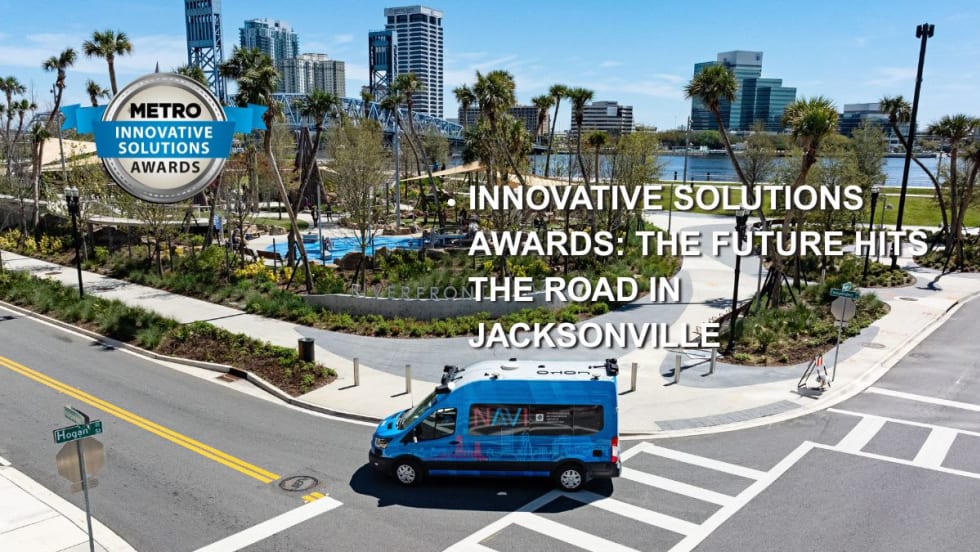
Jacksonville’s NAVI Project Charts a New Course for Autonomous Public Transportation
Through its NAVI program, JTA is showing how autonomous vehicles, intelligent infrastructure, and coordinated operations can work together to deliver everyday public transportation.
Read More →
Driving Smarter Paratransit
John Hanlon shares how AlphaRoute is leveraging AI-powered technology to help paratransit providers optimize operations, support frontline staff, and enhance the rider experience.
Read More →