METRO Magazine Logo
MenuMENU
SearchSEARCH

Monterey, Calif., taps light rail for transit corridor

16-mile corridor extends between Monterey and Castroville on the publicly owned tracks adjacent to Highway 1. Start of service is planned for early 2015.

October 30, 2009
Monterey, Calif., taps light rail for transit corridor


2 min to read


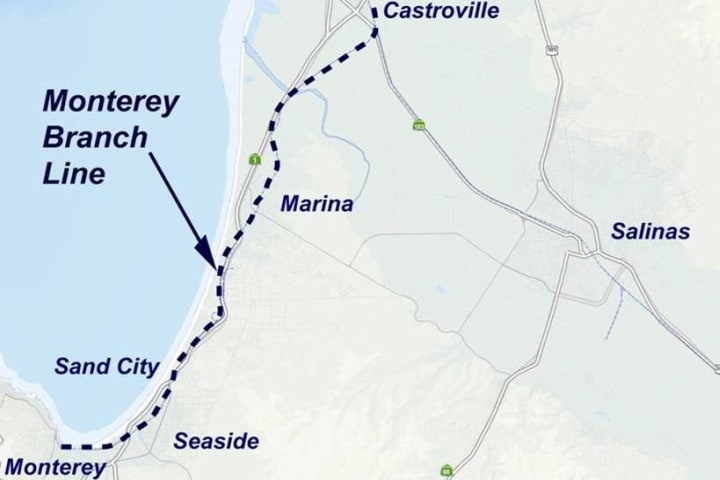
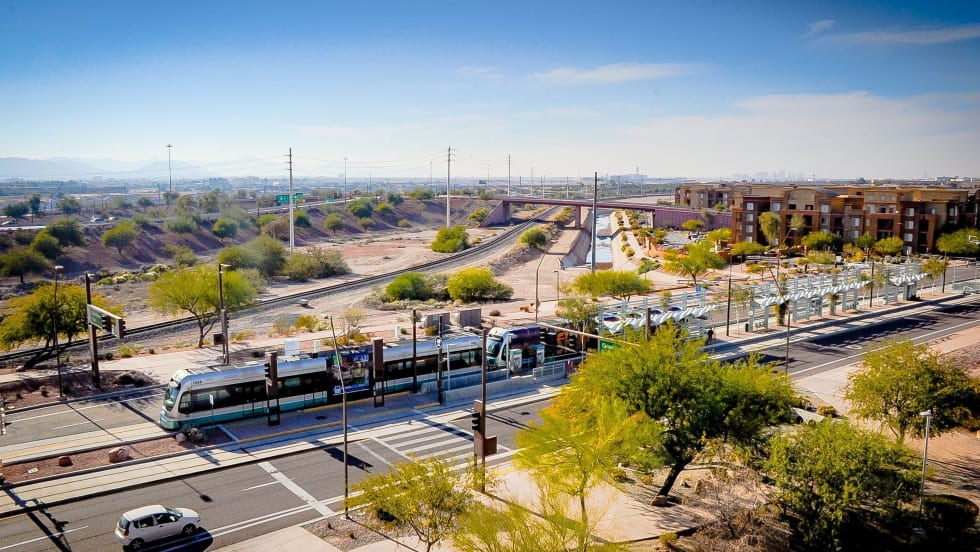
[IMAGE]Monterey-Branch-Line-full-1.jpg[/IMAGE]Monterey County, Calif., residents are one step closer to riding light rail between Monterey and Marina after the Transportation Agency for Monterey County (TAMC) selected light rail as the locally preferred alternative for the Monterey Branch Line transit corridor.

The 16-mile corridor extends between Monterey and Castroville on the publicly owned tracks adjacent to Highway 1.

Ad Loading...

For the past few years, TAMC board members have been discussing and reviewing the benefits to bus rapid transit (BRT) or light rail transit for the planned corridor. Light rail was selected based on its ability to provide superior transportation in the long-term while best meeting the vision and future plans for each of the peninsula cities, according to agency officials.

Light rail vehicles hold more riders than BRT vehicles and, unlike BRT, have the ability to add train cars at a nominal operating cost, which will be beneficial when ridership increases in the future, said TAMC officials.

This capability to respond to long-term growth is an essential feature of this mode choice. With tracks in the corridor, intercity rail can one day run from San Francisco to
Monterey, providing a fast and efficient way of getting to and from San Francisco.

The first phase of the project will run between Monterey and north Marina with key
stations in Monterey, Seaside, Sand City, Marina/CSUMB, and connecting bus service to Pacific Grove and Carmel to the south and Salinas to the east. Later phases will extend service to the planned commuter rail station in Castroville and increase the frequency of trains.

The total capital cost for Phase 1 of the project is $128.5 million. One of the next steps for the project will be to design computer simulations of what the light rail vehicles will look like running on the corridor through the cities of Monterey and Marina. These visualizations were requested by the cities to help illustrate how light rail will fit in with their communities.

Ad Loading...

The TAMC will also hold meetings with each of the cities to determine the best design and location for the transit stations, in particular where the terminus of the line will occur in Monterey.

Then, TAMC will complete the federal and state environmental review documents in
preparation for requesting a major contribution of federal transit funds for construction.
Start of service is planned for early 2015.


More Rail

The Gold Line Logo
Railby StaffFebruary 18, 2026

LA Metro A Line Claremont Extension Study Projects $1.1B in Economic Output

Additionally, construction activity is estimated to generate more than $154 million in tax revenue, including more than $20 million for Los Angeles County.

Read More →
SFRTA TOD groundbreaking event
Railby StaffFebruary 17, 2026

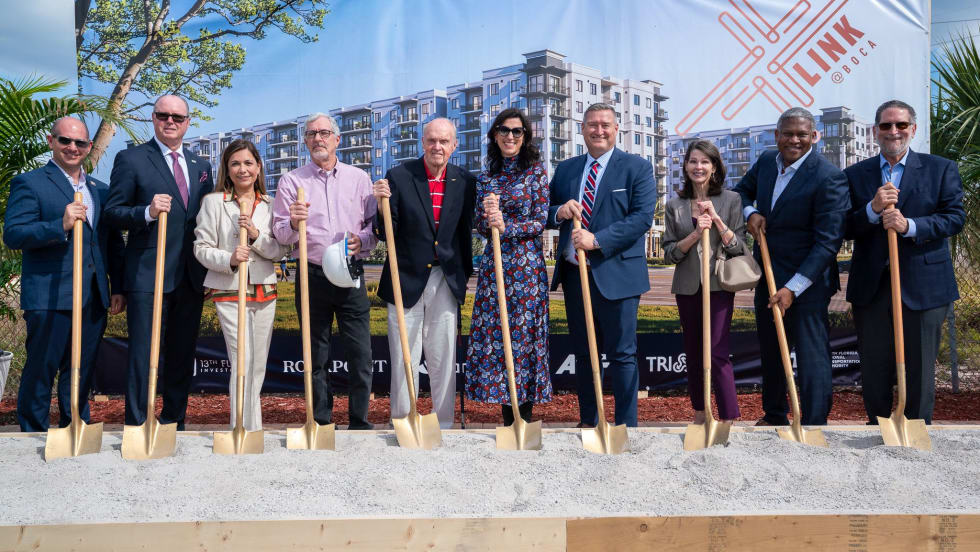
SFRTA Breaks Ground on Its First Transit-Oriented Development

The project represents a significant milestone in the agency’s ongoing efforts to enhance connectivity, activate publicly owned land, and create walkable communities centered around transit.

Read More →
UTA FrontRunner vehicles.
Railby StaffFebruary 12, 2026

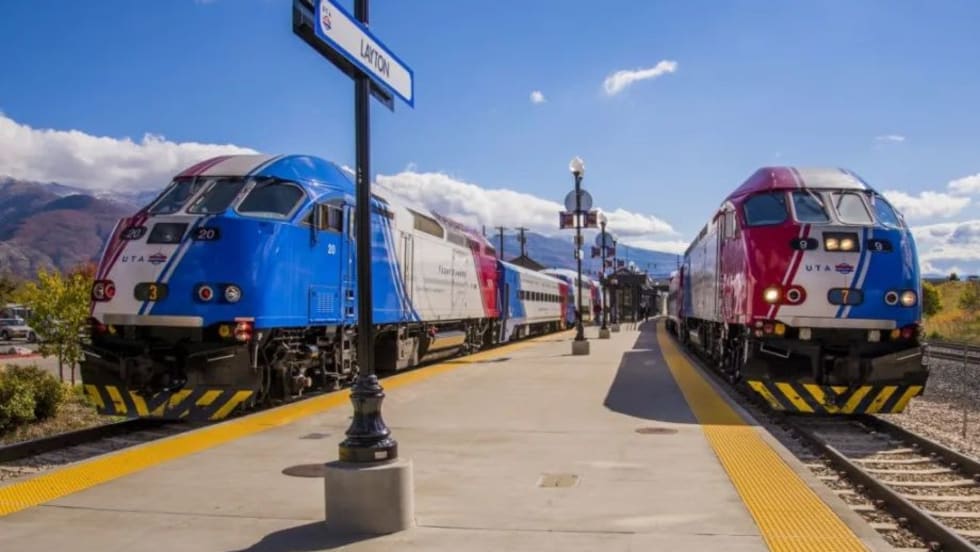
STV Tapped to Join Progressive Design-Build Team for UTA Rail Expansion 

The nearly $1 billion FrontRunner 2X project is a transformative investment to modernize and expand the 89-mile commuter rail corridor between Ogden and Provo.

Read More →
Ad Loading...
A rendering of Alstom's LRV for the Toronto Transit Commission.
RailFebruary 9, 2026

Alstom to Supply New Subway Trains for Toronto

Manufactured and tested in Canada, the vehicles will operate in tandem with a cutting-edge signaling system also supplied by Alstom.

Read More →
A 7000-series WMATA railcar at Navy Yard.
Railby StaffFebruary 6, 2026

WMATA and Kawasaki Resolve 7000-Series Railcar Disputes

A multiparty investigation, led by the NTSB and that included WMATA and KRC, found that wheel migration in the 7000-series railcars contributed to the derailment.

Read More →
Photo for METROspectives episode with Ana-Maria Tomlinson
ManagementFebruary 4, 2026

Establishing Standards & Codes in Canada, with CSA’s Ana-Maria Tomlinson

In this episode of METROspectives, METRO’s Executive Editor Alex Roman sits down with Ana-Maria Tomlinson, Director of Strategic & Cross-Sector Programs at the Canadian Standards Association (CSA Group).

Read More →
Ad Loading...
David Carol, Baker Alloush, and Jesse Lazarus from METRO's People Movement February 4 edition.
Managementby Staff and News ReportsFebruary 4, 2026

New Rolling Stock Strategy Lead at New York MTA and More in People Movement

In this edition, we cover recent appointments and announcements at HDR, NCTD, STV, and more, showcasing the individuals helping to shape the future of transportation.

Read More →
Railby StaffFebruary 2, 2026

Chicago Region Transit Ridership Grows in 2025

The region’s fixed-route system finished out the year with a total of 373.5 million rides. Adding 12.3 million rides over 2024 represents an increase that is equal to the annual transit ridership of Kansas City.

Read More →
Managementby StaffJanuary 29, 2026

Valley Metro Sees Strong Ridership Growth in 2025

The agency ranked top five among mid-sized U.S. transit systems, defined as agencies with 15 million to 50 million annual trips.

Read More →
Ad Loading...
Busby StaffJanuary 29, 2026

Subway Customer Satisfaction Reaches Record High, New York MTA Says

The subway system saw increases across all key metrics, with 62% of subway riders reporting they feel satisfied with the system overall.

Read More →