



Zonar announces grant assistance program
Will help fleets throughout vocational, pupil, mass transit, and commercial trucking industries identify, secure, apply for, and manage grants.


Zonar announced the availability of a grant assistance program provided by Learn, Design, Apply Inc. — a leader in grant funding for clients in the private, non-profit, and public sectors.
The Zonar grant assistance program will help fleets throughout vocational, pupil, mass transit, and commercial trucking industries identify, secure, apply for, and manage grant funding to enhance the safety, performance, and success of their fleets.
Fleet managers and transportation directors work long hours and are often on call 24/7. Taking the time to research and apply for a grant is valuable time that is not always available to them. Quite often, it takes considerable effort and countless hours to simply identify an eligible grant worth pursuing. Then extensive dedicated resources are required to begin the arduous process of putting together the grant application. The grant writing expertise that is needed and the time required to secure grant funds can make it an easy decision for fleet operators to pass on these types of opportunities. However, with the Zonar grant assistance program, fleets interested in identifying funds to help them acquire the latest in smart fleet technology can leverage Learn, Design, Apply Inc.
The experienced team of funding and business development specialists that make up the grant assistance program and deliver a comprehensive range of grant assistant services for Zonar customers and prospects including:
A team of grant and industry experts for one-on-one, customized projects that incorporate technology solutions.
Grant consulting services.
Educational webinars on grant resources and requirements, and new funding announcements.
Access to an extensive network of grant writers.
Tips and tools for managing and reporting on grants.
For more information on Zonar’s grant assistance program provided by Learn, Design, Apply Inc., click here.
More Technology

Scenes from APTA TRANSform & EXPO 2026
Transit leaders, manufacturers, and industry professionals gathered in Chicago to explore new technologies, share ideas, and discuss the future of public transportation.
Read More →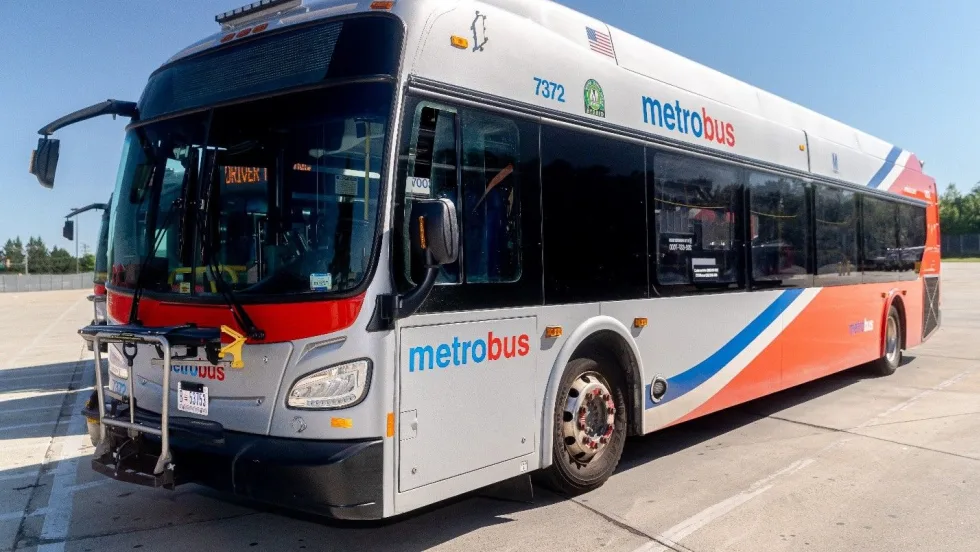
Biz Briefs: New Flyer Secures Additional 100-Bus Order from WMATA and More
In METRO's latest installment, we also take a look at recent news from Masabi, MCI, Samsara, and more partnerships making headlines across the transportation sector.
Read More →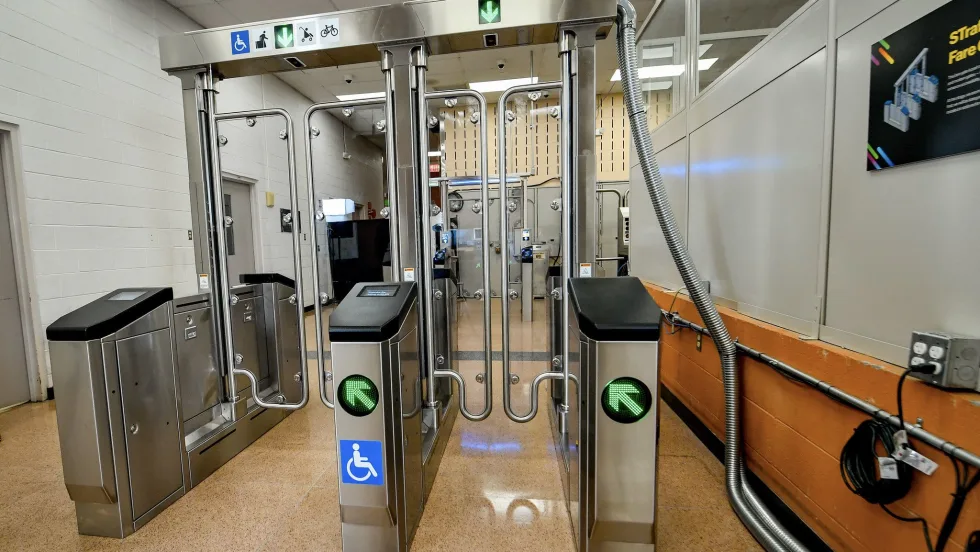
MTA Fare Gate Pilot Reduces Fare Evasion by 35%
Following a 20-station pilot, the agency plans to install new fare gates at 20 additional subway stations as part of a $1.1 billion modernization initiative.
Read More →
California Law Extends AC Transit’s Bus Lane Camera Enforcement
The new law allows AC Transit to continue using forward-facing bus cameras to enforce parking violations in bus-only lanes and at bus stops.
Read More →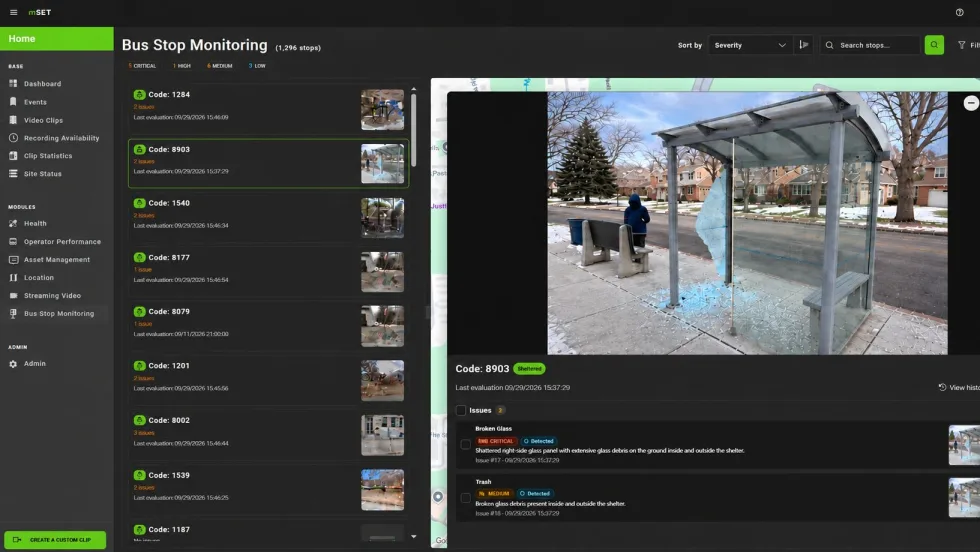
Biz Briefs: Luminator Launches AI Technology to Monitor Bus Stop Conditions and More
In METRO's latest installment, we also take a look at recent news from Masabi, Troman Industries, ioki, CCW, and more partnerships making headlines across the transportation sector.
Read More →
Public Transit Conference Returning to GFX in 2027, Call for Papers Now Open
The Call for Papers is now open, allowing transit agency professionals and industry experts to help shape the PTC educational program by submitting session ideas for consideration.
Read More →
ENC Lands MATA Contract and More in Biz Briefs
In this edition of Biz Briefs, we spotlight the latest developments shaping the future of mobility.
Read More →
Strada360’s Steve Lassey on Turning Transit Data Into Better Decisions
From breaking down data silos to preparing for AI, Strada360 CEO Steve Lassey discusses how transit agencies can use technology to improve operations, customer information, and long-term decision-making.
Read More →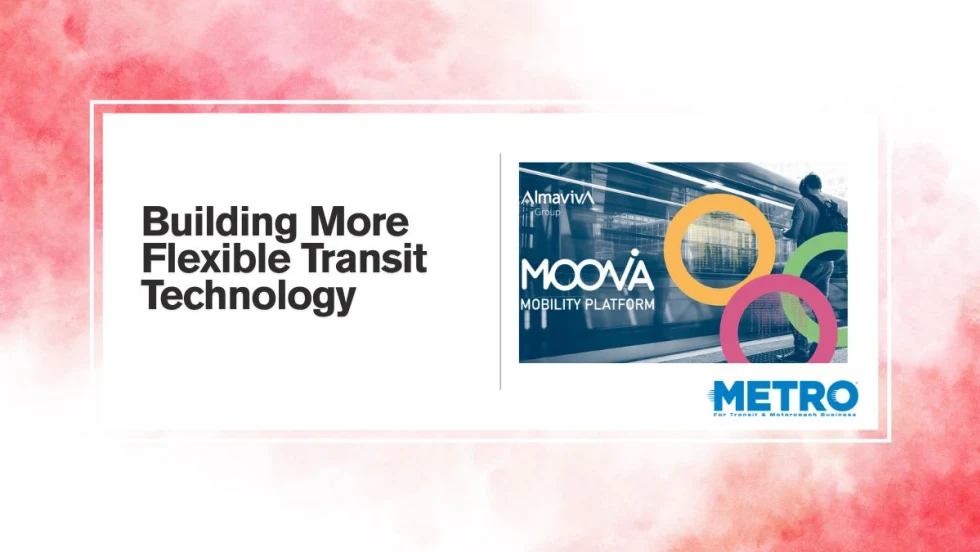
Almaviva Looks to Open Architecture to Advance Transit Technology
Eric Reese discusses how interoperability, open architecture, and modular design can help transit agencies control costs, reduce vendor lock-in, and upgrade technology without starting over.
Read More →
Driving Smarter Paratransit
John Hanlon shares how AlphaRoute is leveraging AI-powered technology to help paratransit providers optimize operations, support frontline staff, and enhance the rider experience.
Read More →