The Federal Railroad Administration (FRA) issued a Notice of Funding Opportunity (NOFO) for the Consolidated Rail Infrastructure and Safety Improvements (CRISI) Program, which includes more than $244 million in grant funding.
The Fiscal Year 2019 (FY19) NOFO will fund projects that increase rail transportation safety, efficiency, and reliability. Eligible applications will include projects that address congestion challenges, highway-rail grade crossings, upgrade short-line railroad infrastructure, relocate rail lines, improve intercity passenger rail capital assets, and deploy railroad safety technology. Both freight and passenger rail infrastructure projects are eligible.
Ad Loading...
The CRISI grant program also directs investment to rural America, with at least 25% of available funds reserved for projects in rural communities. This enables FRA to improve rural America’s rail infrastructure.
The U.S. DOT will also consider how projects support key objectives including enhancing economic vitality; leveraging federal funding; adopting lifecycle cost accounting; using innovative approaches to improve safety and expediting project delivery; and holding grant recipients accountable for achieving specific, measurable outcomes. Preference will be given to projects where the proposed federal share of total costs does not exceed 50%.
Since the award of FY17 and FY18 CRISI grants, including for Positive Train Control implementation, FRA held a webinar and multiple debriefings with over 80 stakeholders to discuss ways to improve applications for funding. This gives prospective applicants greater understanding of the program and the selection criteria.
Applications for funding under this FY19 CRISI NOFO are due 60 days after the date of publication in the Federal Register. Following publication, FRA will offer web-based training and technical assistance for eligible applicants on September 4.
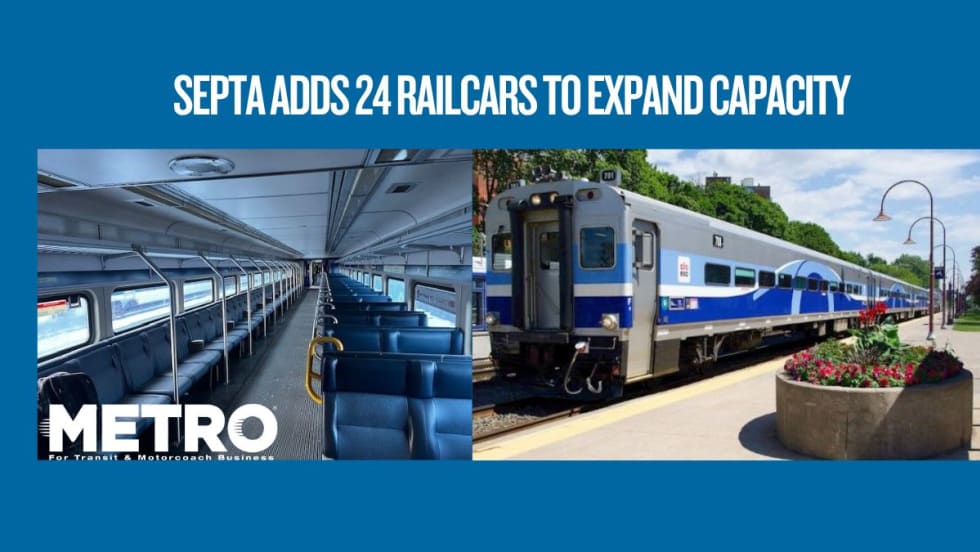
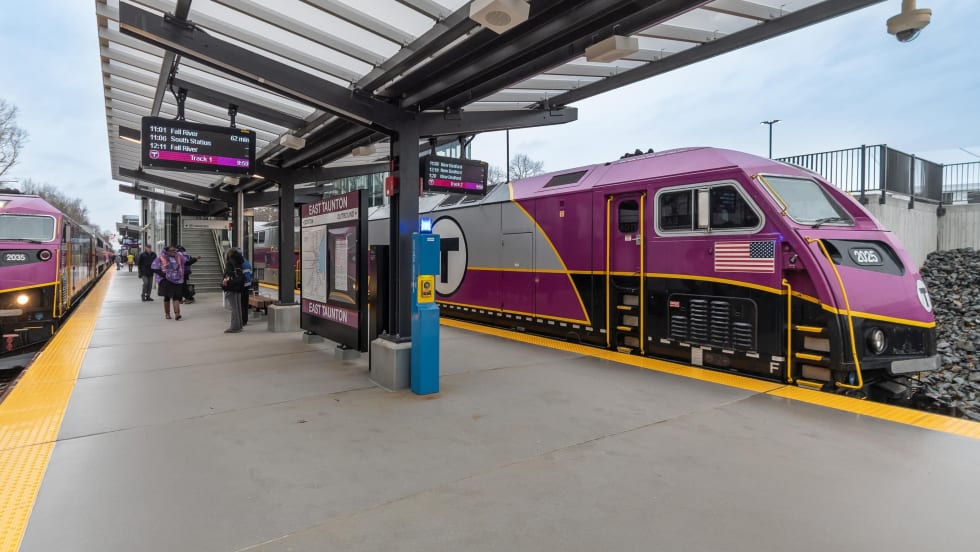
Funding for the purchase of the railcars comes from the nearly $220 million in additional capital dollars Gov. Josh Shapiro allocated in November 2025 to support urgent safety upgrades and infrastructure improvements.
With major events and increased travel expected across the state this summer, the Administration is focused on making sure people have a reliable, affordable alternative to driving so we can reduce congestion, support daily commuters, and keep Massachusetts moving.
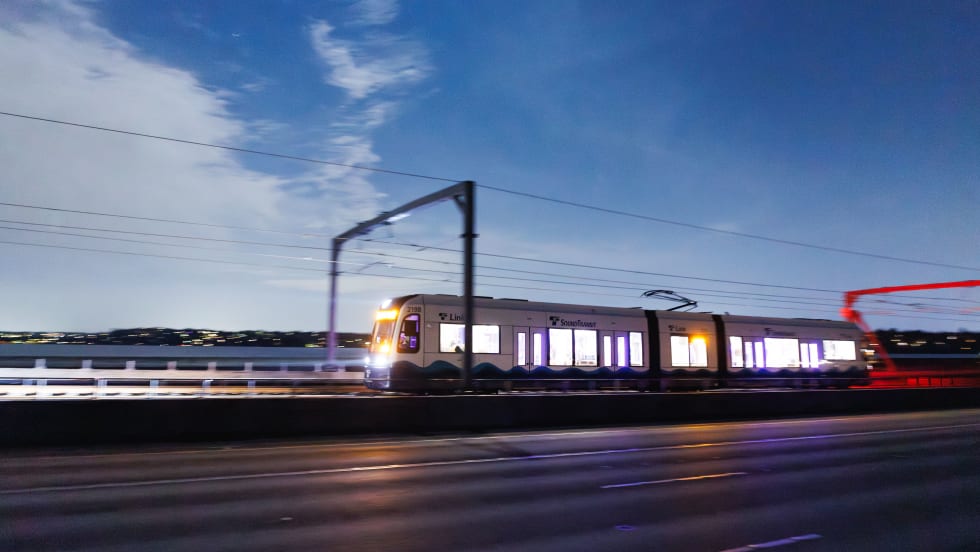
The final seven-mile segment of the 2 Line includes new stations at Mercer Island and Judkins Park and connects to the 1 Line at the International District/Chinatown Station. The Link light rail system now spans 63 miles and includes 50 stations.
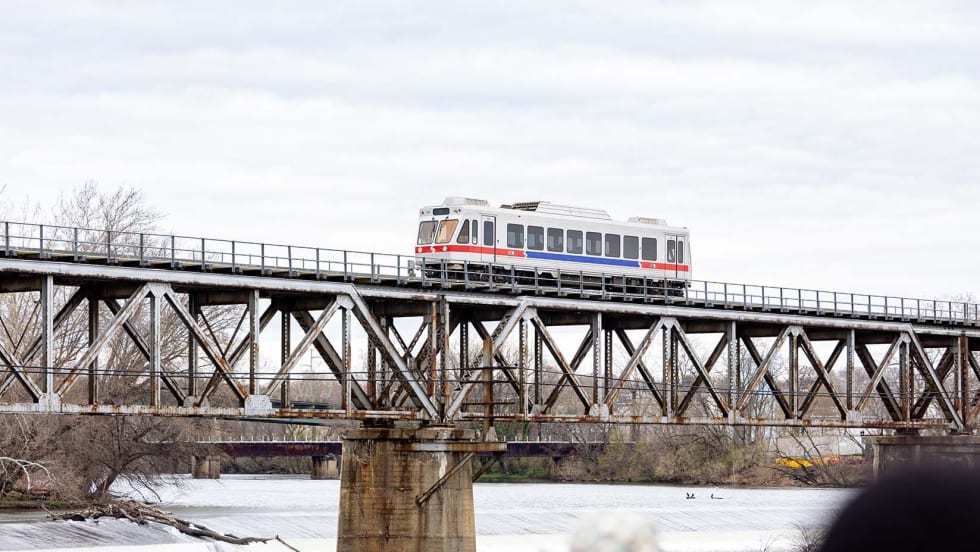
From March 29 through May 9, shuttle buses will replace train service between Bridgeport Station and Norristown Transit Center. Train service will operate as normal between Bridgeport Station and 69th Street Transit Center.
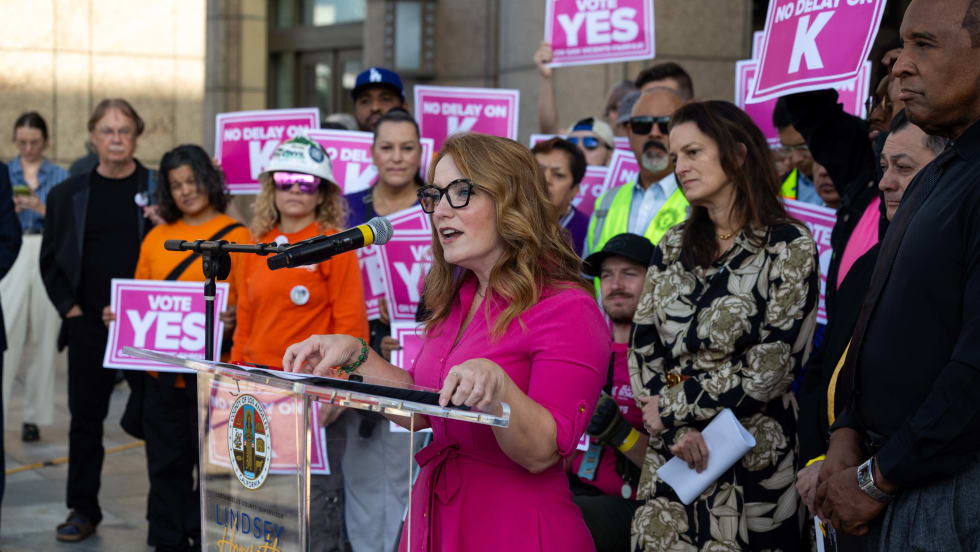
Nadine S. Lee, who has served as president/CEO since July 2021, said the decision comes after careful reflection on the agency’s progress and its path forward.
In this edition of Biz Briefs, we highlight the latest developments shaping the future of mobility — from manufacturers and technology providers to transit agencies and motorcoach service operators.
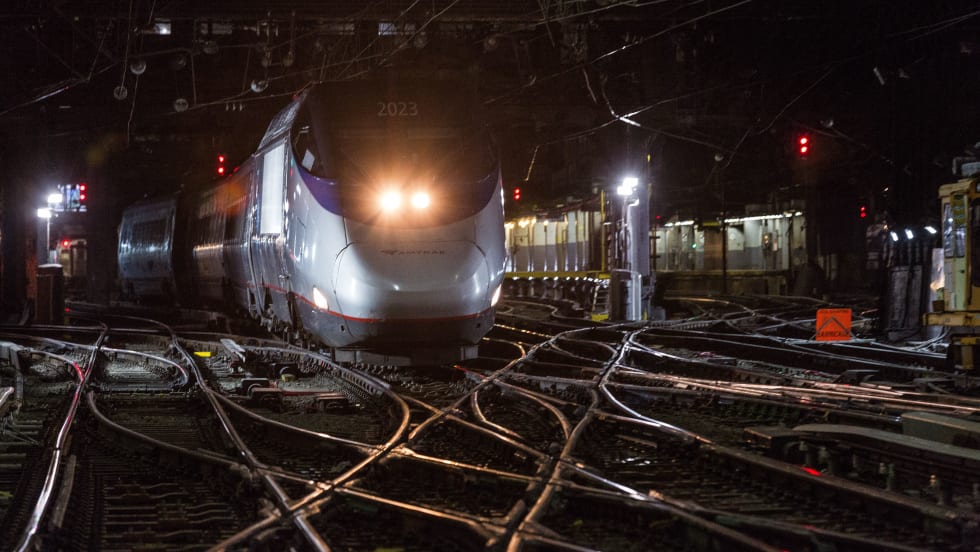
As part of the contract, the AECOM-LiRo NYPennT Joint Venture will work with Amtrak and the selected Master Developer to completely transform Penn Station, improving safety and operational efficiency, making the system more family-friendly, accommodating increased train and passenger capacity, and delivering a world-class experience to its growing passenger base, according to Amtrak officials.