



RTC of Southern Nevada showcases 'work zone of the future' tech
Demo included traffic cones, barrels, arrow boards, construction, and inspection vehicles — all outfitted with new tech that can communicate with passing vehicles and traffic engineers


Tours of a live work zone, equipped with advanced detection and monitoring technologies, gave attendees a look at the RTC of Southern Nevada’s work zone of the future. Demonstrations of Nexar CityStream, HAAS Alert and iCone were featured on the Waycare incident prediction platform and Waze, the crowd sourced navigation app.
RTC

In an ongoing effort to reduce traffic congestion caused by road construction, the Regional Transportation Commission of Southern Nevada (RTC) is testing a first-of-its kind pilot program to find, inspect, and mitigate work zones in real time.
In coordination with National Work Zone Awareness Week, technologies from Nexar, iCone, and HAAS Alert were demonstrated at a special “Work Zone of the Future” event at the Southern Nevada Traffic Management Center.
“We are excited to be testing a pilot program that has the potential to help improve traffic flows, worker and driver safety, and work zone efficiency,” said RTC CEO Tina Quigley. “Work zone detection and reporting technology is the next level to our Seeing Orange program that we launched nearly four years ago, and we are hopeful these new technologies will provide significant long-term benefits to both commuters and workers throughout our valley.”
A mock construction zone setup showed how innovative technologies are helping engineers and motorists stay ahead of work zones and manage them in real-time. The demonstration included traffic cones, barrels, arrow boards, construction, and inspection vehicles — all outfitted with new technologies that can communicate with passing vehicles and traffic engineers. Attendees saw how technologies broadcasting the location of construction equipment and activity have the potential to change how engineers and commuters plan, implement, and react to construction zones.
Nexar CityStream is a groundbreaking platform that uses Nexar’s connected vehicle network to log thousands of daily updates on the movements of hundreds of traffic cones and their effect on traffic in a three-square-mile pilot area in downtown Las Vegas. The technology will help measure the effects of cones and lane closures on traffic, automate the flow of data into RTC databases, help determine permit compliance with lane closures, streamline construction permit management, and provide more accurate public information.
iCone has 21 state-of-the-art traffic control devices broadcasting their locations from inside the work zone to the traveling public through its partnership with the Waze traffic app. The HAAS Alert system is being tested on RTC inspection and traffic technician vehicles also to report to Waze the location of construction vehicles, equipment, and workers within active construction zones.
More Security and Safety

FTA Launches 'Transit Moves America' Dashboard to Highlight Agency Safety and Performance
The online dashboard transforms National Transit Database information into a public-facing resource that allows users to compare transit agencies on key operational and safety metrics.
Read More →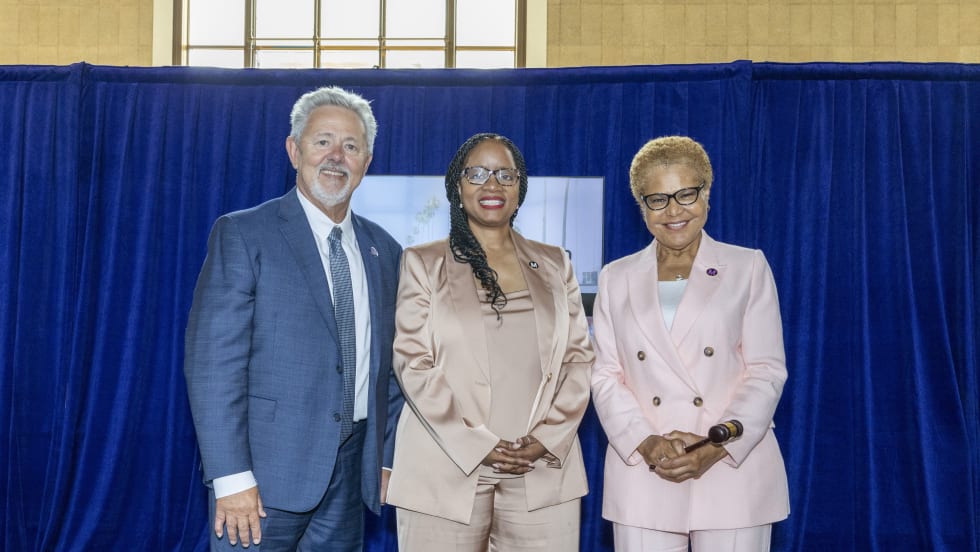
LA Metro Marks Banner Year, Sets Ambitious Goals for New Fiscal Year
Incoming LA Metro Board Chair and Los Angeles Mayor Karen Bass joined outgoing Board Chair Fernando Dutra and LA Metro CEO Stephanie Wiggins to review accomplishments from fiscal year 2026, which included the opening of new rail extensions, advancement of major transit projects, expanded safety programs, and new rider amenities.
Read More →
Building the Next Generation of Transit Technology
In this edition of METROspectives, Luminator CEO Magnus Friberg discusses the company's transformation, the growing role of AI and software, and what's next for transit technology.
Read More →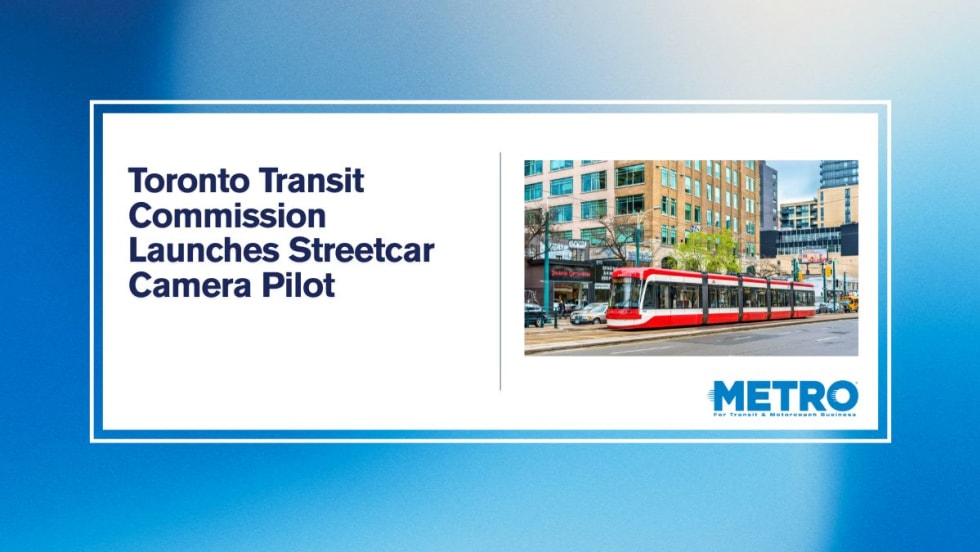
TTC Launches Camera Pilot to Curb Illegal Passing of Streetcars
During the pilot, the cameras will measure how often illegal streetcar passing occurs and test the technology's reliability for future automated enforcement.
Read More →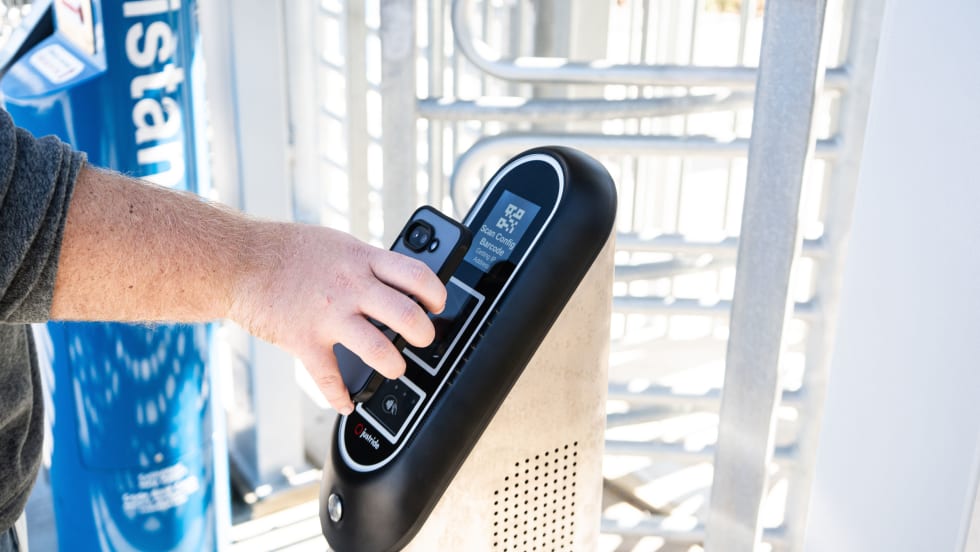
Biz Briefs: Masabi Teams with St. Louis Metro and More
In METRO's latest installment, we take a look at recent news from Transdev, Hitachi, and more partnerships making headlines across the transportation sector.
Read More →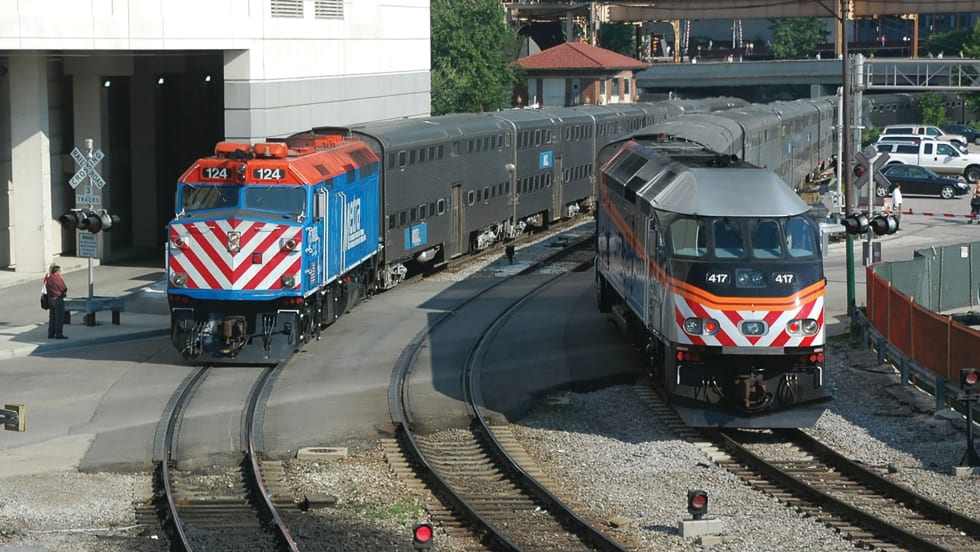
Metra Begins Drone Pilot Project to Boost Safety and Security
The project is funded through a $620,000 grant from FEMA’s Transit Security Grant Program, which provides transit agencies with funding for projects intended to protect critical transportation infrastructure and the traveling public.
Read More →
Building the Next Generation of Transit Technology
In this edition of METROspectives, Luminator CEO Magnus Friberg discusses the company's transformation, the growing role of AI and software, and what's next for transit technology.
Read More →
APTA Recognizes Excellence in Rail Safety and Security at 2026 Rail Conference
Nominations are evaluated on four criteria: effectiveness, benefit level, innovation, and transferability.
Read More →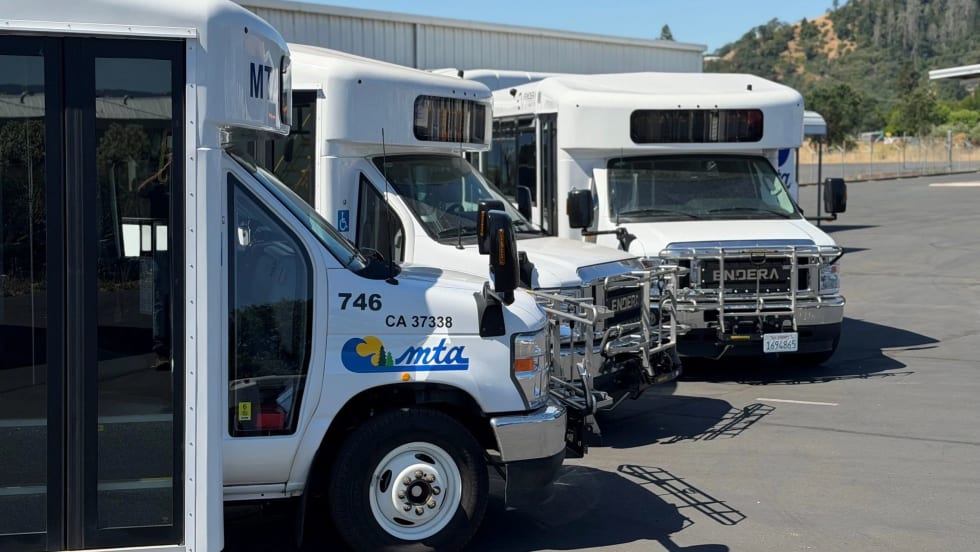
Biz Briefs: Endera Delivers to California, Safety Vision Teams with San Antonio's VIA, and More
From manufacturers and suppliers to transit agencies and motorcoach operators, these updates offer a snapshot of the projects, partnerships and business moves driving the industry forward.
Read More →
The Role of AI in Public Safety for Smart Transit Systems
As transit systems generate more data than ever, AI-powered safety tools are helping agencies detect incidents faster, improve response times and enhance situational awareness.
Read More →