




Looking Back: A METRO Guide to Video Surveillance Systems
AI Video Systems Emerging as Core Safety Infrastructure, Safety Vision Report Finds
Between accident prevention and insurance savings, new research outlines how transportation fleets are leveraging intelligent video and telematics technologies.
March 26, 2026
Safety Vision reports that today’s AI-powered video telematics platforms have transformed previous models by enabling real-time detection of unsafe driving behaviors and road hazards.
Credit:
METRO
2 min to read
A new industry report suggests AI-powered video systems are quickly becoming essential infrastructure for fleets navigating safety challenges and rising operational costs.
Safety Vision recently released its report, “The AI-Powered Fleet: How Intelligent Video Systems Are Transforming Transportation Safety and Operations,” which examines how artificial intelligence, computer vision, and connected video telematics platforms are reshaping transportation safety, fleet operations, and insurance risk management.
The report, now available for download, draws on research from organizations including McKinsey & Company, the Federal Motor Carrier Safety Administration, the National Highway Traffic Safety Administration, the American Public Transportation Association, and the Insurance Institute for Highway Safety to analyze the growing adoption of AI-powered fleet video systems across the transportation industry.
For example, public transit agencies deploying AI-enabled video monitoring have reported measurable reductions in operator-at-fault incidents and passenger safety events, while improving incident investigation and compliance workflows.
According to the research summarized in the report:
- 20–35% reduction in preventable accidents with AI-enabled video monitoring.
- 25–73% crash reduction when video telematics is paired with structured driver coaching programs.
- $3,000–$5,800 in annual value per vehicle from accident reduction, insurance savings, and operational improvements.
- Up to 60% reduction in distracted driving incidents after AI monitoring deployment.
- 94% of vehicle crashes are linked to driver behavior, highlighting the importance of driver monitoring technologies.
The white paper also notes that the global AI in transportation market is projected to exceed $14 billion by 2030, reflecting the “rapid adoption of intelligent safety technologies across fleets worldwide.”
From Incident Recording to Accident Prevention and Insurance Pressures
Traditional fleet camera systems have historically served primarily as incident documentation tools, offering video evidence after accidents. Safety Vision reports that today’s AI-powered video telematics platforms have transformed that model by enabling real-time detection of unsafe driving behaviors and road hazards.
Plus, industry benchmarking shows fleets deploying AI safety platforms “may achieve insurance premium reductions of 12–22% alongside improved safety performance.”
The report also examines the insurance crisis facing commercial fleet operators. Rising litigation costs and the growth of so-called “nuclear verdicts” — jury awards exceeding $10 million — have placed financial pressure on transportation companies.
The report concludes that AI-powered video systems should be viewed as core safety infrastructure supporting long-term operational performance.
According to Safety Vision: “Fleets that combine AI monitoring with structured driver coaching programs, cloud analytics platforms, and integrated telematics systems are achieving the most significant improvements in safety performance and operational efficiency.”
More Security and Safety

FTA Ends Direct Oversight of MBTA Safety Actions
The federal agency closed its remaining special directive to the Massachusetts Department of Public Utilities following a safety review that began in 2022.
Read More →
Transit Agencies Highlight Safety Gains at National Summit
Leaders from 15 major transit systems shared crime-reduction results and safety initiatives while discussing the role of continued federal support.
Read More →
DART Launches Major Security, Fare Enforcement Initiative
The 90-day demonstration will deploy coordinated security teams at five light rail stations while testing controlled access and gathering data to guide future investments.
Read More →
RTD Launches NextRide App to Consolidate Trip Planning, Fares, Security Reporting
The app expands on RTD’s existing NextRide web application and allows customers to view real-time vehicle locations and service alerts, purchase and store digital fares, and access customer support.
Read More →
TAPTCO Updates OSHA Compliance Training for Transit Maintenance Operations
The revamped program addresses 26 OSHA standards for maintenance facilities, with TAPTCO pointing to training, documentation, and everyday shop hazards as continuing challenges for transit operations.
Read More →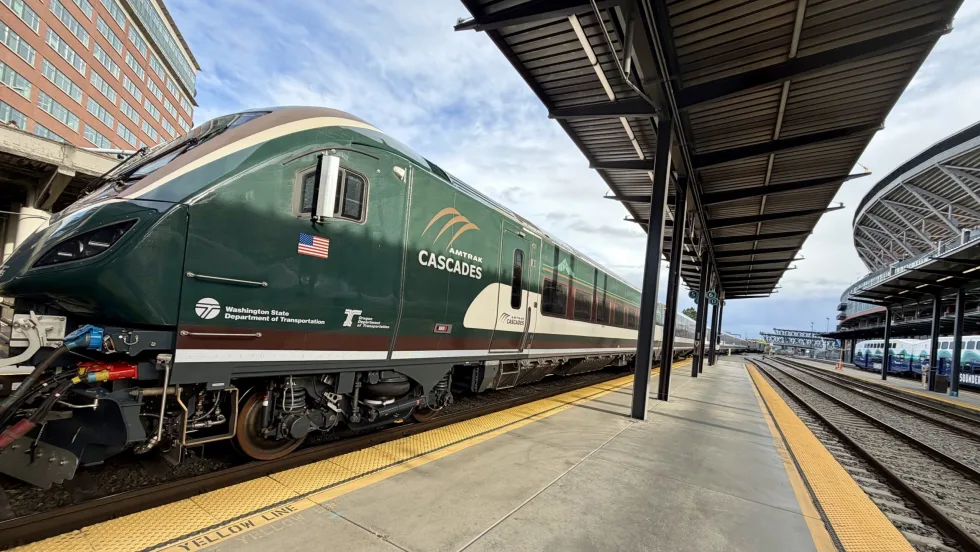
FRA Announces $5.3B in Rail Investments, Including $2B for Amtrak
Funding will support grade-crossing improvements, infrastructure upgrades, and new Amtrak equipment in 23 states.
Read More →
Chicago, Maryland Expand Non-Law-Enforcement Safety, Rider Support
The CTA and MTA are launching new programs aimed at de-escalation, crisis response, rider assistance, and greater transparency.
Read More →
LA Metro, City of West Hollywood, and Partners Advance Smarter Bus Lane Enforcement
The award-winning partnership combines AI-powered detection with human oversight to improve bus reliability, accessibility, and enforcement efficiency.
Read More →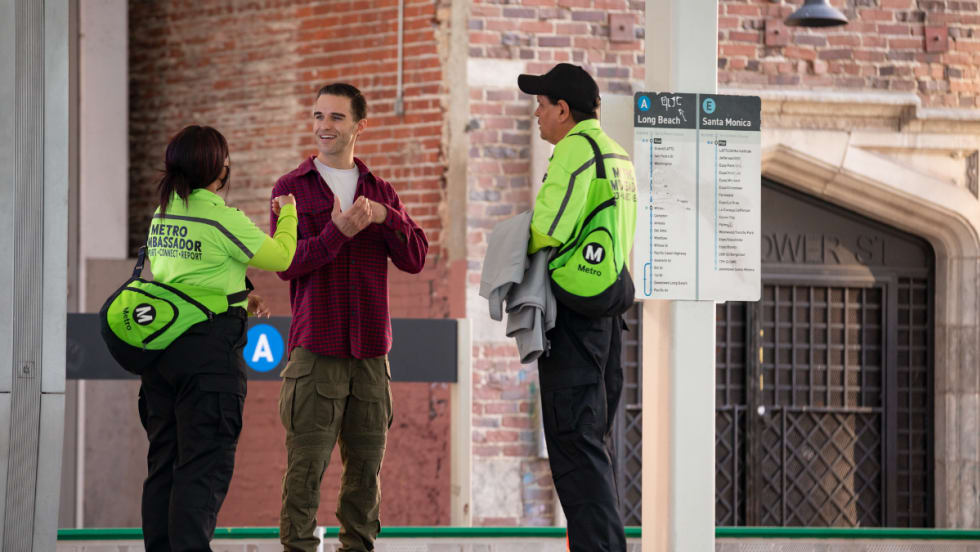
LA Metro Reports 57% Decline in Homelessness on Transit System Since 2024
The agency's latest homelessness count offers new data on how care-based services and cross-sector partnerships can complement traditional transit security strategies.
Read More →
FTA Launches 'Transit Moves America' Dashboard to Highlight Agency Safety and Performance
The online dashboard transforms National Transit Database information into a public-facing resource that allows users to compare transit agencies on key operational and safety metrics.
Read More →