



ABQ RIDE Launches ‘Drive Safe, Ride Safe’ Campaign to Strengthen Internal Safety Culture
The 12-month initiative focuses on staff engagement, training, and reducing preventable incidents.

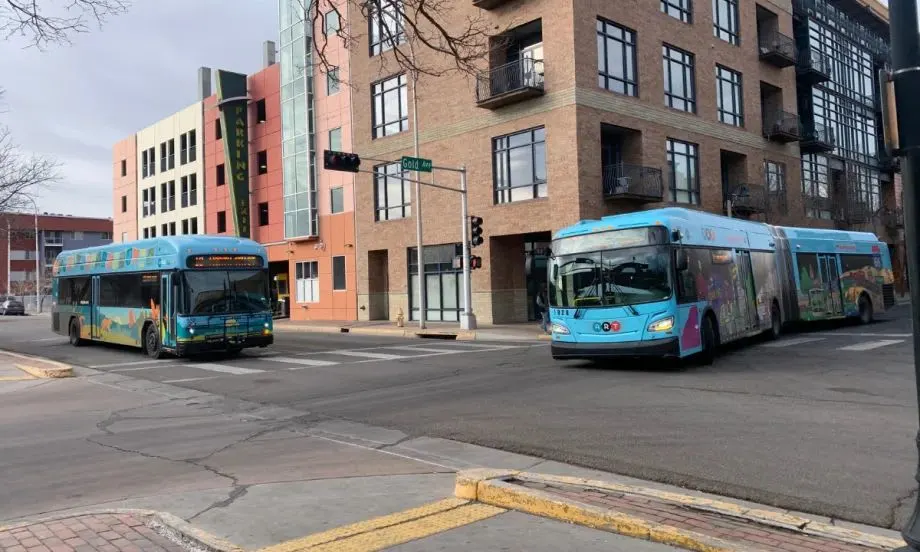
The campaign includes a commitment from all managers to encourage safe practices among staff; a department-wide survey to gauge safety perceptions; the formation of a new safety committee; monthly safety audits; safety talks and modernized training; and tangible safety solutions based on survey feedback.
City of Albuquerque
- ABQ RIDE introduces a ‘Drive Safe, Ride Safe’ campaign aimed at enhancing the internal safety culture.
- The campaign is set to span 12 months, focusing on engaging staff and providing safety training.
- A primary goal is to reduce the number of preventable incidents within the organization.
*Summarized by AI
To reinforce its commitment to public safety, Albuquerque, New Mexico’s ABQ RIDE is launching an internal campaign, “Drive Safe, Ride Safe,” to ensure the transit system’s culture of safety starts with its staff.
The campaign will run for 12 months.
“Improved public safety for our transit system depends on strong leadership,” said Mayor Tim Keller. “By starting with safety inside our organization, that culture will spread to every bus route and van ride in town.”
ABQ RIDE’s Drive Safe, Ride Safe Program
The campaign includes a commitment from all managers to encourage safe practices among staff; a department-wide survey to gauge safety perceptions; the formation of a new safety committee; monthly safety audits; safety talks and modernized training; and tangible safety solutions based on survey feedback.
“Our team is building a culture that’s fanatical about safety. That means considering it in every meeting, every time we step onto a bus, and every time we drive out of the yard at night,” said Transit Director Leslie Keener. “By going back to the basics like slip, trip, and fall prevention, we’re fostering a department where safety is always the priority.”
According to the Victoria Transit Policy Institute, driving a car is far more dangerous than taking transit in terms of crash risk and crime.
ABQ RIDE is focused on addressing preventable safety issues, especially falls, which accounted for approximately 34% of department accidents in 2025. There were 264 accidents in 2025, 44% of which were preventable, and this campaign aims to cut that number by 15%, according to agency officials.
“In the transit industry, we often talk about schedules and ridership. While those matters are secondary to one thing: the safety of our team and the people we serve,” said Transit Safety Compliance Specialist Michael Kitchen. “Our department is working to be a proactive, safety-first environment, which translates to improved safety for the public.”
What’s Next
ABQ RIDE officials said riders should expect new safety announcements on buses, illuminated bus floors during boarding and exiting, more high-visibility safety signage, public invitations to annual town halls on transit safety, and safety tips on its website.
“There are risks in any form of transportation, but ABQ RIDE is dedicated to a culture of safety to provide better rides in Albuquerque,” said Transit Deputy Director Mike Davis. “We are working with our entire staff, from drivers and mechanics to IT, to promote the ‘three Ps’: pause, proactive, and patience.”
Quick Answers
The purpose of the 'Drive Safe, Ride Safe' campaign is to strengthen the internal safety culture within ABQ RIDE by focusing on staff engagement, training, and reducing preventable incidents.
*Summarized by AI
More Security and Safety
Public Transit Conference Returning to GFX in 2027, Call for Papers Now Open
The Call for Papers is now open, allowing transit agency professionals and industry experts to help shape the PTC educational program by submitting session ideas for consideration.
Read More →
Safe Transit Act Proposes New Security Requirements for Federal Transit Funding
Proposed legislation would link federal transit dollars to safety measures while requiring security investments, onboard cameras, and new fare collection standards.
Read More →
FTA Ends Direct Oversight of MBTA Safety Actions
The federal agency closed its remaining special directive to the Massachusetts Department of Public Utilities following a safety review that began in 2022.
Read More →
Transit Agencies Highlight Safety Gains at National Summit
Leaders from 15 major transit systems shared crime-reduction results and safety initiatives while discussing the role of continued federal support.
Read More →
DART Launches Major Security, Fare Enforcement Initiative
The 90-day demonstration will deploy coordinated security teams at five light rail stations while testing controlled access and gathering data to guide future investments.
Read More →
RTD Launches NextRide App to Consolidate Trip Planning, Fares, Security Reporting
The app expands on RTD’s existing NextRide web application and allows customers to view real-time vehicle locations and service alerts, purchase and store digital fares, and access customer support.
Read More →
TAPTCO Updates OSHA Compliance Training for Transit Maintenance Operations
The revamped program addresses 26 OSHA standards for maintenance facilities, with TAPTCO pointing to training, documentation, and everyday shop hazards as continuing challenges for transit operations.
Read More →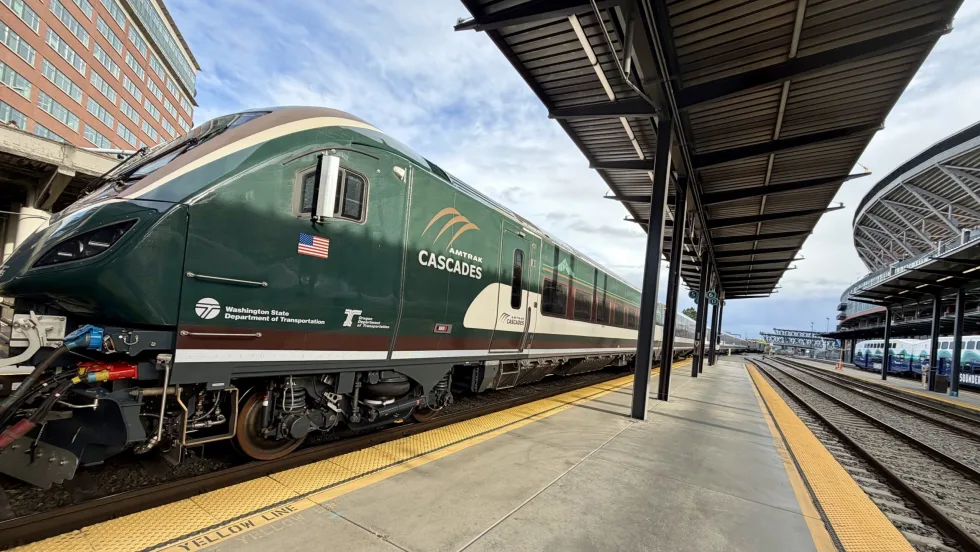
FRA Announces $5.3B in Rail Investments, Including $2B for Amtrak
Funding will support grade-crossing improvements, infrastructure upgrades, and new Amtrak equipment in 23 states.
Read More →
Chicago, Maryland Expand Non-Law-Enforcement Safety, Rider Support
The CTA and MTA are launching new programs aimed at de-escalation, crisis response, rider assistance, and greater transparency.
Read More →
LA Metro, City of West Hollywood, and Partners Advance Smarter Bus Lane Enforcement
The award-winning partnership combines AI-powered detection with human oversight to improve bus reliability, accessibility, and enforcement efficiency.
Read More →