



AI, analytics key to mobile-friendly apps that correct bad driving habits
MARTA is launching a study measuring the impact technology such as Predictive Coach can have on transit drivers.

Telematics and artificial intelligence are being combined to make life a whole lot easier for fleet managers through new technology that not only records bad driver behavior, but creates customized, mobile-friendly, corrective driver-training modules based on a person’s habits on the road.
San Marcos, Calif.-based Predictive Coach is at the head of the curve in this technological breakthrough. In Atlanta, the Metropolitan Atlanta Rapid Transit Authority, through a National Academy of Sciences grant, is launching a study measuring the impact technology such as Predictive Coach can have on transit drivers.
“What they are offering is a pretty unique service,” said Matthew Camden, a research associate in the Behavioral Analysis and Application group at the Virginia Tech Transportation Institute’s Center for Truck and Bus Safety, which is involved in the project.
Camden noted that telematics has long been able to track instances when drivers brake too hard or engage in other types of careless behavior. But with an overabundance of data flowing to fleet managers, too often that information is not acted upon. “It can be overwhelming to review all this data that is coming in and determine what to do with it,” he said. “Predictive Coach fills up that void while also identifying drivers that need some additional training and offering training specifically for and directly related to what an individual driver needs.”
That means a driver who routinely ignores the speed limit could be directed to access a mobile-friendly lesson addressing that flaw. Likewise, a driver with a propensity of making harsh stops or sudden starts will be targeted with lessons addressing those behaviors.
The Predictive Coach mobile solution leverages Tourmaline Lab’s patented artificial intelligence technology that is revolutionizing driver data collection by recording billions of events via a mobile phone or any other data source. “The integration with Predictive Coach automatically assigns the driver the proper training course by using a defined threshold of our behavior events that include phone use, speeding, harsh cornering, harsh stops, hard acceleration, and more,” said Chris Evans, partner channel director for Tourmaline Labs. “For example, if the driver receives enough hard-braking alerts, he or she would be required to take a course for distracted driving.”
Predictive Coach training lessons can be completed via a laptop, tablet, or mobile device, making it easy for drivers to complete assigned training. The fleet manager simply defines course assignment rules and is notified when training has been completed.
Jerome Toliver, president and CEO of RMJ Technologies, said the technology can profoundly improve a company’s bottom line.
“What you have now are situations where a driver will get into an accident and the company will get sued, with a plaintiff saying, ‘You had all this data, but you didn’t act on it,’” he said. “We’re responding to a need by automating training aimed at correcting bad driving behavior and making that training easily accessible and relevant to each individual driver.”
More Security and Safety

Transit Agencies Highlight Safety Gains at National Summit
Leaders from 15 major transit systems shared crime-reduction results and safety initiatives while discussing the role of continued federal support.
Read More →
DART Launches Major Security, Fare Enforcement Initiative
The 90-day demonstration will deploy coordinated security teams at five light rail stations while testing controlled access and gathering data to guide future investments.
Read More →
RTD Launches NextRide App to Consolidate Trip Planning, Fares, Security Reporting
The app expands on RTD’s existing NextRide web application and allows customers to view real-time vehicle locations and service alerts, purchase and store digital fares, and access customer support.
Read More →

TAPTCO Updates OSHA Compliance Training for Transit Maintenance Operations
The revamped program addresses 26 OSHA standards for maintenance facilities, with TAPTCO pointing to training, documentation, and everyday shop hazards as continuing challenges for transit operations.
Read More →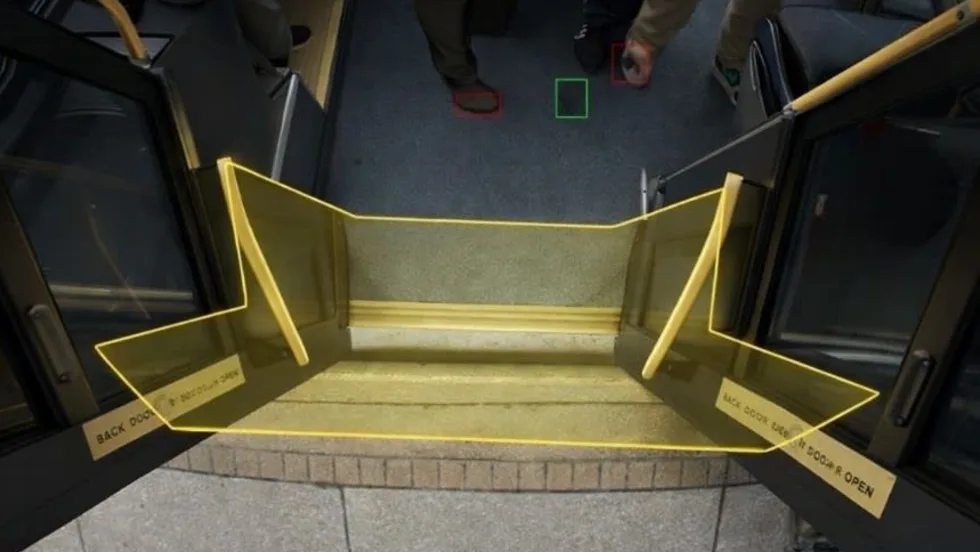
How VaporVision Adds Value to Transit Door Systems
Wabtec engineers explain how the system improves doorway detection, strengthens diagnostics and gives transit agencies and OEMs greater operating flexibility.
Read More →
FRA Announces $5.3B in Rail Investments, Including $2B for Amtrak
Funding will support grade-crossing improvements, infrastructure upgrades, and new Amtrak equipment in 23 states.
Read More →
Chicago, Maryland Expand Non-Law-Enforcement Safety, Rider Support
The CTA and MTA are launching new programs aimed at de-escalation, crisis response, rider assistance, and greater transparency.
Read More →
LA Metro, City of West Hollywood, and Partners Advance Smarter Bus Lane Enforcement
The award-winning partnership combines AI-powered detection with human oversight to improve bus reliability, accessibility, and enforcement efficiency.
Read More →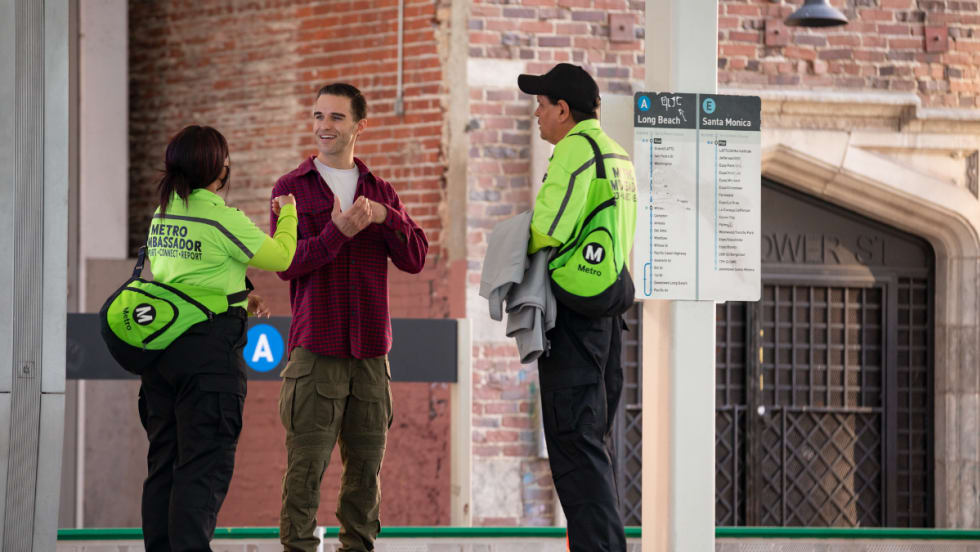
LA Metro Reports 57% Decline in Homelessness on Transit System Since 2024
The agency's latest homelessness count offers new data on how care-based services and cross-sector partnerships can complement traditional transit security strategies.
Read More →
FTA Launches 'Transit Moves America' Dashboard to Highlight Agency Safety and Performance
The online dashboard transforms National Transit Database information into a public-facing resource that allows users to compare transit agencies on key operational and safety metrics.
Read More →