




RELATED: Mobile Surveillance Systems Eye Safety, Accountability
March Networks unveils new solution for passenger rail fleets
The RideSafe RT Series IP Recorder is ideal for rail fleets ready to transition to scalable, all-IP video capture.
May 1, 2018
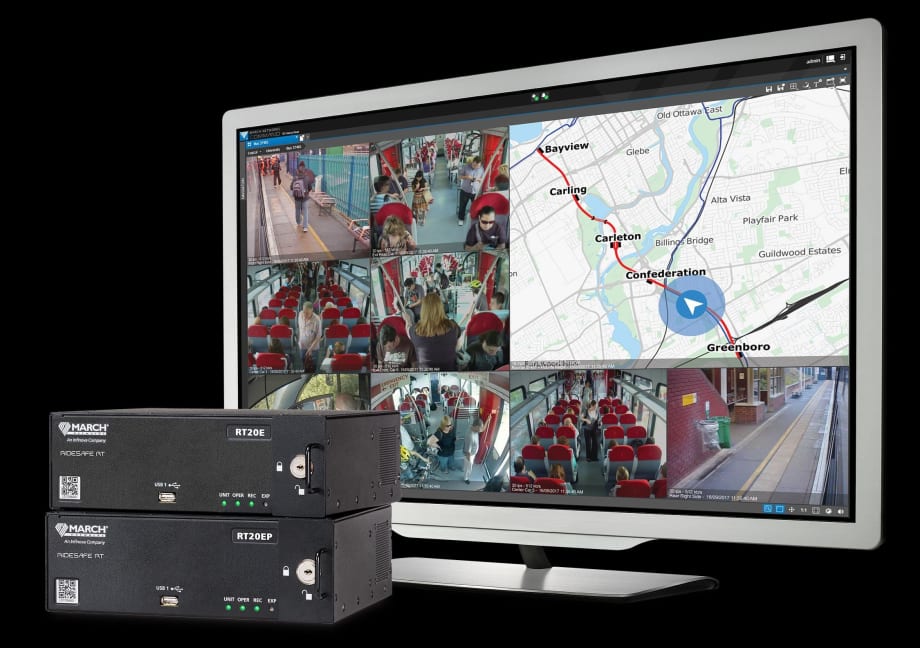
Rail operators can use the Command software to search for recorded events, including emergency brake activation, speed, location and driver-tagged incidents, and review these incidents along with the associated video.
March Networks
2 min to read

March Networks® released its new March Networks RideSafe™ RT Series IP Recorder, a new video recording and management platform designed to help passenger rail operators improve security and incident investigation using integrated high-definition (HD) video and vehicle data.
Available in two 20-channel models — the RT20E and the RT20EP with eight PoE ports for vehicles that require integrated camera power — the RideSafe RT Series IP Recorder is ideal for rail fleets ready to transition to scalable, all-IP video capture. It provides operators with sharp megapixel video evidence at a full 30 fps per channel, and time-saving video and data extraction over Wi-Fi or 4G wireless networks.
The recorder complements March Networks’ complete video solution for mobile and wayside environments, which also includes mobile IP cameras, user-friendly client software, and video systems designed for use in stations and other transit facilities. All of the products integrate seamlessly and can be centrally managed with powerful March Networks Command™ Enterprise video management software. In addition, March Networks mobile and fixed recorders come with all channel licensing included, providing rail operators with a convenient, plug-and-play platform right out of the box.
Continuing the company’s commitment to video solutions that enable better operational intelligence and risk mitigation, the March Networks RideSafe™ RT Series delivers innovative search and investigation capabilities through integrations with leading Train Control and Management Systems (TCMS), Passenger Information Systems (PIS), GPS, and other peripheral devices.
Rail operators can use the Command software to search for recorded events, including emergency brake activation, speed, location and driver-tagged incidents, and review these incidents along with the associated video. The combined video and data enables fleet operators to investigate complaints, liability claims, and other events quickly and cost-effectively and resolve disputes with the help of compelling video evidence. They can also use the investigation tool to proactively identify and address potential issues, such as a malfunctioning door, before an incident occurs.
In addition, the recorder is purpose-built for reliable operation in demanding rail environments, incorporating features such as an embedded Linux OS, solid state drives, front panel diagnostic LEDs, an optional battery backup, and real-time system health monitoring. It is also compliant with multiple environmental, electromagnetic and shock/vibration regulatory standards, including EN50155.
More Technology
Sponsored•August 2, 2026
Turn Transit Data Into Action
Discover how leading agencies are using connected technology to gain real-time visibility across operations, improve service reliability, and reduce disruptions.
Read More →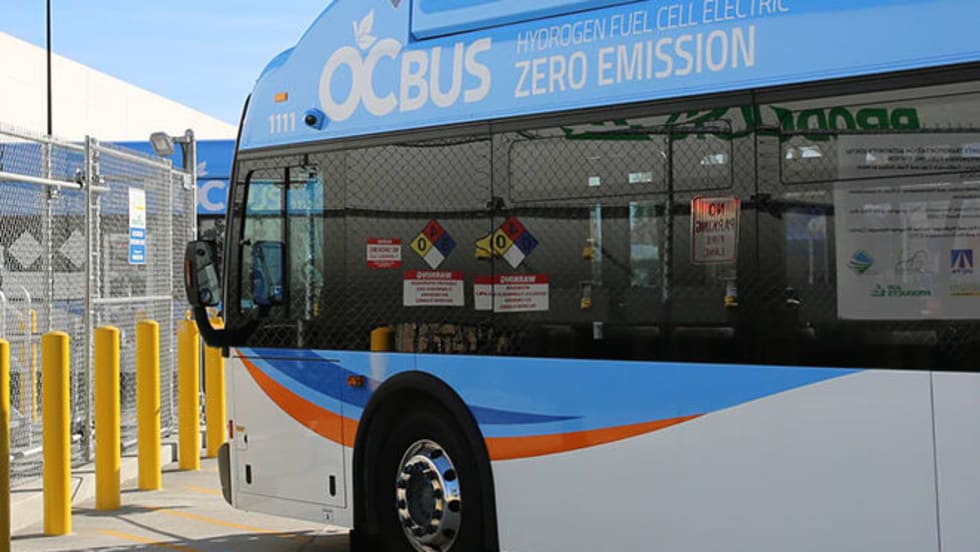
Biz Briefs: OCTA Taps Clean Energy for Hydrogen Station, Stadler to Supply Via Rail Vehicles, and More
From manufacturers and suppliers to transit agencies and motorcoach operators, these updates offer a snapshot of the projects, partnerships and business moves driving the industry forward.
Read More →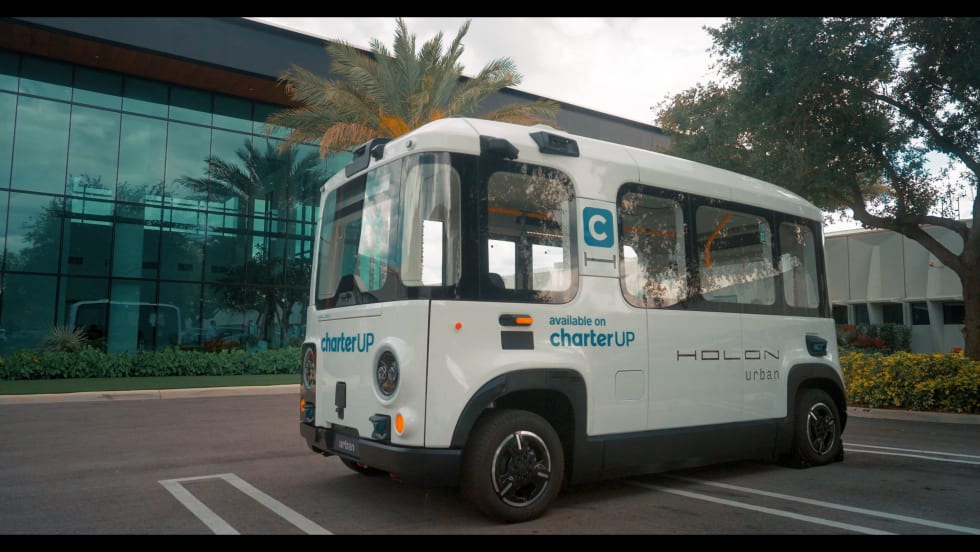
CharterUP Expands Into New Mobility and Autonomous Transportation
Vice President of New Mobility Stephen Joos discusses how CharterUP is leveraging its nationwide transportation network, technology platform, and autonomous vehicle partnerships to expand into workforce mobility, campus shuttles, and transit solutions.
Read More →
METRO Magazine Announces 2026 Innovative Solutions Awards Winners
Projects Recognized for Advancing Mobility Through Technology, Accessibility, Workforce Innovation, and Operational Excellence
Read More →
Cummins Introduces Phased Model Year 2027 Launch Strategy
According to officials, the approach is designed to maintain regulatory compliance, support customer production schedules, and provide additional time to ramp production in a disciplined manner that helps ensure a successful transition for the industry.
Read More →
Biz Briefs: STV teams with Amtrak, Motorcoach Operators Boost Fleet and Land Contracts, and More
From manufacturers and suppliers to transit agencies and motorcoach operators, these updates offer a snapshot of the projects, partnerships and business moves driving the industry forward.
Read More →
DART Taps Nathaniel P. Ford Sr. as Next President/CEO
Since 2012, Ford has served as the CEO of the Jacksonville Transportation Authority
Read More →
AC Transit’s Cecil Blandon on Building the Next Generation of Transit Maintenance Leaders
The agency’s maintenance chief discusses leadership, workforce development, zero-emission technology, and preparing technicians for the future of public transportation.
Read More →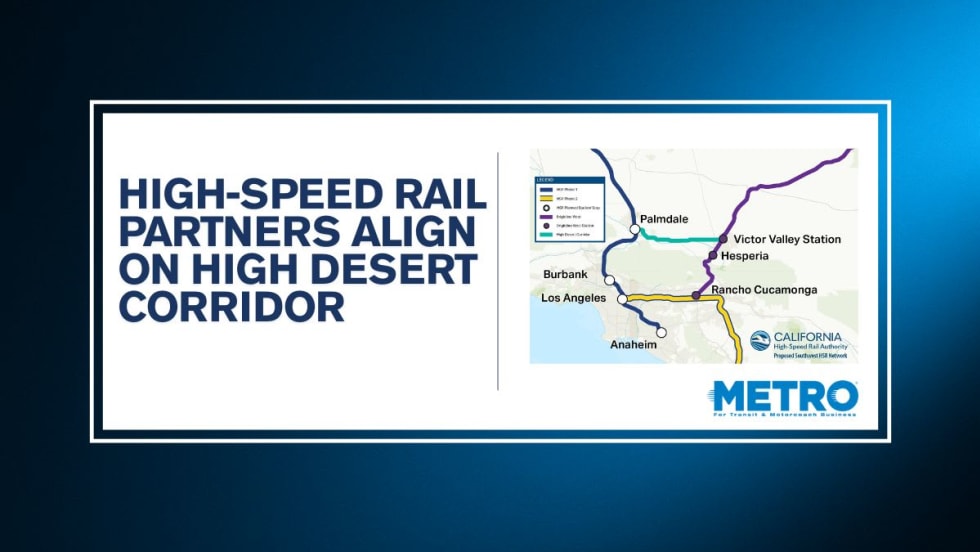
California High-Speed Rail Authority Signs MOU to Advance High Desert Corridor
The agreement deepens collaboration between the California High-Speed Rail Authority and the High Desert Corridor Joint Powers Agency, supporting design integration, cost savings, and faster delivery of a key Southern California rail link.
Read More →
Building the Next Generation of Transit Technology
In this edition of METROspectives, Luminator CEO Magnus Friberg discusses the company's transformation, the growing role of AI and software, and what's next for transit technology.
Read More →