




RELATED: Luminator, Houck Transit partner to bring digital onboard advertising to transit agencies
Luminator, Tolar Manufacturing partner for transit 'smart' shelters
Apollo Video Technology's high definition CCTV video surveillance system can also be integrated for enhanced safety and security of waiting passengers and transit property.
January 4, 2018
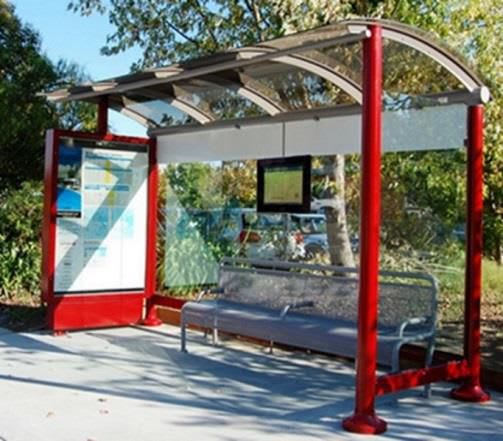
Luminator’s shelter signs portfolio includes TFT, LCD, and low-power displays for use in any application- with or without a power grid present- for real-time passenger updates.
2 min to read
Luminator’s shelter signs portfolio includes TFT, LCD, and low-power displays for use in any application- with or without a power grid present- for real-time passenger updates.
Luminator Technology Group, provider of transit passenger information display solutions, and Tolar Manufacturing Company (Tolar), a transit shelter manufacturer, announced availability of high-resolution digital smart shelter technology for North American transit agencies.
Luminator’s shelter signs portfolio includes TFT, LCD, and low-power displays for use in any application- with or without a power grid present- for real-time passenger updates. Sister company Apollo Video Technology’s high definition CCTV video surveillance system can also be integrated for enhanced safety and security of waiting passengers and transit property.
“Keeping passengers updated with current bus service, arrival/departure status, and targeted advertising media, as well as enhancing their safety and security, is what Luminator does. The same technology used onboard vehicles can be extended to remote, fixed locations to increase the transit agency’s overall value proposition to their customers. We are fortunate to have Tolar Manufacturing, as the industry leader in innovative smart shelter technology partnering with us on this.” said Dan Kelleher, VP, sales and marketing, at Luminator.
“Growing passenger expectations now require our transit clients to think beyond a basic transit shelter and seating. They are looking for innovative solutions to communicate service updates to their transit customers, enhance their safety, and minimize wait times.” commented Patrick Merrick, executive VP of Tolar. “That’s why we created SmartPlace™ shelters and are working with leading technology providers like Luminator to bring our clients’ visions to reality.”
More Technology

Beyond the Checklist: A Structured Approach to Transit Maintenance
Reliability-Centered Maintenance helps transit agencies move beyond routine checklists to focus limited resources on the assets and failures that have the greatest impact on safety, reliability, and service.
Read More →
NJ TRANSIT Advances Bus Technology Upgrades Across Statewide Fleet
More than 1,500 buses now feature upgraded technology designed to improve arrival predictions and provide free Wi-Fi, with deployment expected to reach nearly 2,000 buses by the end of 2026.
Read More →
Building a Flexible Path to Transit Electrification
John Hroncich discusses BAE Systems’ modular and scalable approach, lessons learned from decades of real-world operations, and how agencies can identify electrification strategies that fit their fleets.
Read More →

Biz Briefs: Alstom Lands Canadian Contract, LYT to Supply California TSP, and More
In METRO's latest installment, we take a look at recent news from Complete Coach Works, Beep, FlixBus, and more partnerships making headlines across the transportation sector.
Read More →
Sponsored•September 8, 2026
From Legacy Silos to Conversational Intelligence
What if transit leaders could ask any operational question and get a trusted answer in seconds? Conversational AI is transforming how agencies use their data.
Read More →
USDOT Announces Rail Vehicle Replacement Grants, Chattanooga AV Shuttle Funding
More than $191 million in federal funding will help three transit agencies replace aging rail vehicles and support a new autonomous shuttle service in Chattanooga.
Read More →
Bus Tech Talk: Keeping Transit Technicians Ahead of the Technology Curve
LA Metro’s Obed Mejia discusses technician training, evolving maintenance technology, fleet replacement, and strategies for getting the most out of today’s transit fleets.
Read More →
Biz Briefs: RIPTA Unveils New Frontrunners, Clevland RTA Adds New Siemens, and More
In METRO's latest installment, we take a look at recent news from Siemens, Prevost, Dodge, and more partnerships making headlines across the transportation sector.
Read More →
Why Simulating Pedestrian Movement Has Become Essential for Modern Rail Stations
Pedestrian microsimulation is helping rail planners identify bottlenecks, test station designs, and prepare complex transit hubs for growing passenger volumes.
Read More →
APTA Transform Conference & EXPO Exhibitor Spotlight
METRO’s Exhibitor Spotlight provides a quick look at some of the companies exhibiting at this year’s event, including where to find them on the show floor.
Read More →