



Terrel Smith Launches New TransitOne Venture, Focuses on Building Relationships
The company partners with manufacturers such as Kiel Seating, Camira Fabric, and TSI Video, focusing on areas that directly impact both passenger experience and operational performance.

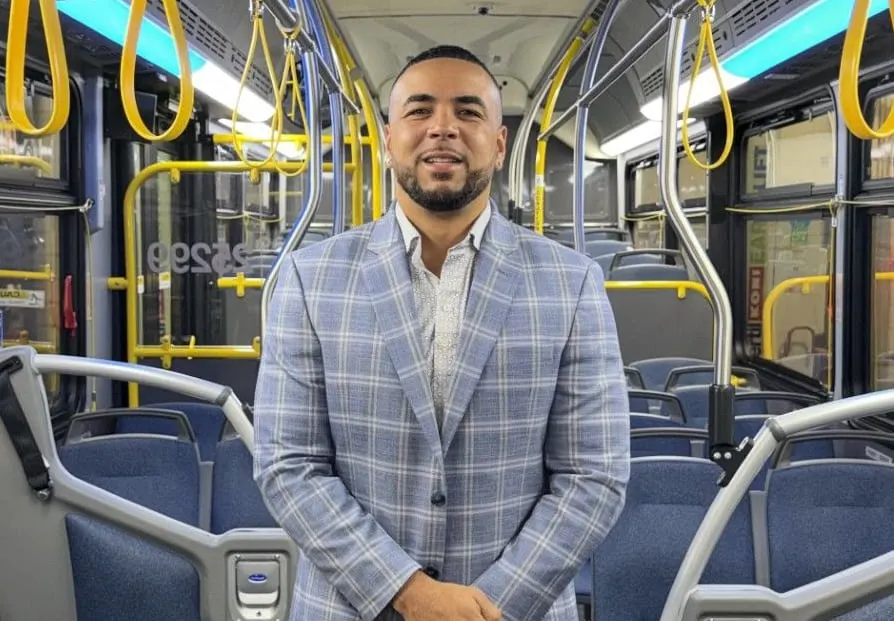
Led by industry veteran Terrel Smith, TransitOne connects agencies with products spanning seating, interior fabrics, and onboard video surveillance systems.
- Terrel Smith has launched a new venture named TransitOne aimed at enhancing relationships.
- The company collaborates with manufacturers such as Kiel Seating, Camira Fabric, and TSI Video.
- TransitOne focuses on improving passenger experience and operational performance.
*Summarized by AI
TransitOne, an independent manufacturer representative firm focused on serving transit agencies, is launching its presence in the market with an emphasis on direct relationships and hands-on support.
Led by industry veteran Terrel Smith, the company connects agencies with products spanning seating, interior fabrics, and onboard video surveillance systems.
As transit agencies navigate tighter budgets, aging fleets, and increasingly complex procurement decisions, the role of manufacturer representatives is becoming more strategic.
For Terrel Smith, president and owner of TransitOne, that shift is rooted in a straightforward philosophy: “show up, stay in communication, and always have your client’s back.”
The company partners with manufacturers such as Kiel Seating, Camira Fabric, and TSI Video, focusing on areas that directly impact both passenger experience and operational performance.
Building Relationships Key
Smith’s approach is shaped by more than a decade of industry experience.
Before launching TransitOne, he held leadership roles at Metro Transit Sales and Transit Marketing Group, where he built relationships with agencies and developed a deep understanding of how products perform in real-world operating environments. That foundation continues to guide the firm’s emphasis on matching the right solutions to each agency’s specific needs.
TransitOne’s independent structure is central to its business model. Without the layers often associated with larger distribution networks, the firm operates with a more direct and responsive approach — something Smith said is increasingly important as agencies balance procurement timelines, funding constraints, and evolving technical requirements.
“The agencies I work with aren’t just getting a catalog and a phone number,” said Smith. “They’re getting someone who knows the products, knows the industry, and is going to be there when something comes up.”
TransitOne’s independent structure is central to its business model, said Terrel Smith.
TransitOne
Going Beyond A Transaction
As transit systems continue to modernize and respond to rising expectations around safety, reliability, and passenger comfort, Smith said the role of a manufacturer representative is shifting beyond transactional sales.
Firms are increasingly expected to serve as knowledgeable partners that can help agencies navigate product options, streamline procurement, and support long-term performance.
Looking ahead, TransitOne is positioning itself to meet those needs by combining product expertise with a relationship-driven approach, as agencies seek solutions that align with both operational priorities and evolving rider expectations.
Quick Answers
The main focus of TransitOne is building relationships by partnering with manufacturers to enhance passenger experience and operational performance.
*Summarized by AI
More Management

Bus Tech Talk: Keeping Transit Technicians Ahead of the Technology Curve
In this episode of Bus Tech Talk, Complete Coach Works’ Business Development Manager Mark Hollenbeck and METRO’s Executive Editor Alex Roman sit down with Obed Mejia, Senior Technical Trainer for Bus Maintenance, at LA Metro to discuss how rapidly evolving bus technology is changing the maintenance shop — and the skills technicians need to keep pace.
Read More →
Michael Schneider Joins Paslay Group to Expand Transportation Practice
The longtime transportation executive will help Paslay Group grow its advisory and program management work across transit, highway, and other infrastructure sectors.
Read More →
People Movement: Connectpoint Expands Leadership Team, Stadler Names New Group CEO, and More
In this edition, we also spotlight recent personnel moves at Burns, UZURV, and more, highlighting the people taking on new roles across the transportation industry.
Read More →
More Than a Summer Job: Building the Next Generation of Transit Talent
The Delaware River Port Authority and PATCO have transformed their internship program into a hands-on professional development experience that introduces students to the breadth of transportation careers — and creates a pipeline for future employees.
Read More →
LA Metro Board Awards 220 Battery-Electric Bus Contract to ENC
The contract, which is the largest base award of battery-electric buses by a U.S. transit agency, will be built in Southern California, sustaining good jobs as LA prepares to welcome the world in 2028
Read More →
What’s Behind San Diego MTS’s Award-Winning Transit Strategy
Named one of APTA’s 2026 Outstanding Public Transportation Systems with 50 million or more annual passenger trips, California’s San Diego Metropolitan Transit System points to gains in ridership, safety, technology, and reliability as foundations of its success.
Read More →
Public Transit Conference Returning to GFX in 2027, Call for Papers Now Open
The Call for Papers is now open, allowing transit agency professionals and industry experts to help shape the PTC educational program by submitting session ideas for consideration.
Read More →
Indian River Transit’s Community-Focused Approach Earns National Recognition
Named APTA’s 2026 Outstanding Public Transportation System in its size category, Florida’s Indian River County transit system continues to grow ridership through fare-free service and a focus on evolving community needs.
Read More →
ENC Lands MATA Contract and More in Biz Briefs
In this edition of Biz Briefs, we spotlight the latest developments shaping the future of mobility.
Read More →From Surviving to Thriving: Building Stronger Transportation Organizations
Bus Business Consultants founder Brian Dickson shares lessons on leadership, organizational health, and creating options for long-term success in a changing transportation industry.
Read More →