




RELATED: How LA Metro inspires, trains tomorrow's transportation workforce
Mayor unveils LA Metro '28 by 28' Olympic transportation projects initiative
Seventeen projects already are slated for completion before 2028, of which four are Measure R funded and 13 are funded by Measure M. Eight additional accelerated project schedules are deemed “aspirational.”
December 4, 2017

MicroTransit, an I-10 ExpressLanes extension to the San Bernardino County line, and Blue Line Signal and Washington/Flower Junction Improvements would require funding resources.
Prayitno
2 min to read
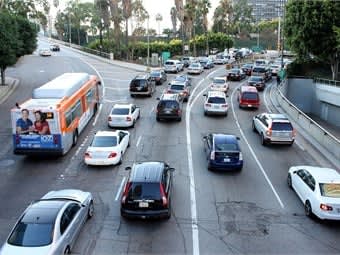
MicroTransit, an I-10 ExpressLanes extension to the San Bernardino County line, and Blue Line Signal and Washington/Flower Junction Improvements would require funding resources.
Prayitno
With the Olympic and Paralympic Games coming to the Los Angeles region in summer 2028, the Los Angeles County Metropolitan Transportation Authority (Metro) is working on a “Twenty-Eight by ‘28” Initiative to ensure that 28 key road, transit, and bicycle/pedestrian projects are completed in time for the 2028 Games in Los Angeles. Many of the projects are already scheduled to be completed by then. Others would need accelerated funding to complete by 2028.
“Winning the 2028 Olympic Games gives us the chance to re-imagine Los Angeles, and ask ourselves what legacy we will create for generations to come. Twenty-Eight by ‘28 will help us frame the progress we're striving to make in the years leading up to the Games,” said Mayor Eric Garcetti, Chair of the Metro Board. “This initiative is our opportunity to harness the unifying power of the Olympic Movement to transform our transportation future.”
Seventeen projects already are slated for completion before 2028, of which four are Measure R funded and 13 are funded by Measure M. Eight additional accelerated project schedules are deemed “aspirational,” which means that the projects have a current delivery date after 2028. These include four Measure M megaprojects that will require accelerated resources to deliver significantly earlier.
MicroTransit, an I-10 ExpressLanes extension to the San Bernardino County line, and Blue Line Signal and Washington/Flower Junction Improvements would require funding resources. As stated in the voter-approved Measure M ordinance, project schedule acceleration only may occur if doing so does not delay delivery of any other project.
“The 2028 Olympic and Paralympic Games offer an opportunity for us to work with the state and federal governments to move our projects forward for the good of the people in our region,” said Metro CEO Phillip A. Washington.
There will be no financial impact from this action nor would there be, should the Metro Board adopt the Twenty-Eight by ’28 Initiative. All commitments in Measure M would still be met, regardless of inclusion on the list.
More New Mobility

Everett Transit, Community Transit Outline Consolidation Agreement
The proposed agreement calls for a 50% increase in bus service in Everett, a new microtransit zone, continued paratransit service, and the transfer of Everett Transit operations to Community Transit.
Read More →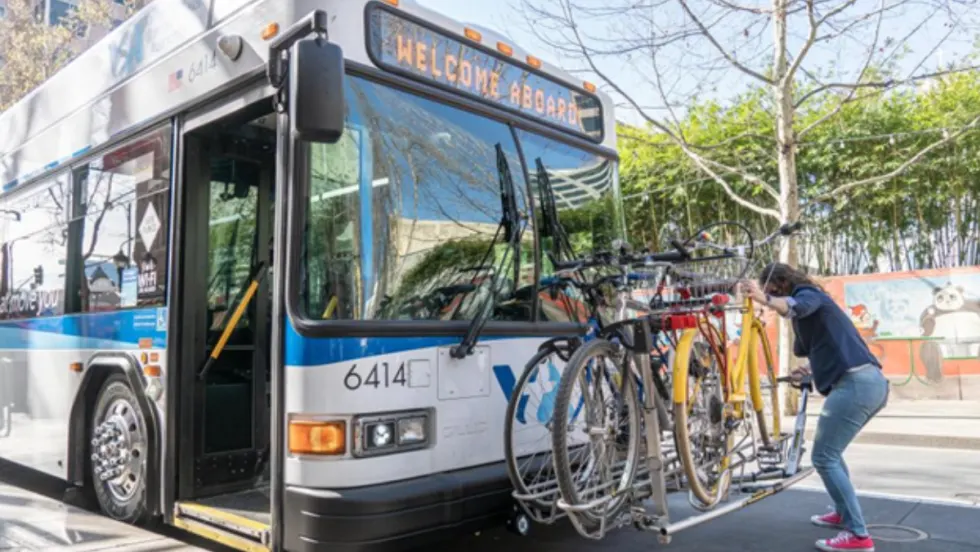
What Multimodal Data Can Tell Transit Agencies About Rider Demand
See how bike-on-bus data is giving transit agencies new insight into rider demand, capacity constraints, and gaps in first- and last-mile connections.
Read More →
From Hardware to Digital Partner: Luminator Charts Its Next Chapter
CEO Magnus Friberg discusses Luminator’s shift toward becoming a digital partner, the growing importance of software and interoperability, and how AI can help agencies improve operations and passenger experience.
Read More →
Biz Briefs: Alstom Lands Canadian Contract, LYT to Supply California TSP, and More
In METRO's latest installment, we take a look at recent news from Complete Coach Works, Beep, FlixBus, and more partnerships making headlines across the transportation sector.
Read More →
CharterUP’s Armir Harris on Technology, AI, and the Future of Group Mobility
In a recent episode of METROspectives, CharterUP Founder/CEO Armir Harris discussed the company’s evolution from an online charter bus marketplace into a technology platform supporting public- and private-sector mobility and much more.
Read More →
Jacksonville’s NAVI Project Charts a New Course for Autonomous Public Transportation
Through its NAVI program, JTA is showing how autonomous vehicles, intelligent infrastructure, and coordinated operations can work together to deliver everyday public transportation.
Read More →
Biz Briefs: Luminator Marks Milestone and More
From manufacturers and suppliers to transit agencies and motorcoach operators, these updates offer a snapshot of the projects, partnerships and business moves driving the industry forward.
Read More →
New Tricks for Old Bureaucracies: Joshua Schank on Making Transit Innovation Stick
Former LA Metro Chief Innovation Officer Joshua Schank discusses why good ideas aren't enough, how transit agencies can overcome resistance to change, and why today's challenges demand more innovation.
Read More →
How DART's GoPass Is Redefining Regional Mobility
Serving 14 transit agencies, GoPass simplifies multimodal travel by allowing riders to plan, pay for, and manage an entire trip through one app.
Read More →
Biz Briefs: OCTA Taps Clean Energy for Hydrogen Station, Stadler to Supply Via Rail Vehicles, and More
From manufacturers and suppliers to transit agencies and motorcoach operators, these updates offer a snapshot of the projects, partnerships and business moves driving the industry forward.
Read More →