




RELATED: Autonomous vehicle map shows global cities' driverless plans
AAA, Keolis launch nation’s 1st public self-driving shuttle in Las Vegas
The shuttle is the country’s first autonomous shuttle to be fully integrated with “smart city” infrastructure, communicating with traffic signals to improve safety and traffic flow.
November 7, 2017
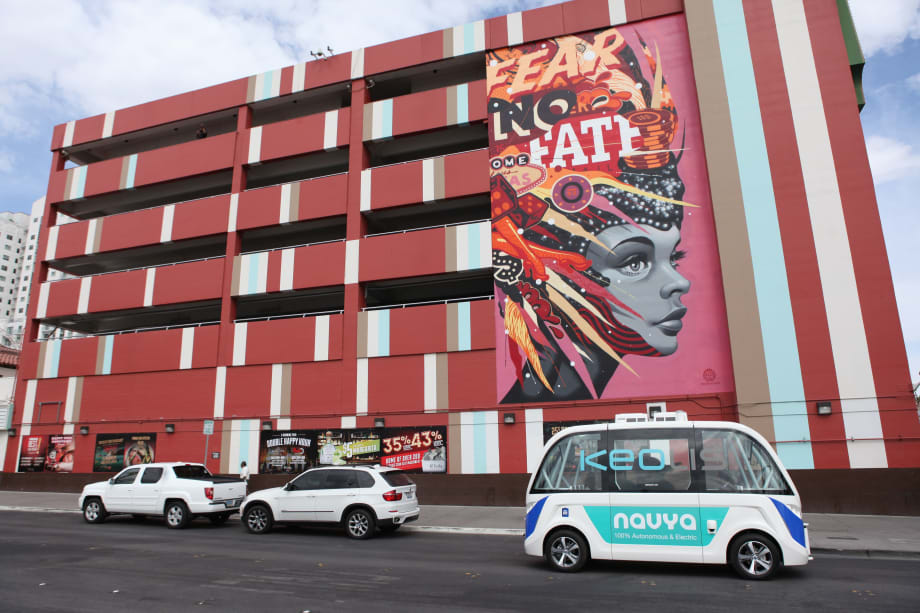
This pilot builds on Keolis’ limited shuttle launch in downtown Las Vegas in early 2017; today’s launch will be the first self-driving vehicle to be fully integrated with a city’s traffic infrastructure. Photo: Keolis
3 min to read
This pilot builds on Keolis’ limited shuttle launch in downtown Las Vegas in early 2017; today’s launch will be the first self-driving vehicle to be fully integrated with a city’s traffic infrastructure. Photo: Keolis
AAA Northern California, Nevada & Utah (AAA) is sponsoring the nation’s first self-driving shuttle pilot project geared specifically for the public. Over the course of a year, the self-driving shuttle aims at providing a quarter-million residents and visitors of Las Vegas with first-hand experience using autonomous vehicle (AV) technology, exposing most riders to the technology for the first time.
This pilot builds on Keolis’ limited shuttle launch in downtown Las Vegas in early 2017; today’s launch will be the first self-driving vehicle to be fully integrated with a city’s traffic infrastructure.
In addition to studying how the shuttle interacts in a live traffic environment in downtown Las Vegas’ busy Innovation District, AAA will survey riders on their experience in order to understand why a large percentage of consumers remain wary of driverless technology, and whether a personal experience changes their perception. AAA partnered with the city of Las Vegas, the Regional Transportation Commission of Southern Nevada (RTC) and Keolis North America (Keolis), which will operate and maintain the NAVYA Arma fully electric shuttle.
The shuttle is manufactured by NAVYA, comes equipped with LiDAR technology, GPS, cameras, and seats eight passengers with seatbelts. Safety features include the ability to automatically and immediately brake in the event of a pedestrian crossing in the path of the vehicle. In addition to surveying the shuttle’s riders, AAA will examine how others sharing the streets react to it — including pedestrians and cyclists. AAA chose Las Vegas for the launch because of the state’s progressive regulations on autonomous vehicles, heavy investment in innovation, the high volume of visitors and a sunny, dry climate that’s favorable for testing new driving technology, said Mayor Carolyn G. Goodman.
In addition to the pilot in Las Vegas, AAA also partnered with GoMentum Station in Concord, Calif. to study vehicles being tested at the nation’s largest secure proving grounds for connected and autonomous technology.
How the Self-Driving Shuttle Pilot Program Works
Covering a 0.6-mile loop in the Fremont East “Innovation District” of downtown Las Vegas, the all-electric, self-driving shuttle offers free rides for people to experience autonomous transportation in a real-world environment. The shuttle is the country’s first autonomous shuttle to be fully integrated with “smart city” infrastructure, communicating with traffic signals to improve safety and traffic flow. The shuttle is operated and maintained by Keolis, which also led the efforts to integrate its vehicle into the smart city infrastructure, in partnership with the City of Las Vegas and NAVYA.
The shuttle can be boarded at any of the AV shuttle’s three stops located on Fremont St and Carson St between Las Vegas Blvd and 8th Street.
The auto club will donate $1 per passenger during the pilot program for a minimum donation of $100,000 to the Las Vegas Victims’ Fund and its efforts to support the needs of people impacted by the Las Vegas mass shooting on October 1, 2017.
More New Mobility
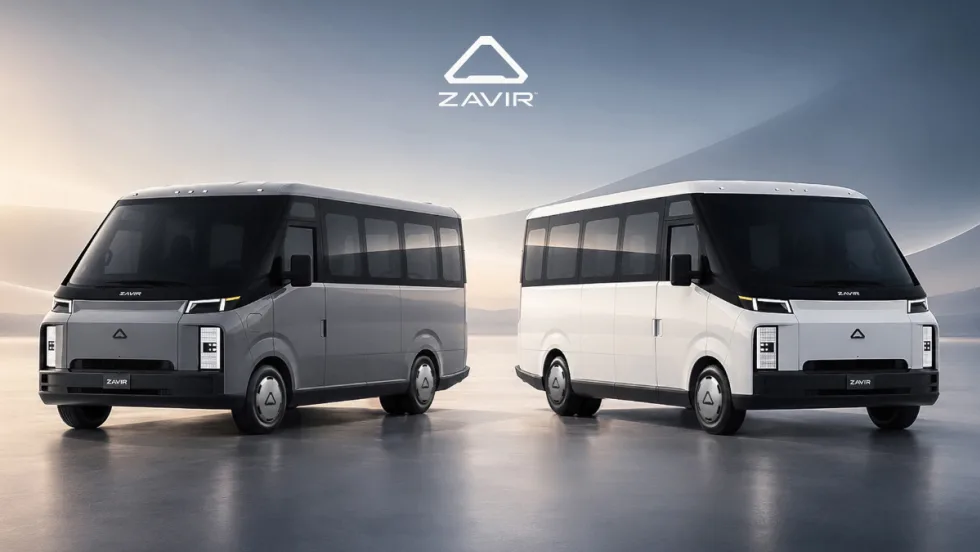
ENC Unveils ZAVIR Medium-Duty Electric Shuttle at APTA EXPO
The new ZAVIR brand targets shuttle and paratransit operations with battery-electric and range-extended electric vehicle options.
Read More →
Public Transit Conference Returning to GFX in 2027, Call for Papers Now Open
The Call for Papers is now open, allowing transit agency professionals and industry experts to help shape the PTC educational program by submitting session ideas for consideration.
Read More →
Everett Transit, Community Transit Outline Consolidation Agreement
The proposed agreement calls for a 50% increase in bus service in Everett, a new microtransit zone, continued paratransit service, and the transfer of Everett Transit operations to Community Transit.
Read More →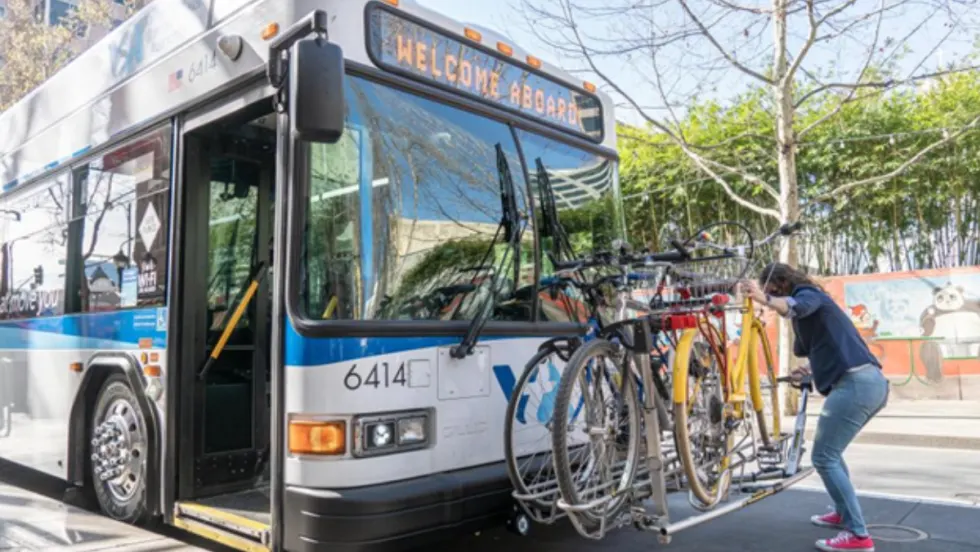
What Multimodal Data Can Tell Transit Agencies About Rider Demand
See how bike-on-bus data is giving transit agencies new insight into rider demand, capacity constraints, and gaps in first- and last-mile connections.
Read More →
From Hardware to Digital Partner: Luminator Charts Its Next Chapter
CEO Magnus Friberg discusses Luminator’s shift toward becoming a digital partner, the growing importance of software and interoperability, and how AI can help agencies improve operations and passenger experience.
Read More →
Biz Briefs: Alstom Lands Canadian Contract, LYT to Supply California TSP, and More
In METRO's latest installment, we take a look at recent news from Complete Coach Works, Beep, FlixBus, and more partnerships making headlines across the transportation sector.
Read More →
CharterUP’s Armir Harris on Technology, AI, and the Future of Group Mobility
In a recent episode of METROspectives, CharterUP Founder/CEO Armir Harris discussed the company’s evolution from an online charter bus marketplace into a technology platform supporting public- and private-sector mobility and much more.
Read More →
Jacksonville’s NAVI Project Charts a New Course for Autonomous Public Transportation
Through its NAVI program, JTA is showing how autonomous vehicles, intelligent infrastructure, and coordinated operations can work together to deliver everyday public transportation.
Read More →
Biz Briefs: Luminator Marks Milestone and More
From manufacturers and suppliers to transit agencies and motorcoach operators, these updates offer a snapshot of the projects, partnerships and business moves driving the industry forward.
Read More →
New Tricks for Old Bureaucracies: Joshua Schank on Making Transit Innovation Stick
Former LA Metro Chief Innovation Officer Joshua Schank discusses why good ideas aren't enough, how transit agencies can overcome resistance to change, and why today's challenges demand more innovation.
Read More →