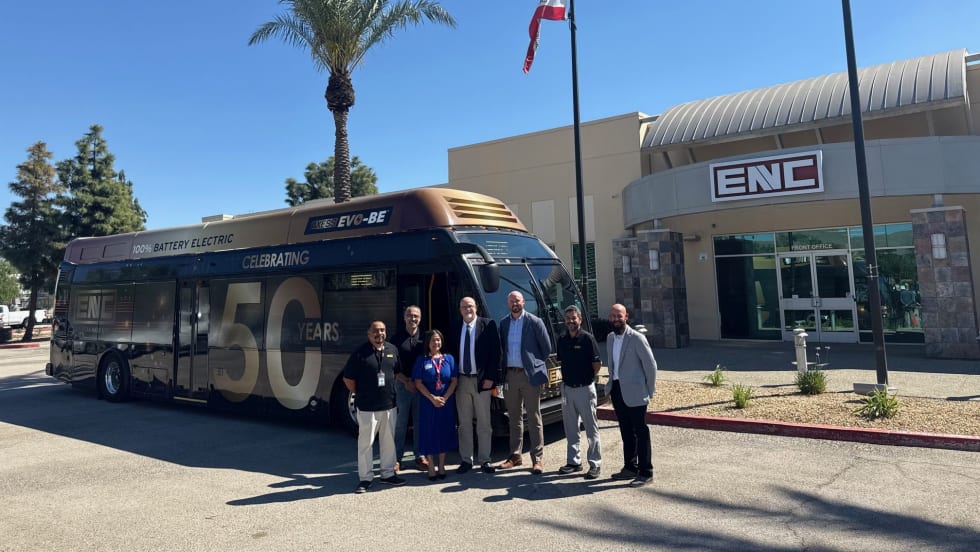
NFI Parts represents the OEM product lines of New Flyer and MCI, distribution of the Setra brand, and the prior acquisitions of NABI and the Orion parts business.
New Flyer Industries Inc. (NFI) announced a new brand within its portfolio — NFI Parts™. As previously announced in December of 2016, NFI Group is currently combining the parts operations of the New Flyer and MCI businesses.
As NFI Group has grown and acquired various Original Equipment Manufacturers (OEMs) aftersales support has grown with it. Today, all of the parts sales and support for these OEM products will be supported under a single brand — NFI Parts. This new brand represents important activities associated with supporting the OEM products (buses and coaches), including part sales and support activities, technical publications, and training.
Ad Loading...
"Our goal in combining these businesses is to make it easy for customers to do business with us," said NFI Parts President Brian Dewsnup. "Together, we have a more comprehensive parts offering, a larger distribution network, strong partnerships with a broader supply base, and the opportunity to share technologies and best practices. We are working to optimize our ability to deliver the right parts, at the right price, to the right place, at the right time."
Integration of New Flyer Parts and MCI Parts will continue over the coming months emerging as NFI Parts with a focus on improved parts availability and shipping, as the distribution networks are combined. Additionally, in 2018, customers can expect to see improvements in the options they have to transact with NFI Parts, incorporating new e-commerce tools and enhancements to the current webstore located through www.nfi.parts.
While the combined businesses have been rebranded NFI Parts, this announcement does not impact customers or suppliers with changes to their primary contacts or transactional processes. All system-related activities will remain as they are today.
NFI Parts represents the OEM product lines of New Flyer and MCI, distribution of the Setra brand, and the prior acquisitions of NABI and the Orion parts business. NFI Parts brings together over 85 years of parts experience and now supports a combined fleet of 72,000 active transit buses and motorcoaches. NFI Parts has grown to serve over 17,000 customers from 15 parts distribution centers throughout North America.
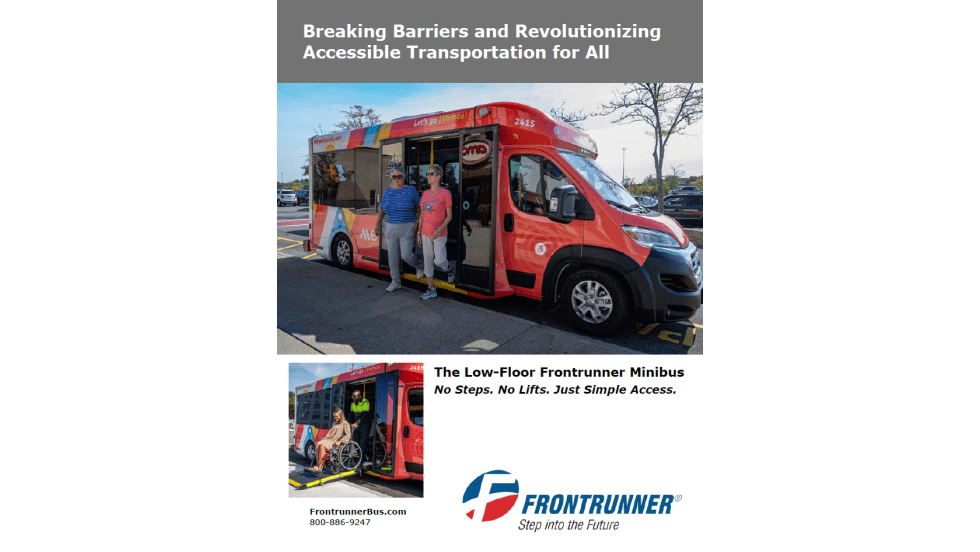
Accessible transit isn’t a feature—it’s a responsibility. This whitepaper explores how the Low-Floor Frontrunner is redefining mobility with a breakthrough design that removes barriers, empowers riders, and delivers measurable operational advantages for agencies. Discover why this next generation minibus is setting a new standard for inclusive transportation.
SEPTA was awarded $43 million in competitive grant funding from the FTA's FY25 Low and No Emission and Bus and Bus Facilities grant programs to support this procurement.
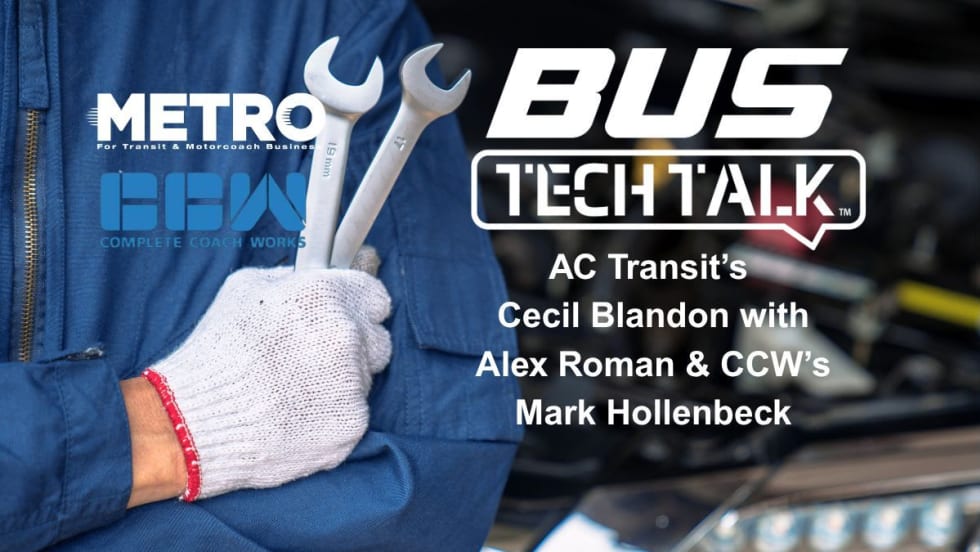
In part 1 of a two-part conversation, AC Transit’s director of maintenance joins co-hosts Alex Roman and Mark Hollenbeck to discuss his journey from the U.S. Marines to public transit and the role mentorship plays in developing the next generation of industry leaders.
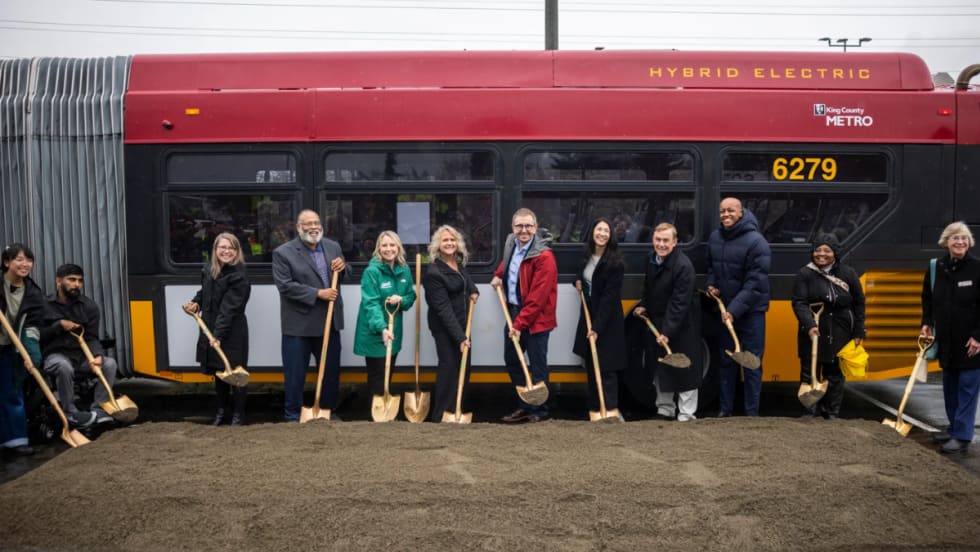
When construction is complete, battery-electric buses will operate from the Arborway facility on Day One, providing cleaner, quieter, and more reliable service for riders, the MBTA said. After completion, the old facility will be demolished, and the land will be made available for redevelopment.
Nadine S. Lee, who has served as president/CEO since July 2021, said the decision comes after careful reflection on the agency’s progress and its path forward.
In this conversation, TBC’s Executive Director Ed Redfern, President Corey Aldridge, and Washington Representative Joel Rubin outline the coalition’s key policy priorities, the challenges facing transit agencies, and how industry stakeholders can work together to strengthen the voice of bus transit at the federal level.
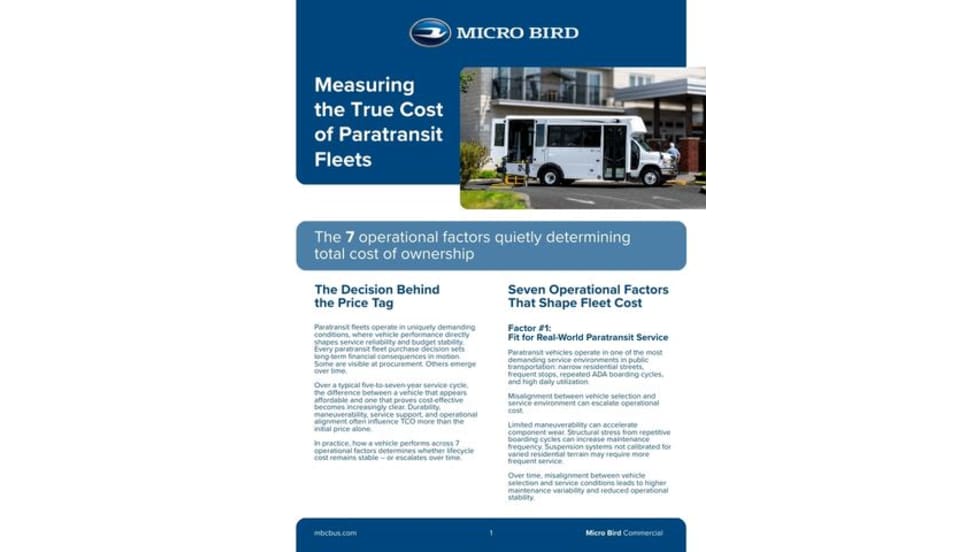
What truly drives the cost of a paratransit fleet? Beyond the purchase price, seven operational factors quietly determine maintenance frequency, downtime, and long-term service reliability. This whitepaper explores how these factors shape lifecycle cost and what agencies should evaluate when selecting paratransit vehicles.
In this conversation, TBC’s Executive Director Ed Redfern, President Corey Aldridge, and Washington Representative Joel Rubin outline the coalition’s key policy priorities, the challenges facing transit agencies, and how industry stakeholders can work together to strengthen the voice of bus transit at the federal level.