



MBTA Confirms Funding for Upgraded Arborway Bus Facility
When construction is complete, battery-electric buses will operate from the Arborway facility on Day One, providing cleaner, quieter, and more reliable service for riders, the MBTA said. After completion, the old facility will be demolished, and the land will be made available for redevelopment.

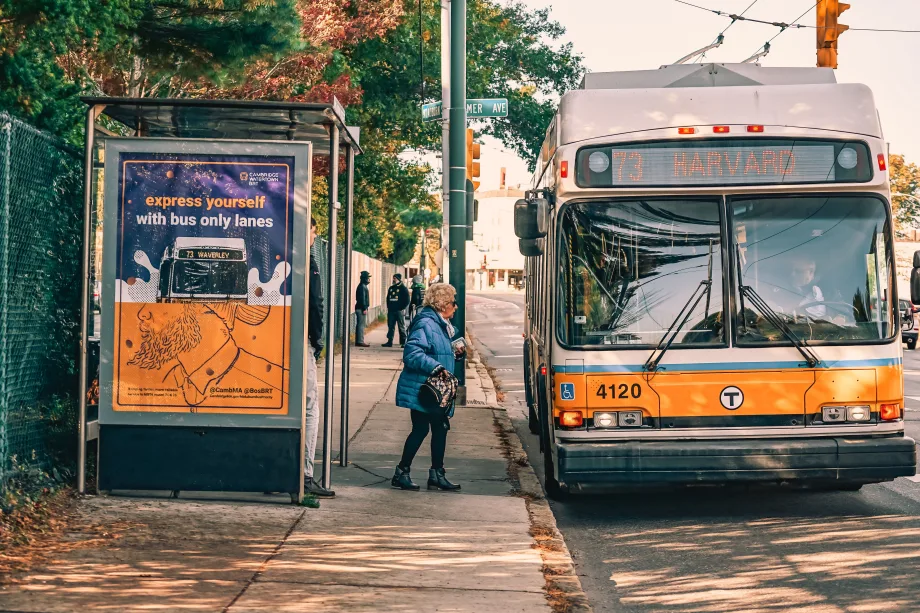
Through $371.5 million in funding from the Commonwealth Transportation Fund, the upgraded, larger Arborway facility will be 100% ready for BEBs, accommodating a mix of BEBs and hybrid buses on Day One of completion.
Boston BRT
- The Arborway facility will begin operating battery-electric buses upon completion, enhancing service for MBTA riders.
- The new facility is expected to provide cleaner, quieter, and more reliable public transportation.
- Post-construction, the old facility will be demolished, and the land will be redeveloped.
*Summarized by AI
Boston’s MBTA announced that the proposed Fiscal Years 2027 – 2031 MBTA Capital Investment Plan (FY27 – 31 MBTA CIP) released will fully fund the remaining design and construction costs of the redesigned Arborway Bus Maintenance Facility.
When construction is complete, battery-electric buses (BEBs) will operate from the Arborway facility on Day One, providing cleaner, quieter, and more reliable service for riders, the MBTA said. After completion, the old facility will be demolished, and the land will be made available for redevelopment.
“We’re enhancing bus service every way we can to win back riders, from increasing service beyond pre-pandemic levels, to efficiently and accessibly operating dedicated bus lanes through Automated Camera Enforcement, to continued investments in our frontline workforce and so much more,” said Interim Secretary of Transportation and MBTA GM Phillip Eng. “We are laser-focused on making the MBTA bus network a system that the public can rely on today and for generations.”
MBTA’s Funding Plan
Through $371.5 million in funding from the Commonwealth Transportation Fund, the upgraded, larger Arborway facility will be 100% ready for BEBs, accommodating a mix of BEBs and hybrid buses on Day One of completion.
The MBTA said it is committed to delivering safe, reliable, and improved service to make transit not only viable but the preferred mode of travel. The agency said it is monitoring and engaging with the bus manufacturing industry, and Arborway will initially support both BEBs and hybrid buses to ensure service levels are not only maintained but also improved and enhanced going forward.
The agency added that it remains committed to phasing more BEBs into service from the Arborway facility as we work with the industry toward this endeavor.
The Arborway Facility
The future Arborway facility will be located next to the current facility at Washington Street and Arborway in Boston, near Forest Hills station. Once construction is completed, the old Arborway facility will be demolished, and the area will be available for redevelopment.
Today, the Arborway garage maintains buses serving routes in Roxbury, Dorchester, Mattapan, Hyde Park, Roslindale, Jamaica Plain, and areas southwest of Boston. The new, larger facility will support even more buses serving additional routes in the region, providing better, more frequent, and more reliable bus service for current and future generations of riders.
Upgrading Arborway and the MBTA’s other bus maintenance facilities is one of the MBTA’s many current efforts to support increased bus service throughout the region:
- BEBs will start to operate this summer from the North Cambridge bus facility. North Cambridge serviced the MBTA’s now-retired fleet of electric trolleybuses, which were the oldest buses in our system. The system-wide transition to BEBs will allow the North Cambridge facility to maintain the same buses as the rest of the fleet, reducing operating costs and improving operating efficiency and reliability.
- The new Quincy bus facility is on track for completion in Summer 2027. As the oldest facility in our system, the existing Quincy facility lacks the required technology and space to support newer buses. Because only older buses can run from this garage, Quincy routes experience limited service frequency and more reliability issues. The new facility being constructed is 100% BEB-ready and will accommodate a larger, more modern fleet that includes BEBs, enabling future service expansion while reducing our environmental impact.
- Chargers have been installed at the Cabot and Charlestown facilities to operate test service for new BEBs as they're received ahead of BEB-ready garages opening.
- As previously announced, bus service will be restored beyond pre-COVID levels beginning April 5 as part of spring service changes and in keeping with the MBTA’s commitment to improving overall bus service through incremental operational changes. This season, 37 bus routes across the system will see service increases, and two routes will be upgraded to operate every 15 minutes or better.
- The MBTA’s goal is to provide more options for transit-dependent riders and encourage riders back to bus service through targeted service enhancements that best serve riders where they are. The MBTA has seen a 20% year-over-year ridership boost on bus routes that received improvements in December 2024 as part of Phase 1 of the Bus Network Redesign, and looks forward to welcoming even more riders through the upcoming spring enhancements.
- The upcoming Automated Camera Enforcement Program aims to improve the frequency and accessibility of bus service by discouraging drivers from blocking bus lanes and bus stops. Keeping buses moving makes roads safer for everyone. Blocked bus stops create safety and accessibility issues, as riders may need to board or exit in the street, and riders using mobility aids may not be able to board or exit the bus at all. Blocked bus lanes delay service and reduce reliability. As outlined in a January 2025 state law, the MBTA will install camera systems on buses to ticket cars standing or parked illegally in bus lanes or in front of bus stops.
- The MBTA continues to reduce the number of “dropped” bus trips through major bus operator hiring and training efforts and record labor agreements, boosting its ranks of bus operators to improve service for riders. This improvement is also due in large part to the coordination, planning, and analysis work by the MBTA’s Service Planning, Bus Operations, and Operations Analytics teams to accurately predict resource needs and make data-driven decisions in advance and in the moment.
Quick Answers
Battery-electric buses will operate from the Arborway facility once construction is completed.
*Summarized by AI
More Bus

More Than a Summer Job: Building the Next Generation of Transit Talent
The Delaware River Port Authority and PATCO have transformed their internship program into a hands-on professional development experience that introduces students to the breadth of transportation careers — and creates a pipeline for future employees.
Read More →
LA Metro Board Awards 220 Battery-Electric Bus Contract to ENC
The contract, which is the largest base award of battery-electric buses by a U.S. transit agency, will be built in Southern California, sustaining good jobs as LA prepares to welcome the world in 2028
Read More →
Public Transit Conference Returning to GFX in 2027, Call for Papers Now Open
The Call for Papers is now open, allowing transit agency professionals and industry experts to help shape the PTC educational program by submitting session ideas for consideration.
Read More →
Indian River Transit’s Community-Focused Approach Earns National Recognition
Named APTA’s 2026 Outstanding Public Transportation System in its size category, Florida’s Indian River County transit system continues to grow ridership through fare-free service and a focus on evolving community needs.
Read More →
ENC Lands MATA Contract and More in Biz Briefs
In this edition of Biz Briefs, we spotlight the latest developments shaping the future of mobility.
Read More →
From Surviving to Thriving: Building Stronger Transportation Organizations
Bus Business Consultants founder Brian Dickson shares lessons on leadership, organizational health, and creating options for long-term success in a changing transportation industry.
Read More →
Everett Transit, Community Transit Outline Consolidation Agreement
The proposed agreement calls for a 50% increase in bus service in Everett, a new microtransit zone, continued paratransit service, and the transfer of Everett Transit operations to Community Transit.
Read More →
SEPTA Details Accelerate Vision for Transit System
The plan outlines investments in trolley modernization, new Metro and Regional Rail vehicles, accessible stations, and more frequent bus and rail service.
Read More →
Report: Transit Bus Manufacturing Supports 34,100 Jobs, $5.1B in GDP
The “Buses Mean Business” report examines the transit bus manufacturing industry’s economic footprint, supply chain, and rising demand for vehicle replacements.
Read More →
Biz Briefs: New Flyer Delivers in Columbus, Houston, Beep and Freebee Merge, and More
In this edition of Biz Briefs, we spotlight the latest developments shaping the future of mobility.
Read More →